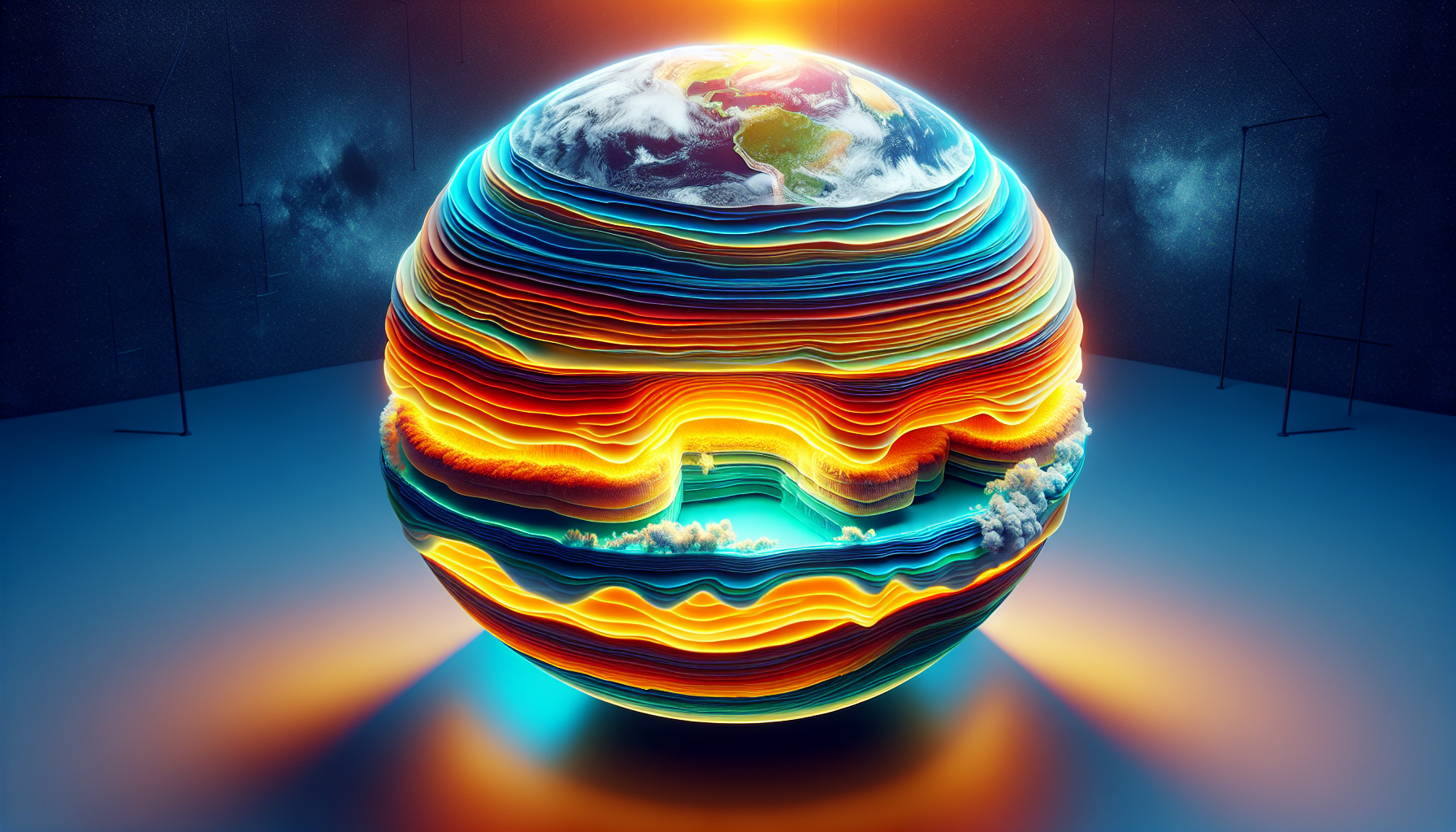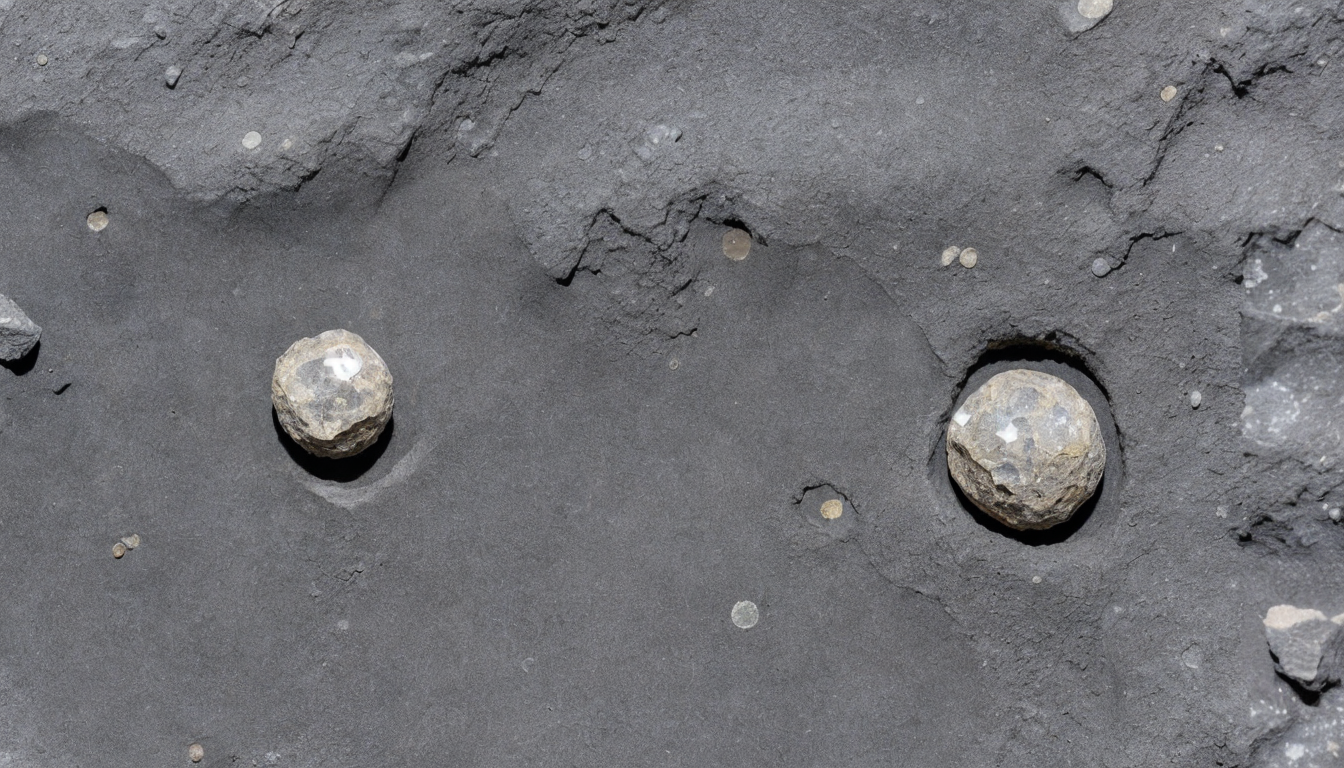
Asteroid vs Meteorite: Key Differences Explained
TL;DR:
- Asteroids are rocky objects that orbit the Sun in our solar system.
- Meteorites are fragments of asteroids or other celestial bodies that survive atmospheric entry and land on Earth's surface.
- Size and Composition: Asteroids can vary greatly in size, while meteorites tend to be smaller and more uniform in composition.
- Location: Asteroids primarily reside in the asteroid belt between Mars and Jupiter, whereas meteorites are found on Earth's surface after falling from space.
- Impact: Understanding these differences is crucial for planetary defense and resource exploration.
What Are Asteroids?
Definition and Characteristics
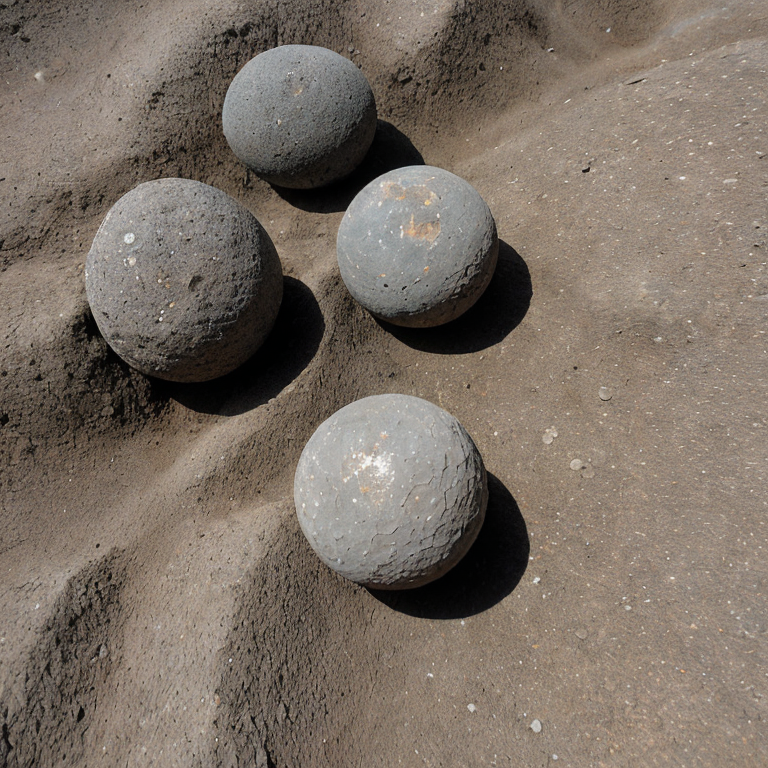
Asteroids are rocky bodies that orbit the Sun. They range in size from small boulders to objects hundreds of kilometers wide, with the largest known asteroid being 1 Ceres. These celestial bodies are primarily found in the asteroid belt between Mars and Jupiter, though some asteroids can be found in other areas of space.
Formation
Asteroids formed during the early stages of our solar system's development around 4.6 billion years ago. They were created from the same material that made up the planets but did not accrete into a planet due to gravitational influences and the chaotic nature of planetary formation.
What Are Meteorites?
Definition and Characteristics
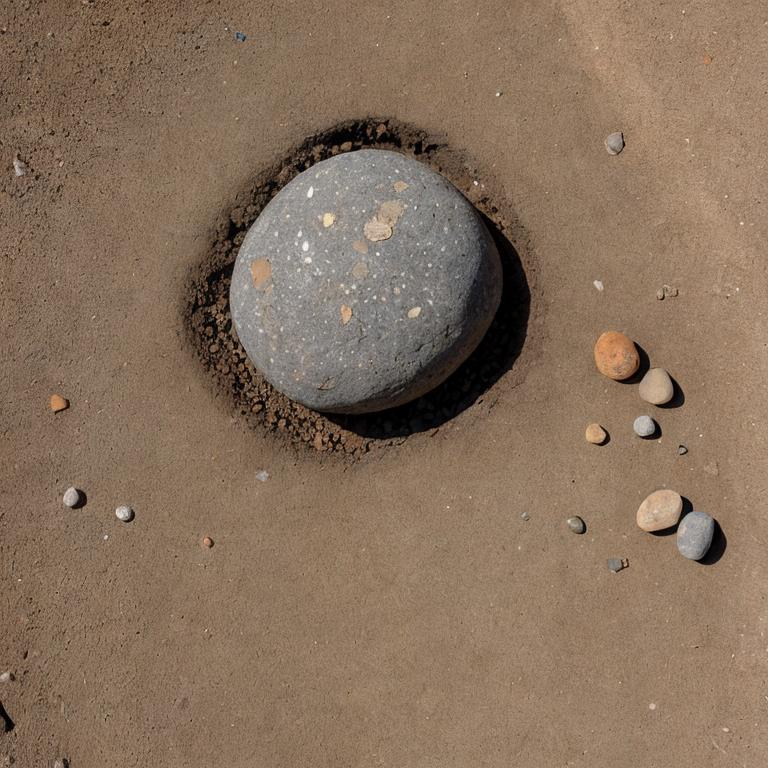
Meteorites are fragments of asteroids, comets, or other celestial bodies that survive passage through Earth's atmosphere. They reach the surface as meteoroids—smaller objects in space—and become visible as meteors when they heat up due to friction with the air. The surviving pieces that land on Earth are called meteorites.
Composition
Meteorites can be categorized into three main types based on their composition: stony (predominantly composed of silicate minerals), iron (mainly made of nickel-iron alloy), and stony-iron, which is a mix of both stone and metal. Each type has unique characteristics that help scientists understand the conditions under which they formed.
Historical Context
Discovery and Early Research
The first known recorded fall of a meteorite was in 1492 in El Nazerín, Spain, where a meteorite was found after an observed fireball. However, it wasn't until the early 1800s that scientists began to systematically study meteorites. The discovery of the asteroid belt by Giuseppe Piazzi in 1801 marked the beginning of serious astronomical research into these space rocks.
Modern Studies
In recent decades, advancements in technology have allowed for more detailed analysis and tracking of asteroids and meteorites. Space missions like NASA's OSIRIS-REx and JAXA’s Hayabusa2 have provided valuable data on asteroid composition and structure, enhancing our understanding of their origins and properties.
Etymology
Asteroid
The term "asteroid" comes from the Greek words "astron," meaning star, and "eidos," meaning resemblance. It was coined in 1802 by the German mathematician Carl Friedrich Gauss to describe Ceres, which he originally classified as a planet but later reclassified due to its small size compared to other planets.
Meteorite
The word "meteorite" is derived from the Greek word "meteōros," meaning "high in the air." This term was first used by Danish naturalist Hans Sloane in 1734 to describe objects that fall from the sky. Over time, it became specifically associated with extraterrestrial rocks found on Earth.
Cultural Significance
Pop Culture
Asteroids and meteorites have captured public imagination through various media representations, such as movies depicting catastrophic asteroid impacts (e.g., "Armageddon," "Deep Impact"), and documentaries exploring the potential threats posed by near-Earth objects (NEOs).
Scientific Research
The study of asteroids and meteorites is crucial for understanding the history and evolution of our solar system. Scientists use these space rocks to gain insights into the formation of planets, the conditions in the early solar system, and even the origins of life on Earth.
Misconceptions
Common Misunderstandings
One common misconception is that all asteroids are dangerous or pose an immediate threat to Earth. While some NEOs do require monitoring due to their potential for impact, most asteroids are harmless and provide valuable scientific data.
Another misunderstanding is the belief that meteorites contain precious metals like gold and diamonds. Most meteorites are composed of iron-nickel alloy or silicate materials with no significant economic value in terms of these rare minerals.
Clarifications
It's important to clarify that while meteorites can be scientifically valuable, they do not typically yield commercially viable amounts of precious metals. Additionally, the vast majority of asteroids pose no immediate danger and are instead sources of knowledge about our solar system’s past and present state.
Conclusion
Understanding the differences between asteroids and meteorites is essential for both scientific research and planetary defense strategies. Asteroids represent a variety of rocky bodies orbiting the Sun, while meteorites are fragments from these celestial objects that have landed on Earth after surviving atmospheric entry. By studying these space rocks, scientists gain critical insights into the history and composition of our solar system, contributing to advancements in astronomy and space exploration.