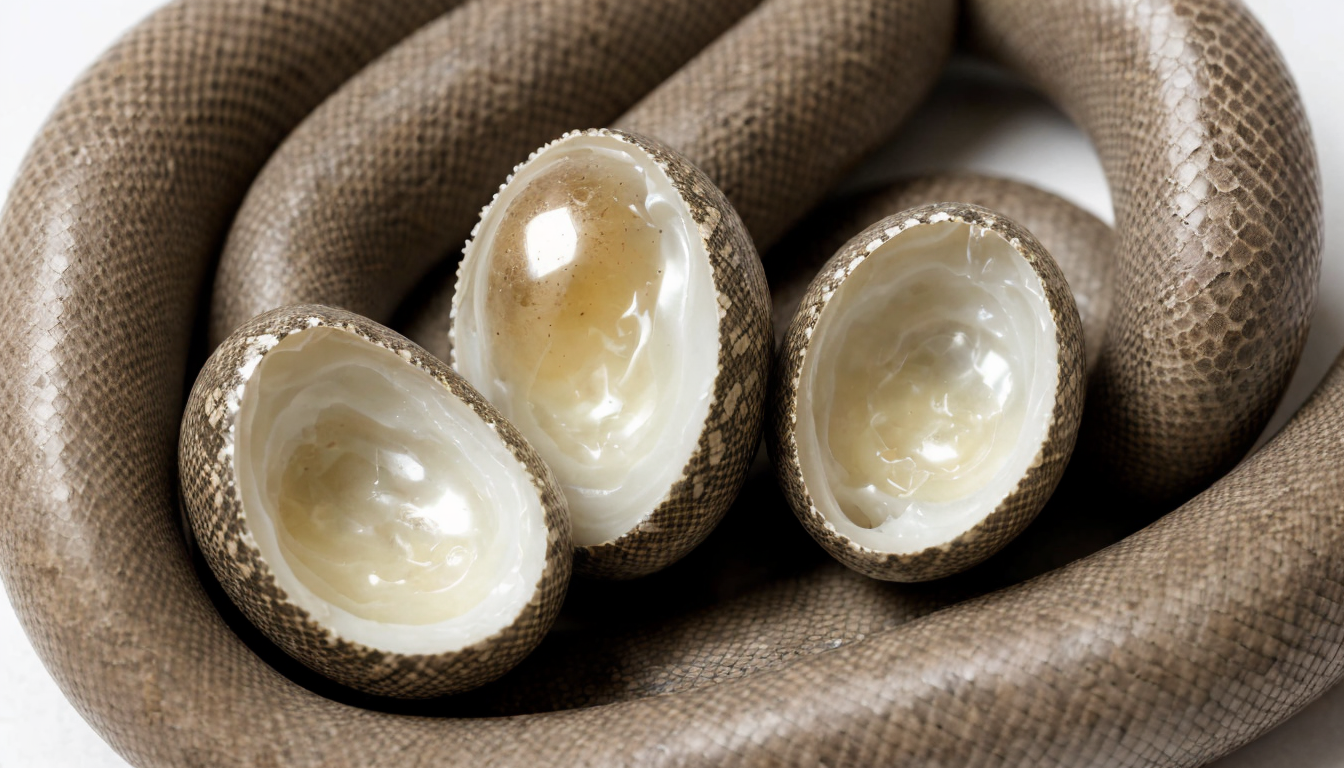
Why Do Snakes Devour Their Own Eggs? Unraveling a Curious Habit
Snakes eating their own eggs is an unusual and perplexing behavior that has puzzled biologists for decades. This practice, known as oophagy, can occur during various stages of snake life cycles, from courtship to hatching. Understanding why snakes engage in this activity involves examining the biological, ecological, and evolutionary factors at play.
TL;DR
- Snakes may eat their eggs due to nutritional needs or stress.
- Oophagy can be a survival tactic when food is scarce.
- Certain snake species exhibit egg consumption as part of mating rituals.
- Environmental conditions like temperature fluctuations can trigger this behavior.
- Biologists study oophagy to better understand snake ecology and behavior.
The Science Behind Snake Egg Consumption
Oophagy, the act of consuming eggs, is a behavior that has been observed in various reptile species. In snakes, egg consumption can serve multiple purposes depending on the context and the specific species involved. This section explores the biological mechanisms driving this unusual habit.
Nutritional Needs and Stress Factors
Snakes require a balanced diet rich in proteins and fats to sustain their metabolic processes. During times of nutritional stress or when food is scarce, snakes may resort to consuming eggs as an alternative source of nutrients. Egg whites are high in protein, while yolks provide essential fatty acids and vitamins.
In addition to nutritional deficiencies, psychological stress can also lead to oophagy. For example, captivity-induced stress from overcrowding or inadequate environmental conditions can cause snakes to engage in self-destructive behaviors like eating their eggs.
Survival Tactic During Scarcity
When food resources are limited, particularly during the breeding season when energy demands peak, some snake species may resort to cannibalistic practices such as oophagy. This behavior ensures that surviving offspring have better chances of survival by reducing competition for limited food supplies.
For example, in certain desert-dwelling snake populations where prey availability fluctuates greatly throughout the year, eating eggs can be a way to bridge nutritional gaps during lean periods.
Historical and Ethological Perspectives
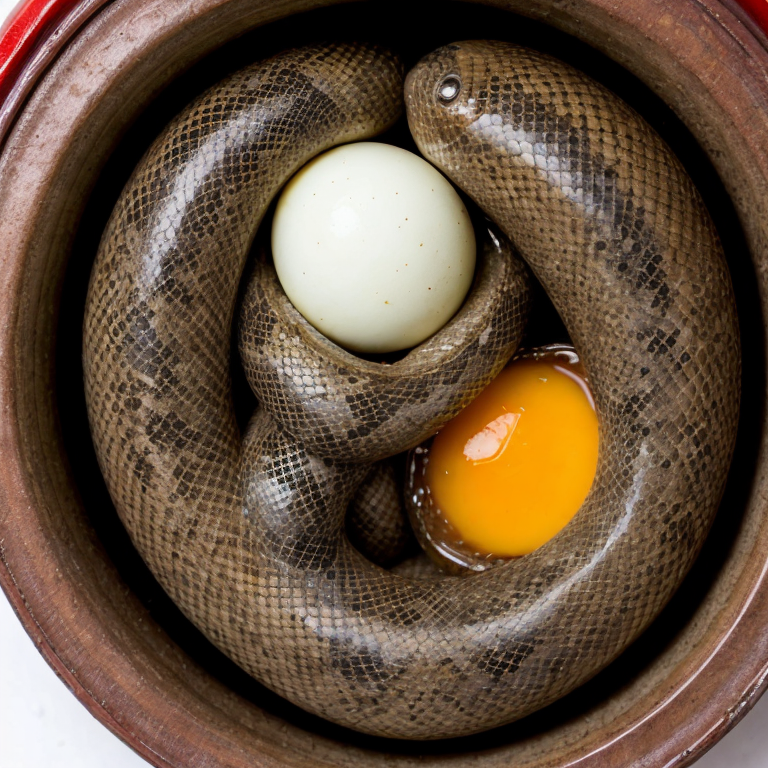
The observation and documentation of oophagy in snakes have been documented over centuries by naturalists and biologists. This section delves into how scientists have studied this behavior and what they've learned about its ecological significance.
Early Observations and Scientific Inquiry
Early accounts of snake egg consumption date back to the 19th century when explorers and natural historians noted unusual behaviors among reptiles in various habitats around the world. These early observations laid the groundwork for later scientific investigations into why snakes engage in this behavior.
Over time, as more sophisticated methods were developed for studying animal behavior, researchers began to conduct controlled experiments that shed light on the underlying causes of oophagy. These studies often focused on understanding how environmental factors influence snake diets and reproductive strategies.
Mating Rituals and Courtship Displays
In some species, egg consumption can serve a purpose beyond mere survival or nutrition—it may also play a role in mating rituals and courtship displays. For example, male snakes of certain species might consume eggs left behind by females to signal their readiness for breeding or dominance over territory.
This behavior is thought to be linked with hormonal changes that occur during the mating season, which can trigger aggressive behaviors including egg consumption as a form of territorial display.
Cultural and Societal Implications
While oophagy is primarily an ecological phenomenon studied in scientific circles, it also has cultural significance in some societies. This section examines how different cultures have interpreted this behavior over time.
Symbolism and Folklore
In many cultures, snakes are associated with various mythological tales and symbolic meanings. For instance, in certain Native American traditions, snakes represent transformation and renewal; consuming eggs might be seen as part of a cycle involving birth and rebirth.
Similarly, folklore from other parts of the world often attributes mystical or supernatural qualities to snake behaviors like oophagy, which can contribute to misconceptions about these animals' true nature.
Media Portrayals and Public Perception
Modern media portrayals of snakes frequently emphasize their more dramatic traits, sometimes including instances of egg consumption. While such depictions help raise awareness about lesser-known aspects of reptile biology, they can also perpetuate stereotypes that overlook the ecological context behind oophagy.
Public perception shaped by these narratives might view snake behaviors like eating eggs as inherently aggressive or predatory without understanding the broader biological and environmental factors at play.
Common Misconceptions About Snake Egg Consumption
Despite growing scientific knowledge about why snakes eat their eggs, several misconceptions persist in both popular culture and among some segments of the wildlife enthusiast community. This section addresses these misunderstandings to provide a clearer picture of oophagy's ecological role.
Snakes Are Not Predators of Their Own Species
One common misconception is that snakes engage in cannibalism more broadly than just eating eggs. While it’s true that certain snake species do prey upon conspecifics, this behavior is distinct from egg consumption and reflects different evolutionary pressures related to competition for resources.
Oophagy Is Not Universal Among Snakes
Another widespread belief is that all or most snakes exhibit egg-eating behaviors at some point in their lives. In reality, while oophagy has been observed across many reptilian lineages, its prevalence varies widely between snake species based on habitat, diet, and reproductive strategies.
Stress Does Not Always Lead to Oophagy
While stress can induce abnormal eating patterns including oophagy, not every stressed snake will engage in this behavior. The presence of other coping mechanisms such as hiding or reduced activity levels indicates that snakes have evolved various responses to cope with environmental pressures beyond just altering their diets.
Conclusion: Understanding the Ecological Role of Oophagy
In conclusion, while snake egg consumption remains a relatively rare and complex phenomenon, it plays an important role in shaping our understanding of reptile ecology and behavior. By examining both the biological necessities driving oophagy and its cultural significance, we gain valuable insights into how these creatures adapt to their environments.
Future research should continue to explore the genetic and environmental factors influencing this behavior across different snake populations worldwide. Ultimately, broadening our knowledge about why snakes engage in such unusual practices not only enriches our appreciation for wildlife but also underscores the intricate web of interactions within ecosystems.