Understanding Why Tides Occur: The Science Explained
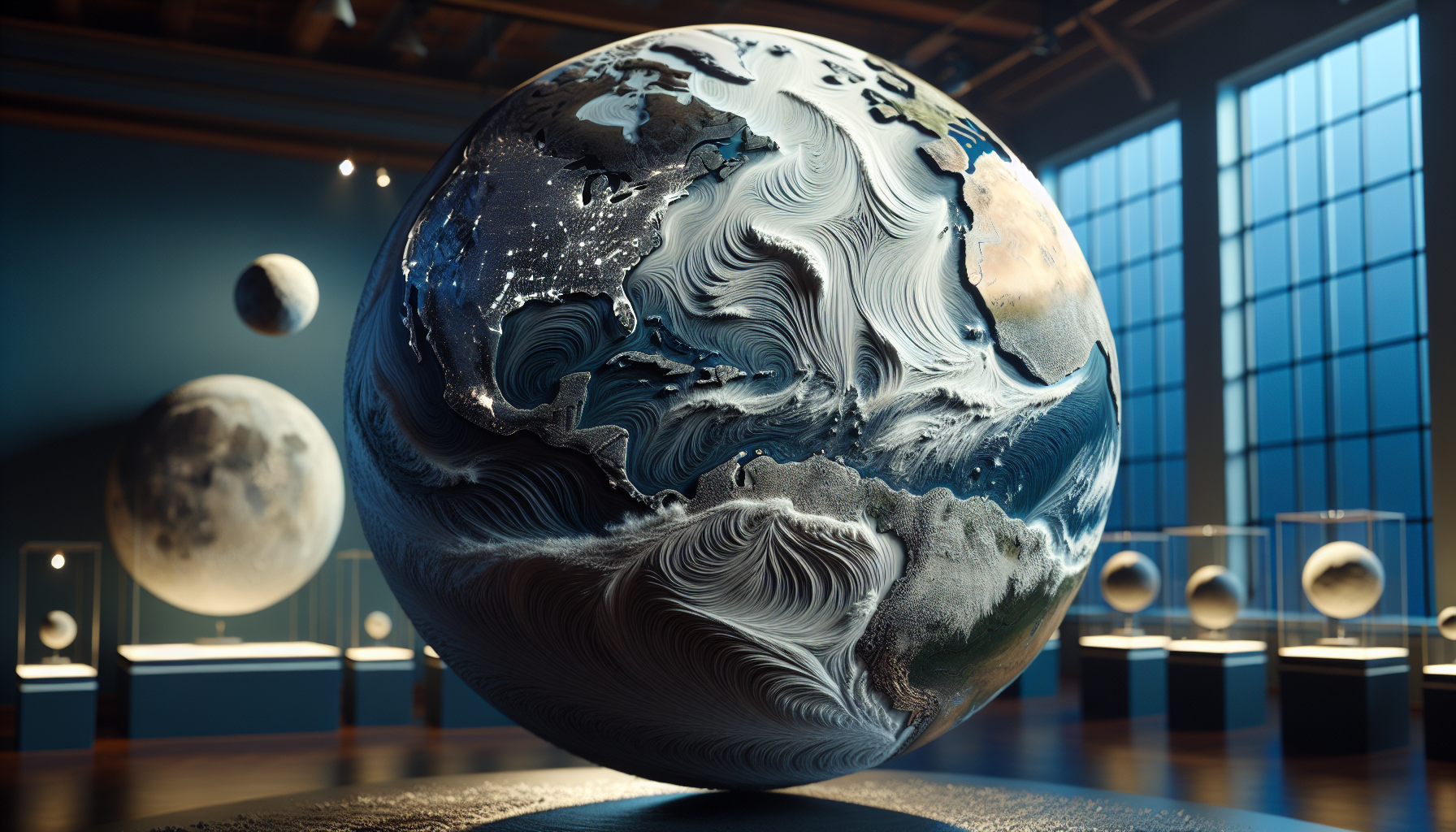
Tides are a fascinating natural phenomenon, characterized by the rise and fall of sea levels caused by the gravitational forces exerted by the moon and the sun, combined with the rotation of Earth. This complex interplay results in periodic changes in the height of the ocean's surface at any given place, significantly affecting marine and coastal environments.
TL;DR
- Tides are caused primarily by the gravitational pull of the moon and the sun on Earth's oceans.
- The position and alignment of the moon and sun relative to Earth influence the magnitude and type of tides.
- There are two main types of tides: spring tides and neap tides, determined by the moon's phases.
- Tidal patterns can vary significantly around the world due to geographical differences and oceanic depths.
- Tides have important implications for marine ecosystems and human activities along coastlines.
- Understanding tides is crucial for navigation, coastal management, and the development of marine resources.
The Science Behind Tides
Gravitational Forces and Tidal Interactions
The primary cause of tides is the gravitational attraction exerted by the moon and, to a lesser extent, the sun. While the sun is much larger than the moon, it is also significantly farther away, which makes the moon's gravitational pull the dominant force in creating tides.
Lunar Influence on Tides
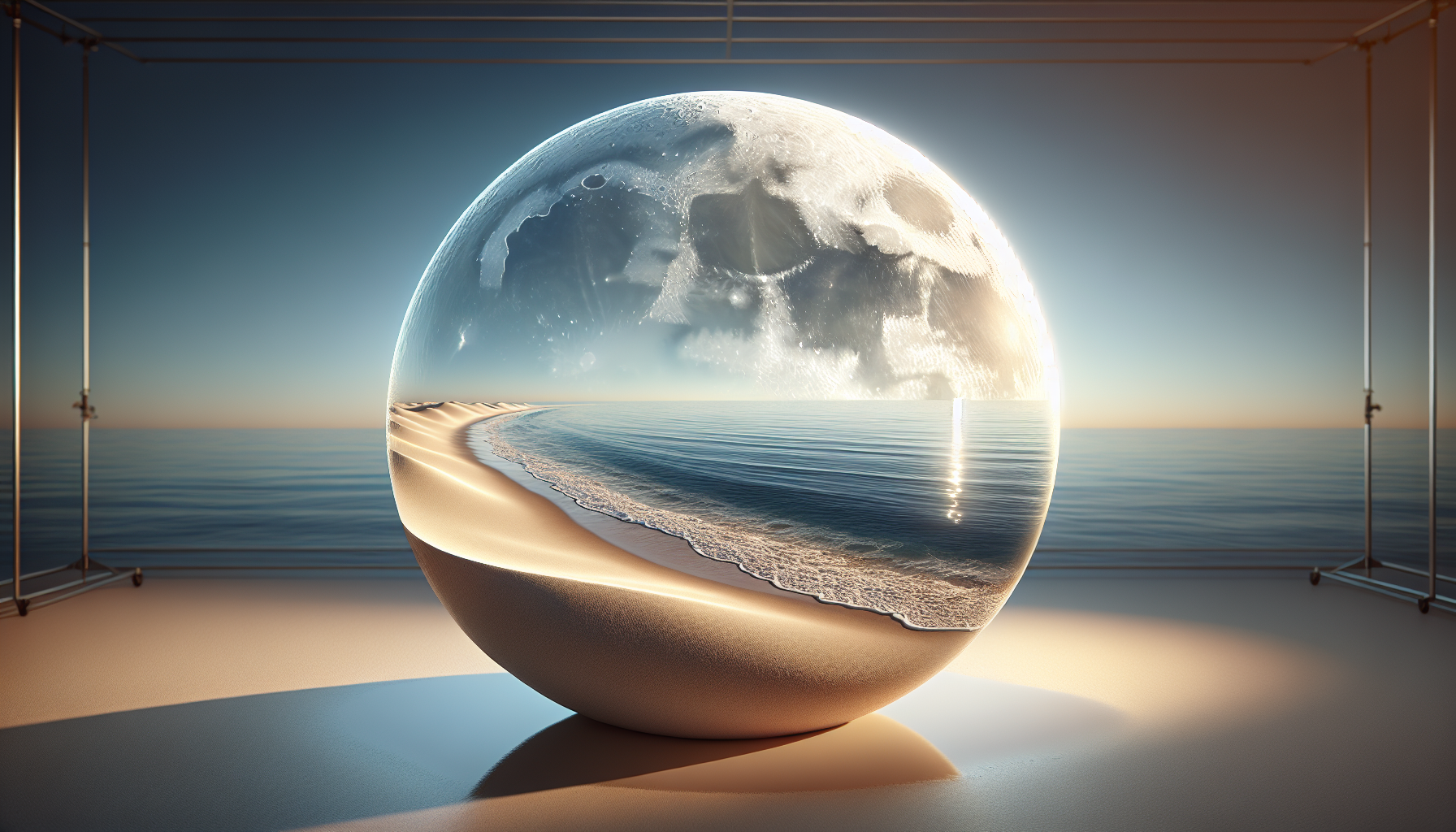
The moon's gravity pulls on Earth's water, creating a bulge or high tide in the water surface closest to the moon. Simultaneously, on the opposite side of Earth, another high tide occurs due to the centrifugal force created by Earth's rotation. The areas between these bulges experience lower water levels, known as low tides.
Solar Influence on Tides
When the sun, moon, and Earth align (during new and full moons), the solar and lunar tides reinforce each other, leading to spring tides, which are higher than average. Conversely, when the sun and moon are at right angles relative to Earth (during the first and last quarters of the moon), their respective gravitational forces partially cancel out, resulting in neap tides, which are lower than average.
Tidal Patterns and Variations
The type and range of tides can vary widely depending on the location. This variation is influenced by factors such as the topography of the coastline, the depth of the water, and the distance from the open ocean.
- Semi-diurnal Tides: Two high tides and two low tides each day.
- Diurnal Tides: One high tide and one low tide each day.
- Mixed Tides: A combination of two high and two low tides of different sizes in a day.
Historical Understanding of Tides
Ancient Observations and Theories
Historically, many cultures recognized the regular pattern of tides and linked them to lunar phases. However, it was not until Isaac Newton's formulation of the law of universal gravitation in the 17th century that a scientific explanation for tides was established.
Development of Tidal Science
Since Newton, further advancements have been made in understanding tidal dynamics. The advent of sophisticated computational models and satellite measurements in the 20th and 21st centuries has enhanced our ability to predict tides with great accuracy, crucial for navigation and coastal planning.
The Role of the Sun and Moon
Interactions and Alignments
The relative positions of the sun, moon, and Earth play a critical role in the complexity of tidal patterns observed on Earth. The gravitational pulls of these celestial bodies on Earth's waters are the driving forces behind the tidal phenomena.
Effects on Marine and Coastal Environments
Tides influence a range of marine and coastal processes, including the breeding cycles of many marine organisms, the formation of tidal marshes, and the erosion of coastlines.
Tidal Energy and Resources
Harnessing tidal energy as a renewable resource has been an area of growing interest. Tidal energy systems utilize the kinetic and potential energy of tides to generate electricity, offering a predictable and environmentally friendly alternative to fossil fuels.
Environmental Impact of Tides
Tides play a crucial role in the natural cleansing of coastlines and estuaries, aiding in the dispersal and mixing of nutrients and pollutants. However, human-induced changes to coastal areas can alter tidal flows, potentially leading to environmental degradation.
Misconceptions About Tides
The Moon's Sole Influence
A common misconception is that the moon alone causes tides. While the moon's gravitational pull is the dominant force, the sun also significantly influences tides.
Tidal Wave Misnomer
The term "tidal wave" is often incorrectly used to describe a tsunami. In reality, tsunamis are caused by undersea earthquakes and have no direct connection with the astronomical tides.
Conclusion
Tides are a complex and dynamic feature of Earth's oceans, driven by the gravitational forces of the moon and sun and the rotation of Earth. They play a vital role in shaping coastal and marine environments and have significant implications for human activities. Understanding the mechanisms and effects of tides not only enriches our knowledge of Earth's natural systems but also aids in effective coastal management and the exploration of renewable energy sources. As we continue to study and learn from these natural phenomena, our ability to coexist with and harness the power of tides will enhance, benefiting both our civilization and the marine environments that are so deeply influenced by them.