Unveiling the Forces Behind High and Low Tides
Every day, along coastlines around the world, the ocean performs a rhythmic dance between high and low tides. This familiar cycle hides beneath its surface a complex interplay of forces prompted by celestial bodies and the very rotation of the Earth itself. But what if there’s more to the tides than meets the eye? What secrets are yet to be whispered by the pale moonlight that controls the seas?
TL;DR: Key Points on What Causes High and Low Tides
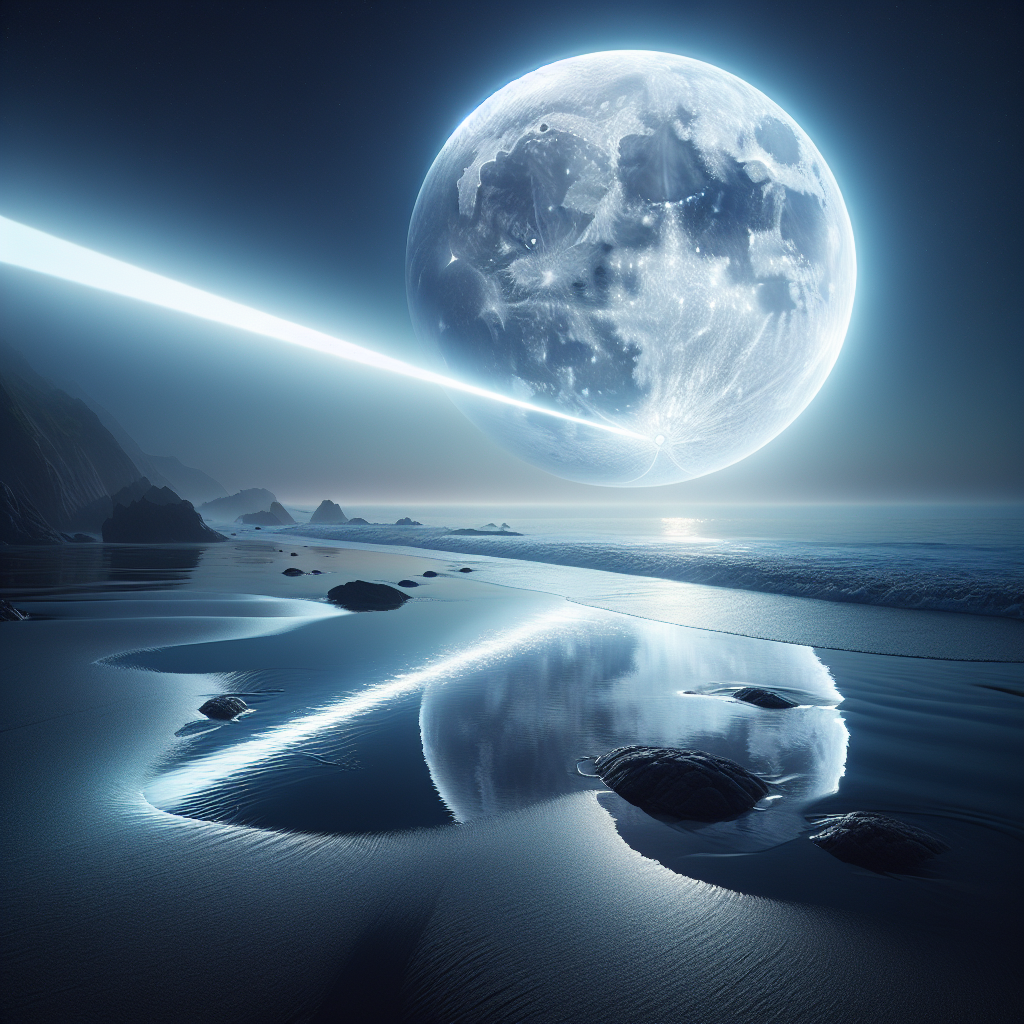
- The primary cause of tides is the gravitational pull of the moon and, to a lesser extent, the sun.
- Tides manifest in two main types: spring tides and neap tides, influenced by the alignment of the Earth, moon, and sun.
- Earth’s rotation also plays a crucial role in the timing and height of tides.
- Certain geographical features can amplify or diminish tidal effects in local areas.
- Lunar lore and astronomical observations have intertwined to give us a deeper, albeit eerie, understanding of tidal phenomena.
- Scientific research continues, exploring not only the mechanisms behind tides but their impact on climate and navigation.
The Gravitational Waltz: Moon, Sun, and Earth
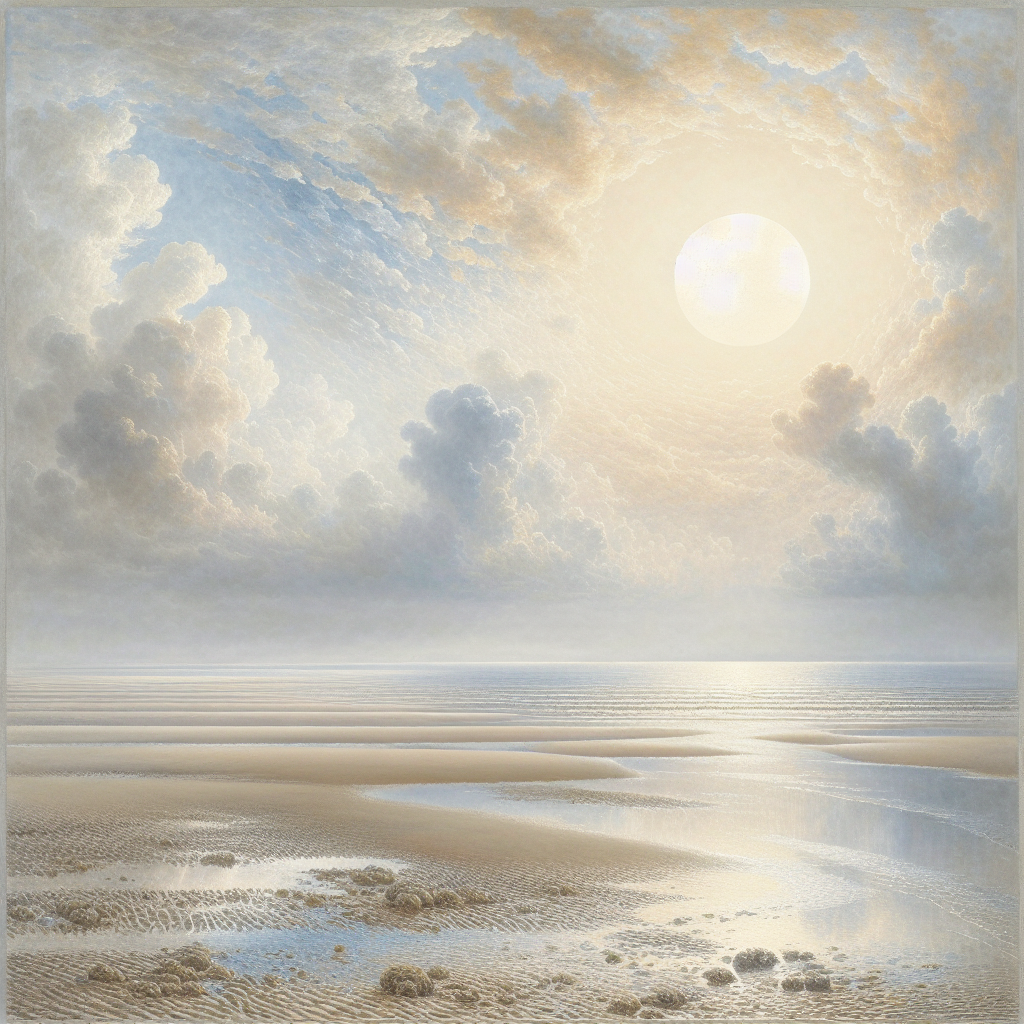
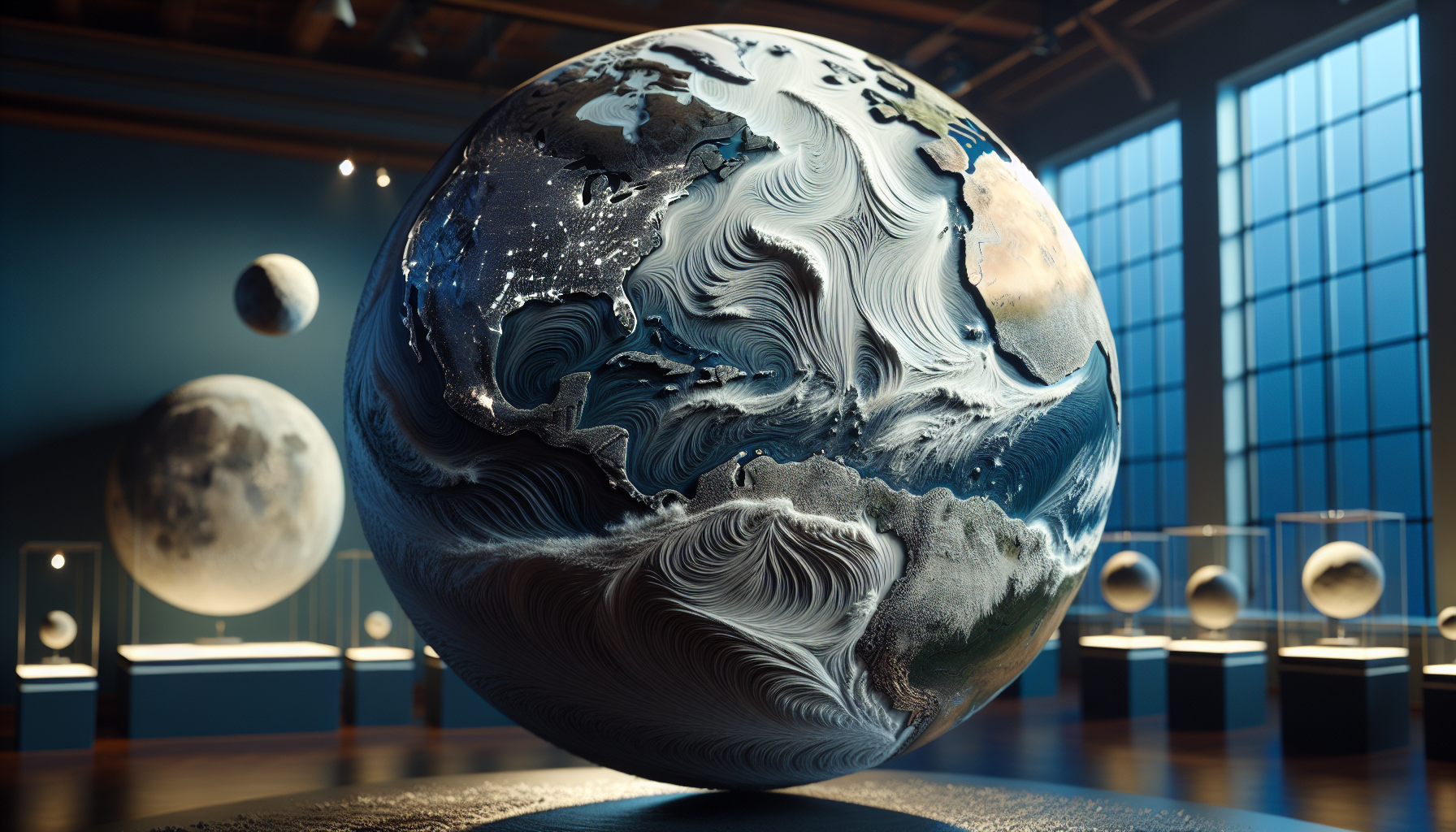
The most significant player in the tidal game is the moon. Its gravitational pull generates something known as tidal forces, which tug at our planet’s waters, causing them to bulge out in the direction of the moon. As the Earth rotates, different areas pass through these bulges, experiencing high tide.
The sun, though much larger, is further away, meaning its gravitational influence on tides is less — about half that of the moon. However, when the sun, moon, and Earth align during the new and full moons, their combined gravitational forces produce spring tides, resulting in higher high tides and lower low tides.
Lore Breadcrumb: The Choir’s Alignment
In the forgotten texts of The Ashen Gospel, it is written that "When the Choir of celestial bodies aligns, the hidden voices of the deep ascend in a silent crescendo." This alignment is eerily reminiscent of the astronomical events that lead to spring tides, hinting at an ancient understanding or perhaps a forewarning.
During quarter moons, when the sun and moon are at right angles to each other, we experience neap tides. These tides are characterized by the smallest difference between high and low tides.
Earth's Rotation and Its Tidal Dance

While the gravitational pull sets the stage, it's the Earth's rotation that orchestrates the timing and height of tides. As the Earth turns over 24 hours, any given point on the Earth's surface faces towards and away from the moon, experiencing two high tides and two low tides every day.
Geographical features such as the shape of coastlines, ocean basins, and the depth of the water can dramatically affect the height of tides. Places like the Bay of Fundy in Canada boast some of the highest tides on Earth due to the unique shape of the bay which amplifies the tidal effect.
Whispers from Hollow Pines
Near the quaint, isolated town of Hollow Pines, old-timers speak of days when the tides withdrew farther than ever seen before, revealing ancient, rune-covered stones at the ocean's edge. These stones, marked with the cryptic glyph ◬, are said to resonate with an unnerving hum during such extreme low tides. What secrets do these submerged markers hold?
Scientific Insights and the Ghosts of Tide
Research into tidal patterns not only aids in predicting ocean behavior but also assists in coastal management and navigation. Scientists utilize sophisticated technology to monitor tides and predict their impact on climate, marine life, and even human populations.
Reader Confession: The Archivist's Observations
"I've always been fascinated by the tides, by their relentless predictability. But ever since I stumbled across an old leather-bound copy of The Ashen Gospel in the attic of my coastal home, the high tides seem... different. There's a rhythm, almost a message, in the way the water rises and falls. As if the ocean itself is breathing."
Tides and Their Broader Impact
Tides influence a plethora of ecological and human activities. They shape ecosystems, such as estuaries and mangroves, which are critical for biodiversity. Tides also affect shipping routes and fishing schedules, making an understanding of their patterns crucial for maritime activities.
Lore Breadcrumb: Echoes of The Choir
In the ledger recovered from The Choir, there’s a missing page numbered 13, a mysterious absence often debated in hushed tones among the local historians of coastal regions. Could this missing piece hold the key to a deeper, more arcane understanding of tidal forces?
The Future Tide: Research and Monitoring
As sea levels rise due to climate change, understanding and predicting tides is more crucial than ever. Advanced satellite systems and oceanographic sensors continue to refine our knowledge of how tides work, ensuring that future generations are better equipped to handle the challenges posed by a changing environment.
Closing the Tide: An Open-Ended Whisper from the Sea
The dance between the Earth, moon, and sun continues, unperturbed by human concerns. Yet, as we delve deeper into the science of tides, we can't help but wonder if there are older, stranger forces at play. Each high tide brings with it the possibility of revealing something unexpected — something ancient or, perhaps, something that should have remained hidden.
Though the scientific analysis of tides brings clarity, the eerie coincidences in The Ashen Gospel and the unexplained phenomena near Hollow Pines suggest there are chapters in the book of nature that are not yet open to us. Whether these forces will reveal themselves lightly or come crashing in like a high spring tide remains to be seen. For now, we watch, we wait, and we listen to the tales the tides tell.