Unveiling the Mysteries: Why Do We Have Seasons?
Beneath the shifting veil of Earth's atmosphere, hidden in the labyrinth of celestial mechanics, lies a tale not merely of science, but of whispered secrets and ancient rites. As the Earth dances its year-long waltz around the Sun, we experience the ebb and flow of seasons—a performance choreographed by the cosmos itself. But could there be more, hidden in the shadows of this orbital ballet? Could these transitions also harbor quiet whispers from lost civilizations and enigmatic lore?
TL;DR: Key Points on Why We Have Seasons
- Earth's Tilt and Orbit: The primary reason we have seasons is due to Earth's axial tilt of about 23.5 degrees, affecting how sunlight hits the planet as it orbits the Sun.
- Solstices and Equinoxes: Seasons are marked by these celestial events; solstices bring the longest and shortest days, while equinoxes herald equal day and night.
- Climatic Changes: These variations in solar exposure lead to significant changes in weather and temperature from season to season.
- Cultural Impacts: Seasons have profound influences on agriculture, celebrations, and even mythical stories woven into the fabric of societies.
- The Mysterious Lore: Delve into how natural phenomena might intertwine with esoteric legends from The Pale Veil.
- Ongoing Enigma: The Choir, The Archivist, and the Thin Boy remain shadows cast long in the folklore of time, suggesting deeper meanings and unsolved mysteries tied to Earth's cycles.
The Science of the Seasons
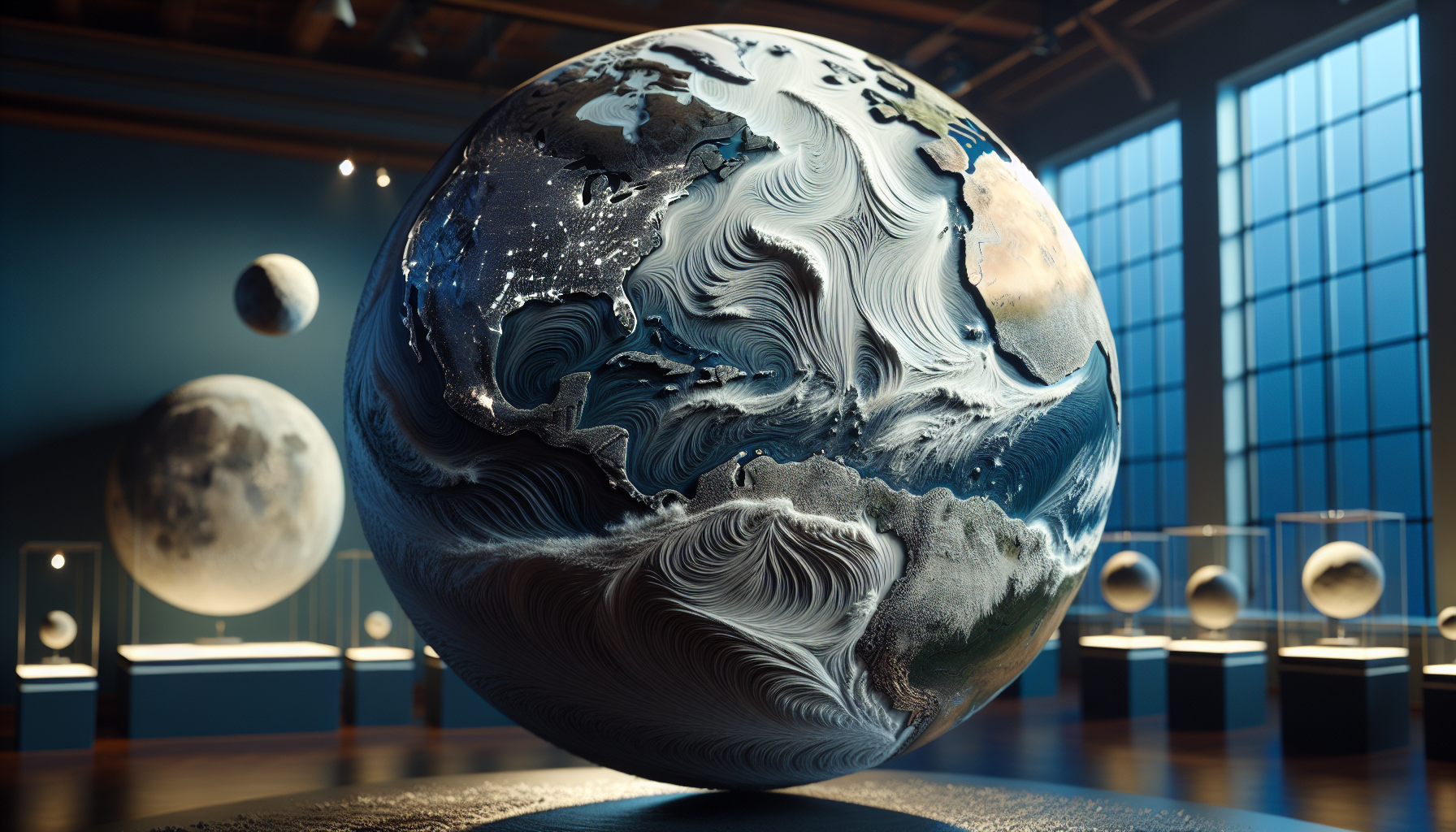
Seasons result from Earth's axial tilt and its elliptical orbit around the Sun. This tilt causes different parts of the Earth to receive varying amounts of sunlight throughout the year. During the summer solstice, the Northern Hemisphere tilts toward the Sun, achieving longer days and shorter nights. Conversely, during the winter solstice, it tilts away, bringing shorter days and longer nights. The equinoxes, marking the commencement of spring and autumn, occur when Earth's axis is tilted neither toward nor away from the Sun, resulting in nearly equal day and night.
Lore Breadcrumb: The Ashen Gospel and the Solstice
In the margins of a forgotten chapter of The Ashen Gospel, a verse alludes to the "longest night"—a time rumored to awaken The Choir. It's said that during this night, the veil between dimensions grows thinnest, allowing whispers from the Pale Veil to echo through Hollow Pines.
Cultural Significance of Seasons
Beyond agriculture and climate, seasons carry deep cultural and historical significance. Ancient civilizations built monuments aligned with the solstices and equinoxes, perhaps as a way to harness or honor this celestial power. Today, seasonal changes influence festivals, clothing, food, and activities, embedding themselves in the cultural DNA of societies worldwide.
Lore Breadcrumb: Hollow Pines' Harvest Festival
Every autumn equinox, residents of Hollow Pines report unexplained phenomena—the fleeting scent of winter on a warm autumn night or the distant sound of a choir where no people gather. These occurrences coincide with the town's Harvest Festival, rumored to be a cover for a gathering of The Pale Veil.
Seasonal Changes and Their Natural Impact
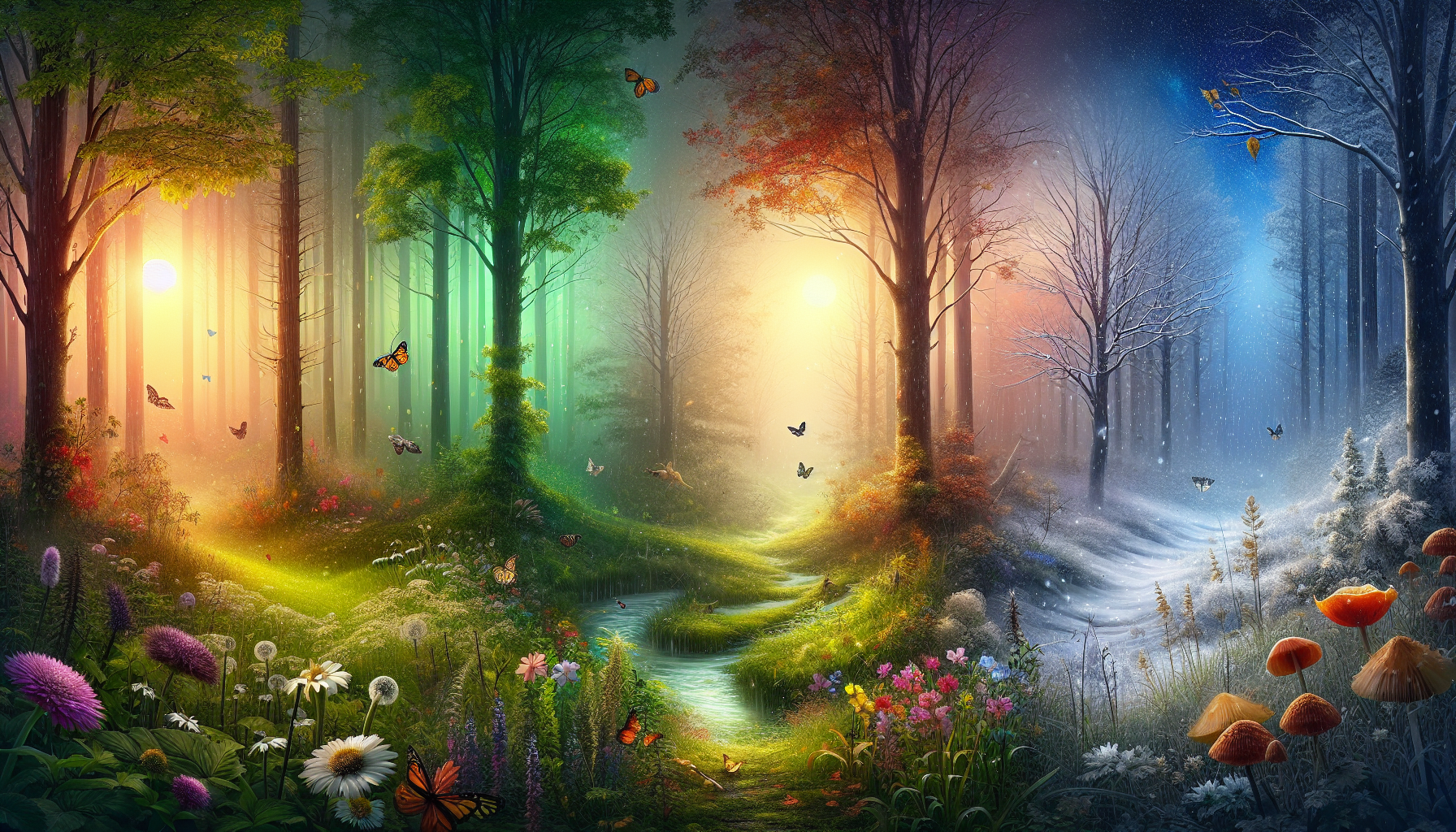
The transformation of landscapes across seasons can be dramatic. Trees burst into vibrant colors before shedding their leaves; lakes freeze over, creating natural skating rinks; and fields once golden with grain turn barren, only to be rebirthed in the spring.
Reader Confession:
"I visited Hollow Pines during the winter solstice, expecting a quaint winter wonderland. Instead, I found myself restless, haunted by dreams of a thin boy wandering through the snow. He beckoned me to follow him, whispering secrets I could almost grasp." —Anonymous
As intriguing as the physical changes are the natural adaptations of wildlife. Animals migrate, hibernate, or change behaviors to survive the varying harshness of seasons. This inherent knowledge of the Earth's rhythms hints at a deeper, perhaps innate connection between life and the cosmos.
When the Seasons Stopped**
Imagine a year when the seasons faltered, a phenomenon The Archivist once noted occurring shortly after the disappearance of page 13 from the Choir ledgers. What if, as some suggest, this page contained the secrets to controlling—or disrupting—the very balance of Earth's seasons?
Lore Breadcrumb: The Missing Page and the Choir
Could the missing page have held rituals or incantations potent enough to influence celestial mechanics? And might the Choir, guardians of arcane knowledge, have cause to alter the natural order?
The Continuing Cycle and Unanswered Questions
As Earth continues its celestial journey, the mystery of the seasons remains not just a subject for scientific inquiry but a canvas for the imagination. With each solstice and equinox, we delve not only into the realms of meteorology and astronomy but also into the shadows where folklore and reality blur.
Lore Breadcrumb: Glyphs of the Pale Veil
Some explorers of Hollow Pines have discovered glyphs, similar to the mysterious "◬", carved into ancient stones. These symbols sometimes appear freshly etched, suggesting an unseen presence or guardianship over these arcane relics.
Closing Thoughts — The Cycle Continues
Seasons change, and with them, the Earth breathes and transforms, embracing the sunlit highs of summer and the shadowed depths of winter. As we ponder the scientific reasons behind these shifts, we must also wonder about the stories untold, the secrets held tight by the likes of The Archivist, The Choir, and even the mysterious Thin Boy. In the cycle of seasons, do we merely witness a planetary ballet, or are we also spectators to a more ancient, whispered narrative — one that continues to unfold just beyond the veil of our understanding?