Understanding High Tides and Low Tides: The Driving Forces
The rhythmic dance of high and low tides along the world’s coastlines is a phenomenon that has captivated humanity for millennia. Governed primarily by the gravitational interactions between the Earth, Moon, and Sun, tides are more than just a curiosity; they are crucial to marine ecosystems, human activities, and even the geography of our coastal regions.
TL;DR
- Gravitational Pull: The primary cause of tides is the gravitational pull exerted by the Moon and, to a lesser extent, the Sun.
- Tidal Forces: These forces cause the oceans to bulge out in the direction of the Moon and on the side opposite the Moon, creating high tides.
- Earth's Rotation: As the Earth rotates, different parts of the planet pass through these bulges, experiencing high and low tides.
- Spring and Neap Tides: The alignment of the Sun, Earth, and Moon affects the intensity of tides, leading to the varying magnitudes known as spring and neap tides.
- Geographical Variation: Local geography can amplify or reduce tidal effects, leading to significant variations in tidal patterns around the world.
- Environmental Impact: Tides influence marine life, coastal erosion, and human activities like fishing and boating.
The Science Behind Tides
The Role of Gravity
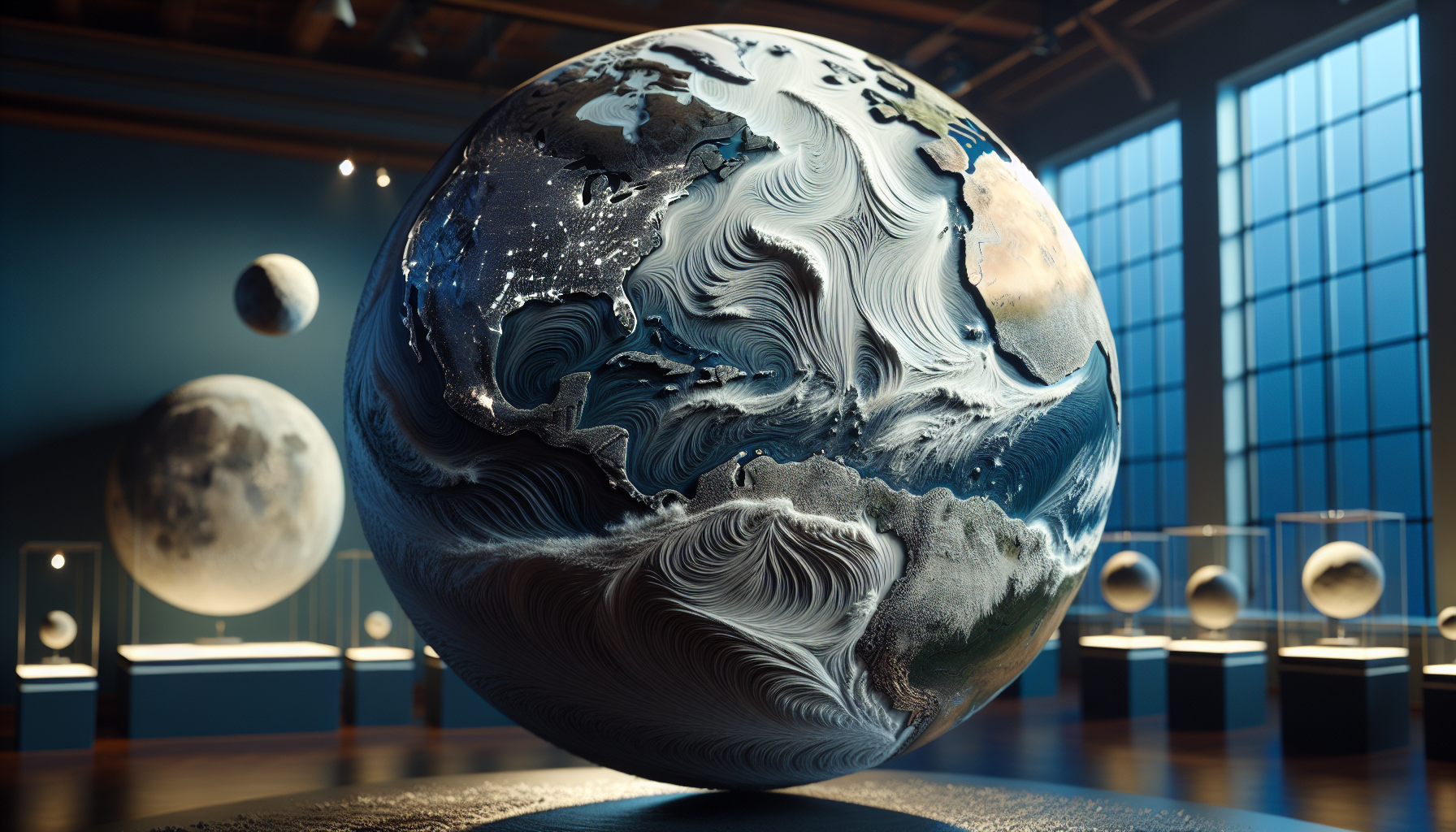
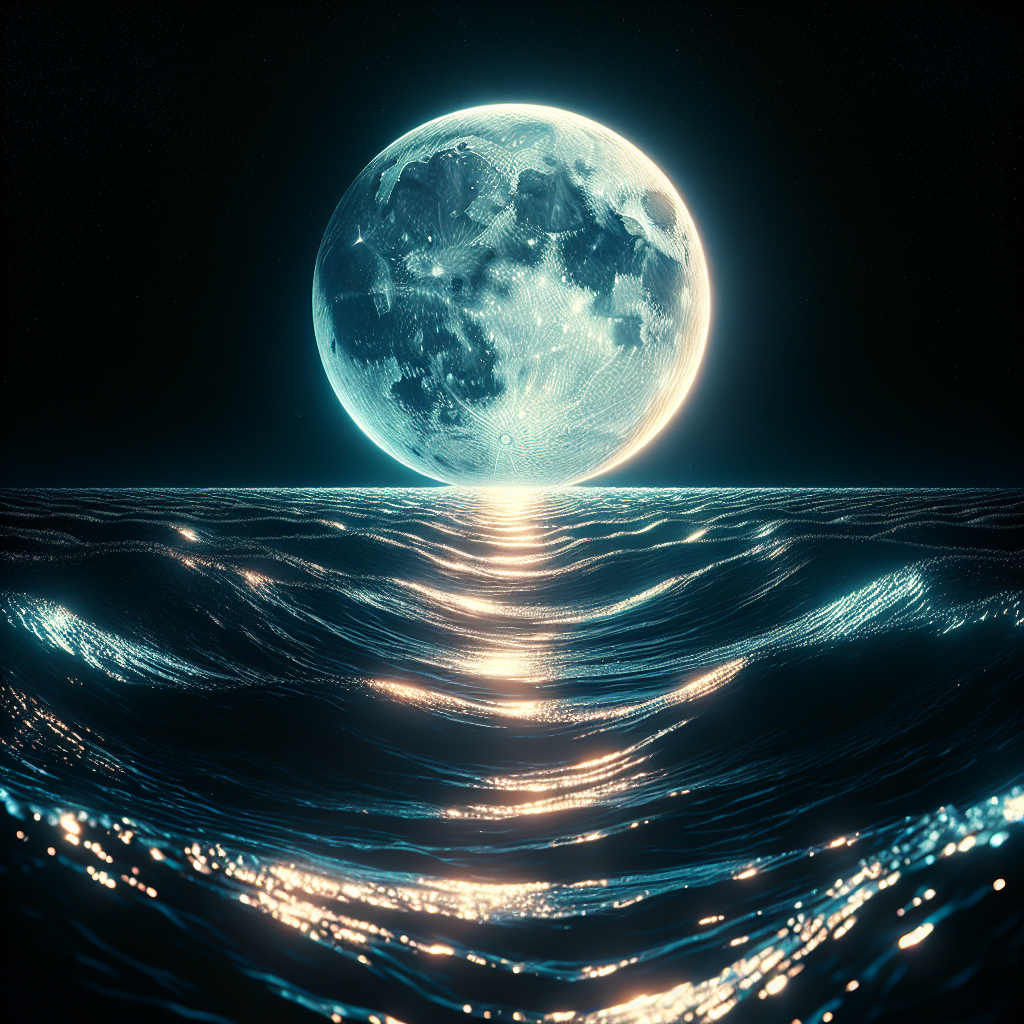
At its core, the phenomenon of tides is a result of gravitational forces exerted by the Moon and the Sun on the Earth's oceans. The Moon’s gravity pulls water towards it, creating a bulge in the ocean surface. This bulge is the high tide. On the side of Earth opposite to the Moon, another bulge occurs due to the centrifugal force created by the Earth-Moon system's rotation around its common center of mass. These two bulges are responsible for the high tides while the areas between the bulges experience low tides.
Earth's Rotation and Tidal Cycles
As the Earth rotates on its axis, the positions of these bulges change relative to the coastline, causing the rise and fall of the sea level that we observe as tides. Each point on Earth generally experiences two high tides and two low tides over the course of approximately 24 hours and 50 minutes, which is a lunar day.
The Sun’s Influence and Tidal Variations
While the Moon is the primary influence on Earth’s tides, the Sun also plays a significant role. When the Sun, Earth, and Moon align during new and full moons, the solar and lunar tides reinforce each other, leading to spring tides, which are higher than average. Conversely, when the Sun and Moon are at right angles relative to the Earth, during the first and third quarters of the moon, their gravitational forces counteract each other, resulting in neap tides, which are lower than average.
Historical Understanding of Tides
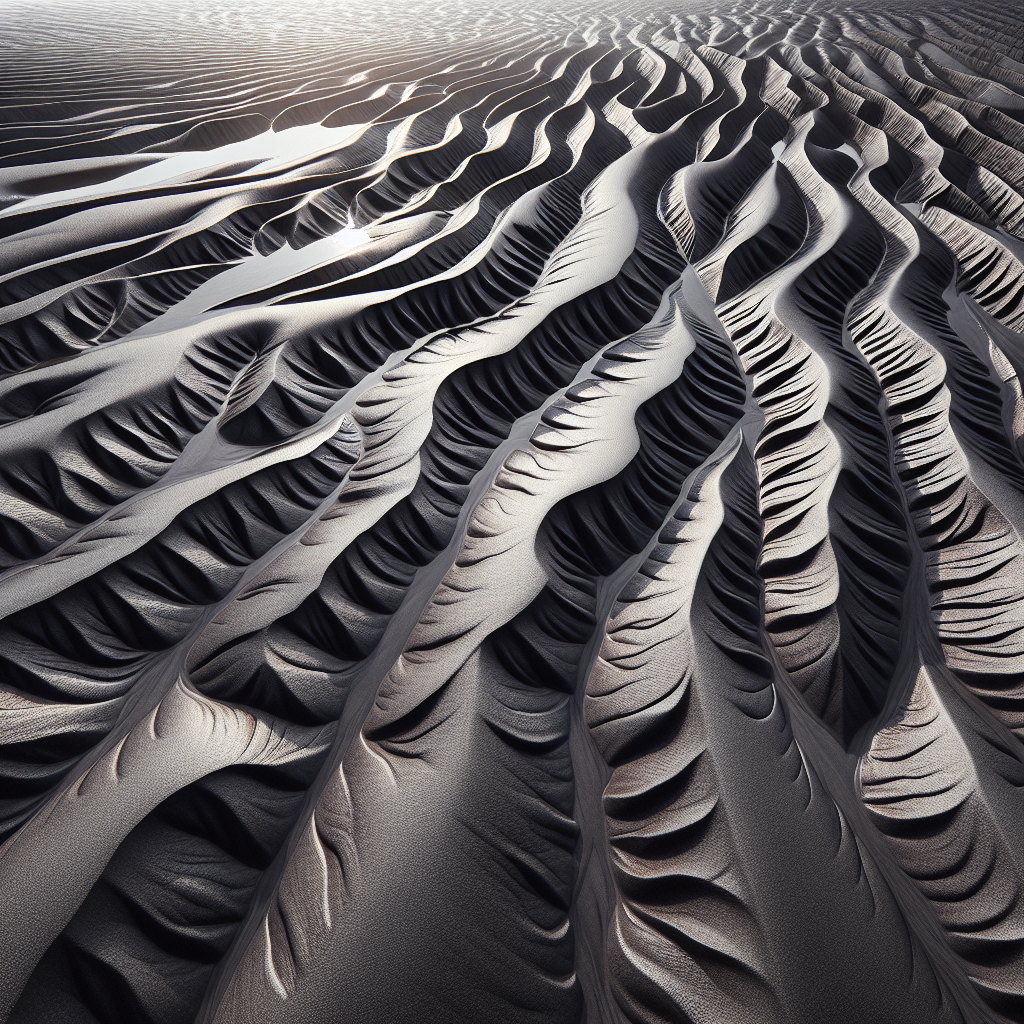
The observation and interpretation of tides have evolved significantly over centuries. Ancient civilizations noted the correlation between the moon’s phases and the ocean’s behavior but lacked the scientific framework to explain the mechanics. The modern understanding of tides began to develop in the 17th century with scientists like Isaac Newton, who explained tides using the principles of gravity.
Etymology of Tide-Related Terms

The word "tide" itself comes from the Old English word "tīd," meaning time or season. Historically, it referred not only to the rising and falling of the sea but also to a point or division of time. This linguistic root reflects the periodic and cyclic nature of tides.
Cultural Impact of Tides
Throughout history, tides have influenced coastal cultures in various ways. Fishing communities, for example, plan their activities based on tidal movements. In some cultures, tides have been interwoven with mythology and folklore, often attributed to supernatural forces or deities controlling the water.
Misconceptions About Tides
One common misconception is that tides are a global phenomenon experienced uniformly across the planet. In reality, the amplitude and timing of tides can vary dramatically from one location to another due to local geographic features. Another misconception is that the Sun has a negligible effect on tides compared to the Moon. While the Moon's influence is indeed stronger, the Sun's gravitational pull significantly modulates the tidal patterns.
Conclusion
The ebb and flow of tides are not just simple daily occurrences but are complex interactions of gravitational forces primarily exerted by the Moon and the Sun, modulated by Earth’s rotation and geographical features. Understanding these mechanisms not only enriches our knowledge of natural phenomena but also helps us better appreciate the intricate ways in which celestial mechanics govern our environment. As we continue to study and learn from these natural rhythms, we can enhance our interaction with and stewardship of the marine and coastal ecosystems that depend so heavily on the tides.