Understanding Island Formation: A Geographical Guide
Islands, those diverse and often picturesque landforms surrounded by water, are born from a variety of natural processes. From the fiery eruptions of volcanoes to the subtle work of sediment deposition and coral growth, the formation of islands is a fascinating study in Earth’s dynamic systems.
TL;DR
- Volcanic Islands are formed by volcanic activity, where magma erupts through the ocean floor.
- Continental Islands are typically parts of continents that have been isolated by rising sea levels.
- Coral Atolls originate from coral reefs building up around sinking volcanic islands.
- Tectonic Islands result from movements of Earth’s crust, including folding, faulting, or other deformations.
- Barrier Islands are formed by the accumulation of sand along coastlines due to wave and current action.
- Artificial Islands are human-made structures, created by land reclamation or piling sand.
How Volcanic Islands Are Formed
The Role of Magma
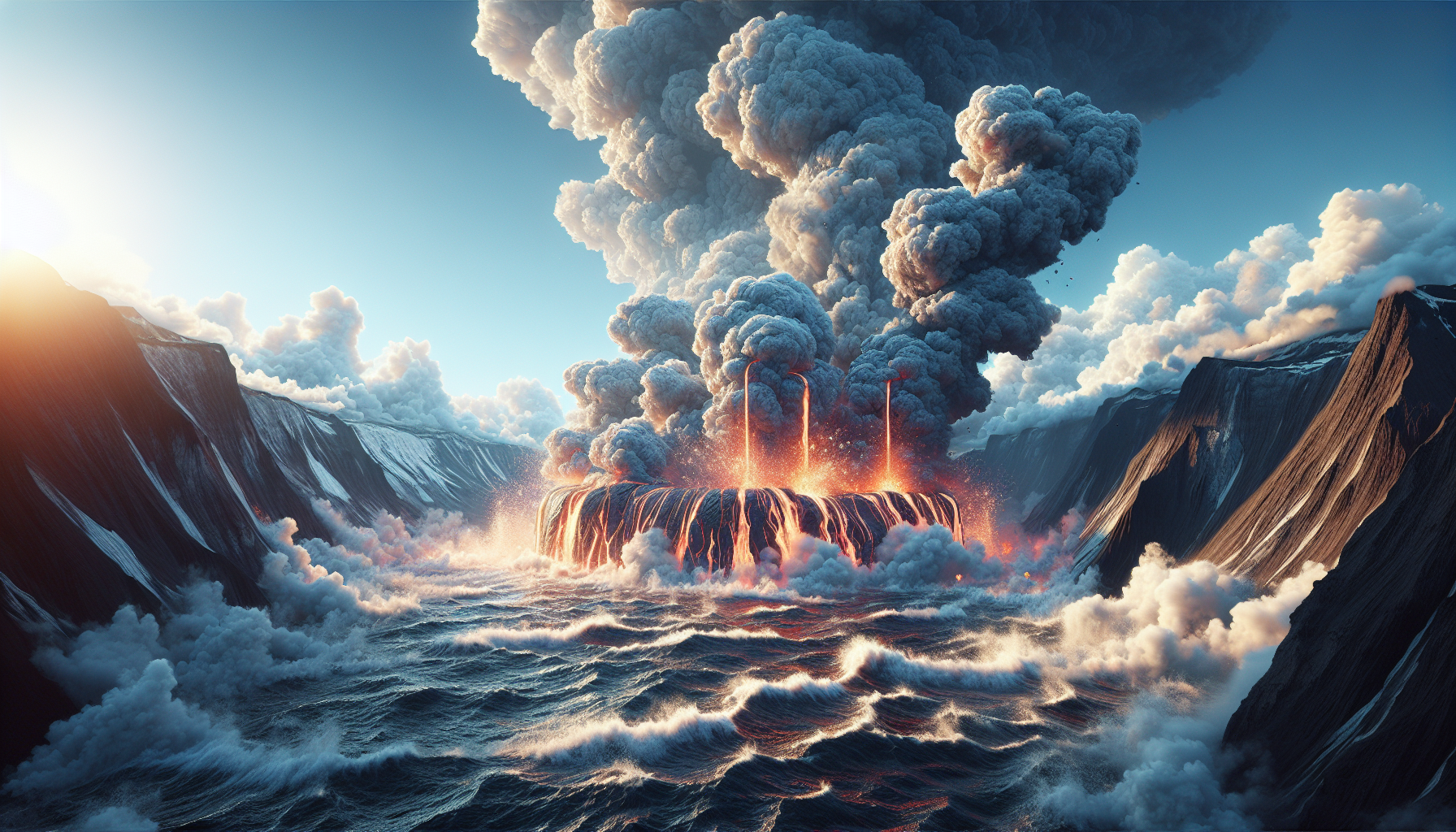
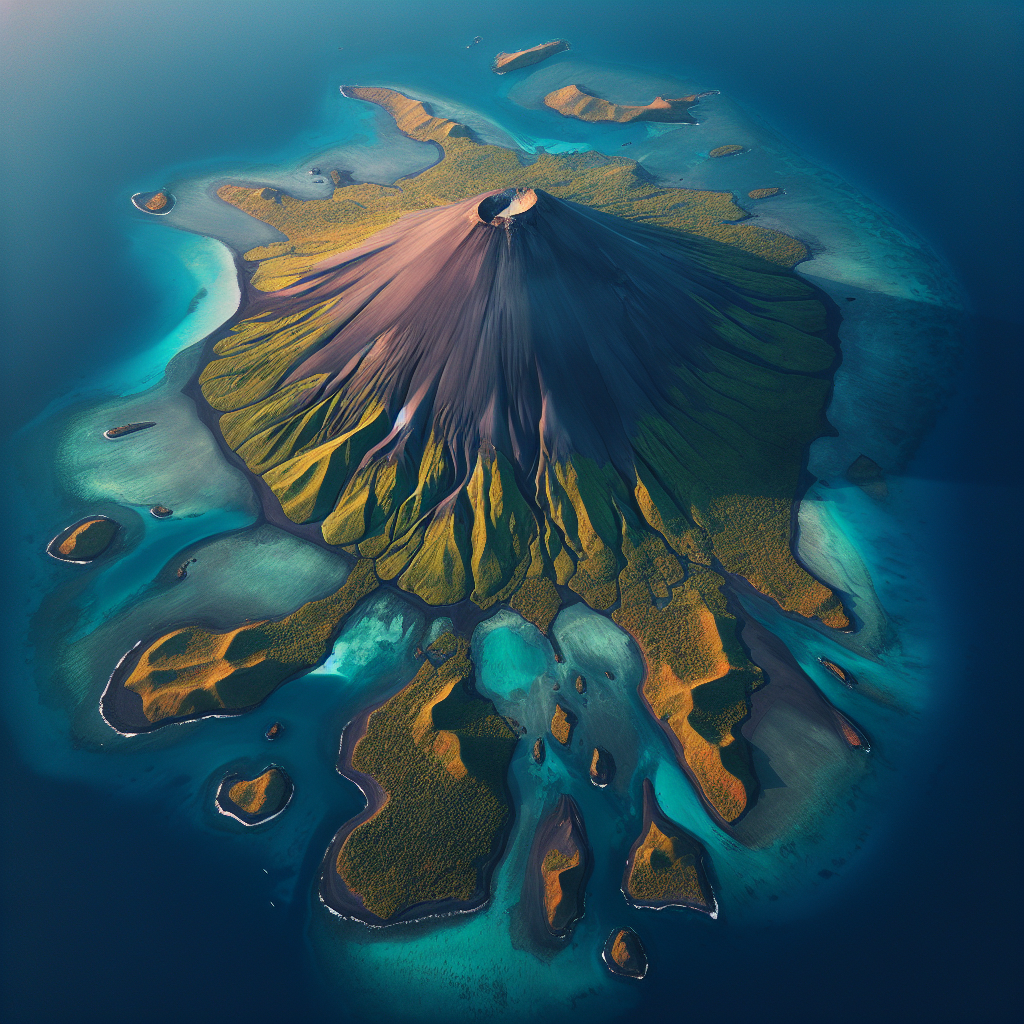
Volcanic islands arise from the ocean floor through a process involving the eruption of magma from deep within the Earth. This magma, originating from the Earth's mantle, finds weak spots in the oceanic crust, primarily along divergent and convergent plate boundaries, and pushes upwards. Over time, repeated eruptions cause the lava to accumulate above sea level, forming an island.
Examples of Volcanic Islands
- Hawaiian Islands: Formed over a volcanic hotspot in the middle of the Pacific Plate.
- Iceland: Located on the Mid-Atlantic Ridge, where the Eurasian and North American plates are diverging.
Formation of Continental Islands
Geological Isolation
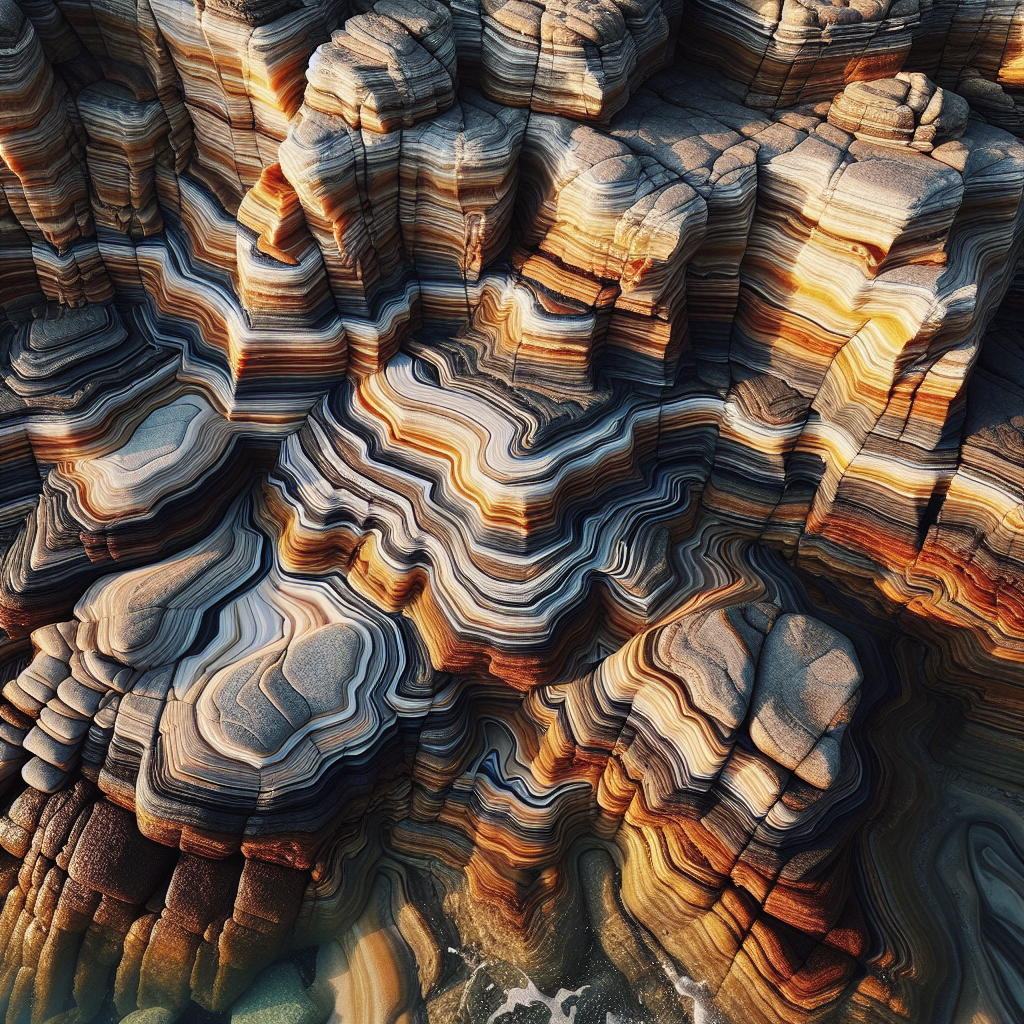
Continental islands are typically formed by rising sea levels that isolate parts of continents. These islands were once connected to a mainland but were cut off by the encroaching sea.
Notable Continental Islands
- Great Britain: Separated from mainland Europe by the English Channel.
- Madagascar: Originally part of the supercontinent Gondwana but became isolated as Africa drifted away.
Role of Tectonic Activity in Island Formation
Tectonic Movements
Tectonic islands are formed due to the Earth's lithospheric plates' movements. These movements can cause portions of the crust to rise above sea level, either through folding, faulting, or other tectonic activities.
Impact of Tectonic Forces
- Japan: A series of islands formed largely by the subduction of the Pacific Plate beneath the North American Plate.
- Philippines: Situated on the complex boundary of several tectonic plates including the Eurasian Plate and the Philippine Sea Plate.
Coral Reefs and Atolls
Coral Growth and Island Formation
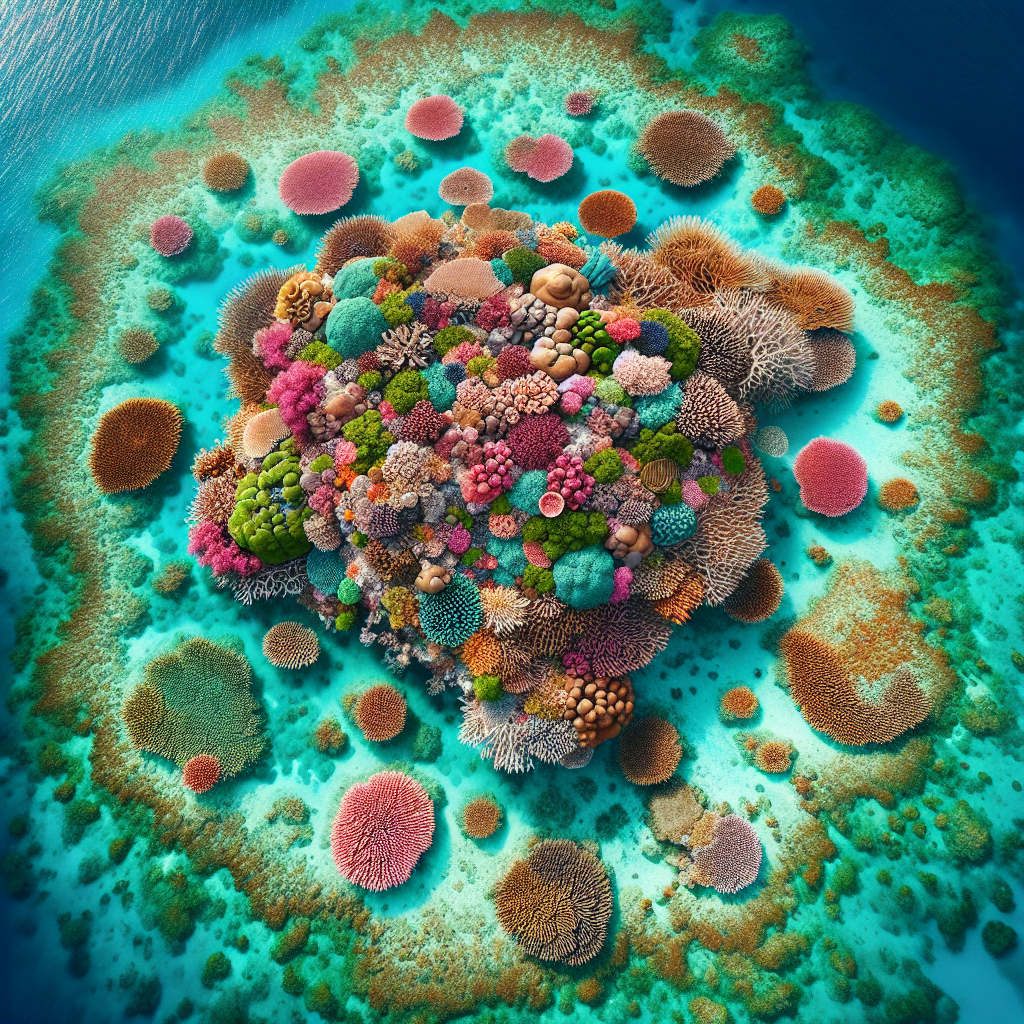
Coral atolls are unique islands that form around sinking volcanic islands. As the volcanic island erodes and subsides, coral reefs grow in the warm, shallow waters around it. Over time, the original island sinks completely below the ocean surface, leaving a ring-shaped coral island.
Examples of Coral Atolls
- Maldives: Comprising 26 atolls in the Indian Ocean, formed atop a volcanic mountain range.
- Bikini Atoll: Part of the Marshall Islands, known for its clear lagoon enclosed by coral reefs.
Human Impact on Islands
Artificial Islands
Increasingly, humans have taken to constructing their own islands. These artificial islands are typically built through land reclamation or by piling sand and rock. They serve various purposes, from residential and commercial development to ecological restoration.
Examples of Artificial Islands
- Palm Jumeirah: An artificial archipelago in Dubai, UAE, created using land reclamation.
- Flevopolder: The largest artificial island in the Netherlands, formed by draining part of the IJsselmeer lake.
Island Biodiversity and Conservation
Unique Ecosystems
Islands often host unique ecosystems, with species that have evolved in isolation. This makes them critically important for biodiversity but also vulnerable to disturbances.
Conservation Challenges
- Invasive Species: Non-native species can devastate island ecosystems.
- Habitat Loss: Development and land-use change threaten native habitats.
- Climate Change: Rising sea levels pose a significant threat to island existence.
Conclusion
The formation of islands is a complex and dynamic process influenced by a variety of geological, oceanographic, and biological factors. Understanding how islands are formed not only enriches our knowledge of Earth’s geographical and ecological diversity but also highlights the delicate balance these ecosystems maintain. As global conditions change, particularly with climate change, the study of islands becomes even more essential to their preservation and our understanding of environmental impacts.