Why Do Volcanoes Erupt? Unveiling the Fiery Secrets
Volcanic eruptions are one of Earth's most powerful and spectacular natural phenomena, serving as a reminder of the planet's dynamic interior. Understanding why volcanoes erupt is crucial for predicting future eruptions and mitigating their potential impacts on human populations and the environment.
TL;DR
- Volcanic eruptions occur due to the pressure buildup from molten rock, known as magma, beneath the Earth's crust.
- The movement of tectonic plates plays a significant role in the formation and activity of volcanoes.
- Magma rises through the crust because it is less dense than the surrounding solid rock, leading to eruptions when pressure is released.
- Eruptions can be influenced by the composition of the magma, which affects its viscosity and gas content.
- Volcanic activity is closely monitored using various geological and technological methods to predict and prepare for future eruptions.
- Understanding volcanic eruptions helps in disaster preparedness and provides insights into Earth's geological history.
The Science Behind Volcanic Eruptions
The Role of Magma
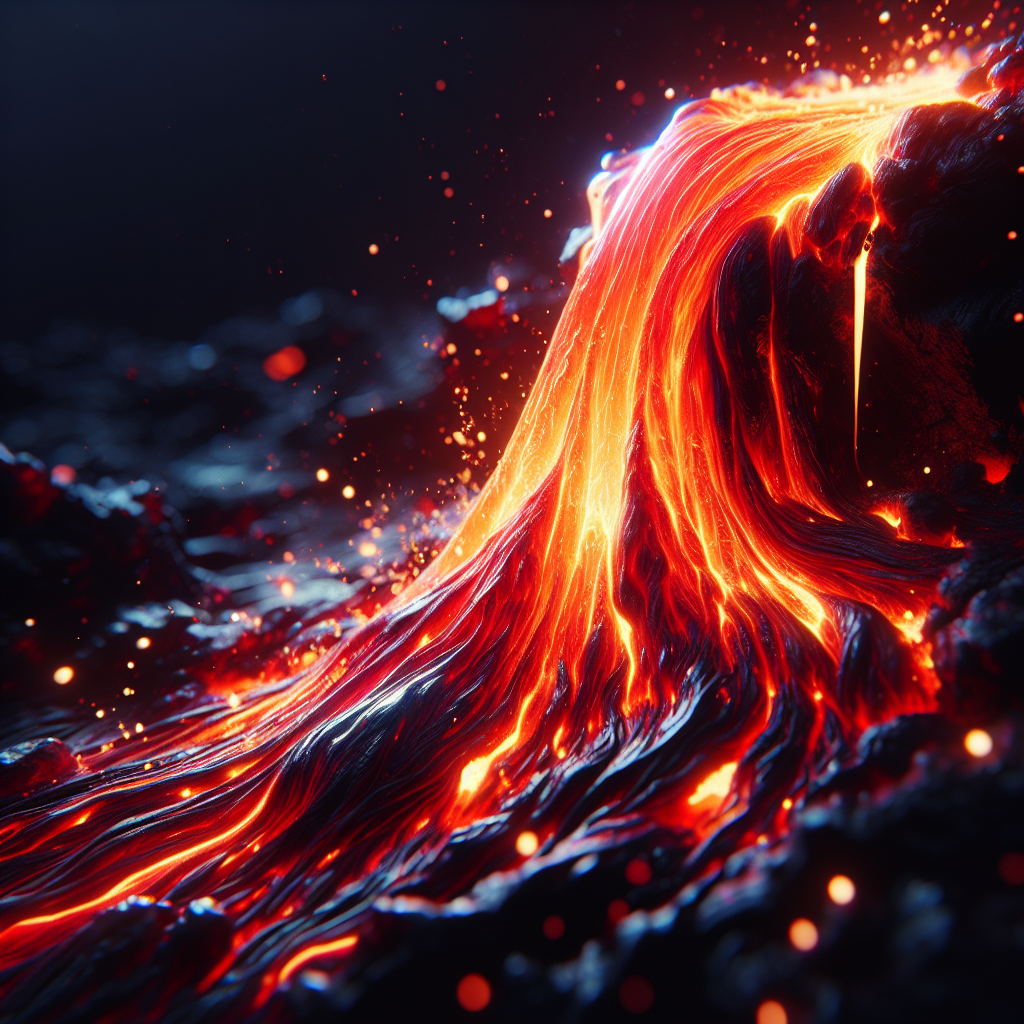
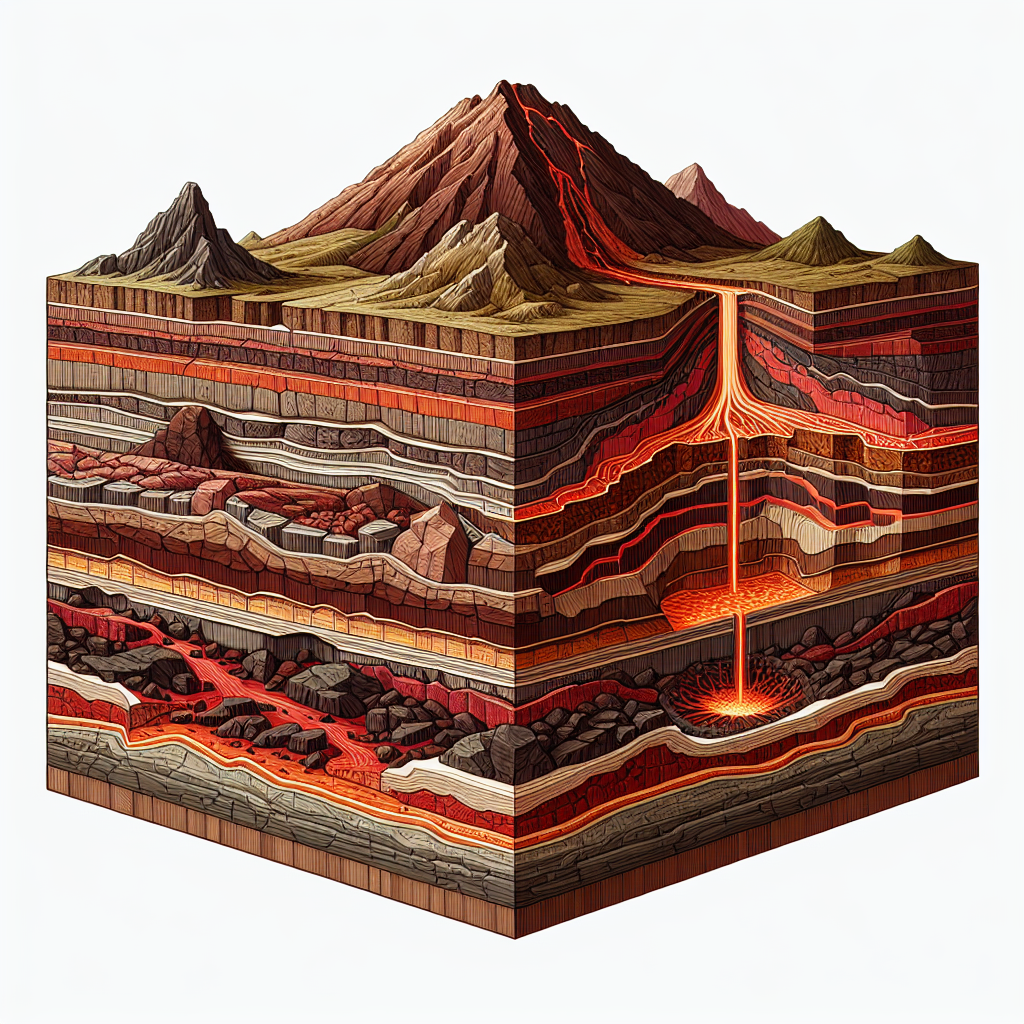
At the core of every volcanic eruption is magma, a molten mixture of rock, minerals, and volatile gases. Magma forms in the Earth's mantle, the layer beneath the crust, due to the partial melting of rocks. The melting can occur due to an increase in temperature, a decrease in pressure, or the addition of volatile substances.
How Magma Triggers Eruptions
Magma rises towards the Earth's surface because it is less dense than the surrounding rock. As it ascends, the pressure decreases, allowing the dissolved gases in the magma to expand. This expansion increases the pressure within the magma, and if the surrounding rock cannot contain it, the magma breaks through the surface, resulting in an eruption.
Tectonic Plates and Volcanic Activity
The Earth's lithosphere is divided into tectonic plates that float on the semi-fluid asthenosphere beneath them. The boundaries of these plates are hotspots for volcanic activity.
Types of Plate Boundaries:
- Convergent Boundaries: Where two plates collide, one plate may be forced under another in a process known as subduction, generating magma.
- Divergent Boundaries: Where two plates move apart, magma rises up to fill the gap, often creating new crust as it cools.
- Hotspots: In some locations, plumes of hot mantle material rise independently of plate boundaries, creating volcanoes.
Historical Context of Volcanic Eruptions
Notable Eruptions
Throughout history, volcanic eruptions have reshaped landscapes and impacted human civilizations. For example:
- The eruption of Mount Vesuvius in 79 AD buried the Roman cities of Pompeii and Herculaneum in ash and pumice, preserving them in time.
- The 1883 eruption of Krakatoa was one of the most violent in recorded history and significantly affected global climate patterns.
Learning from the Past
Studying historic eruptions helps scientists understand the variety of eruption styles and their potential impacts on the environment and societies. This knowledge is crucial for developing effective disaster preparedness strategies.
The Role of Volcanic Gases
Volcanic gases are primarily water vapor, carbon dioxide, and sulfur dioxide. These gases can drive eruptions and impact climate:
- Water Vapor: The most abundant volcanic gas, which can contribute to the formation of atmospheric clouds.
- Carbon Dioxide: Can accumulate in high concentrations and pose hazards to life.
- Sulfur Dioxide: Can lead to the formation of volcanic smog (vog) and acid rain.
Misconceptions About Volcanic Eruptions
Common Misunderstandings
- Predictability: While significant advances have been made in volcano monitoring, predicting the exact time and size of an eruption remains challenging.
- Magma Composition: Not all magma is the same; variations in silica content affect its viscosity and explosiveness.
- Human Control: Despite popular myths, humans cannot prevent or significantly alter the course of a volcanic eruption.
Conclusion
Volcanic eruptions are a natural part of Earth's geological processes, driven by the movement of tectonic plates and the behavior of magma beneath the Earth's surface. While they can be destructive, understanding why and how volcanoes erupt is essential for preparedness and mitigation. Advances in geology and technology continue to improve our ability to monitor and predict volcanic activity, helping to safeguard communities and inform public safety strategies. Through continued research and monitoring, we can better appreciate and live harmoniously with these magnificent natural features.