Understanding How Volcanoes Erupt: The Explosive Facts
Volcanoes are one of nature's most awe-inspiring and fearsome phenomena, capable of altering landscapes, affecting global climates, and reshaping the history of human civilization. Understanding the mechanisms behind volcanic eruptions is crucial not only for scientific advancement but also for the safety and preparedness of populations living in their shadows.
TL;DR
- Volcanic eruptions occur when magma from the Earth's mantle escapes to the surface.
- Eruptions can be driven by the buoyancy of magma or the pressure from gases within the magma.
- Types of eruptions vary widely, from effusive lava flows to explosive eruptions that can eject ash and debris high into the atmosphere.
- Plate tectonics play a significant role in the formation and activity of volcanoes.
- Monitoring technologies and geological studies help predict eruptions and mitigate their impacts.
- Volcanic activity has both destructive and beneficial effects on the environment and human societies.
The Science Behind Volcanic Eruptions
What Triggers a Volcanic Eruption?
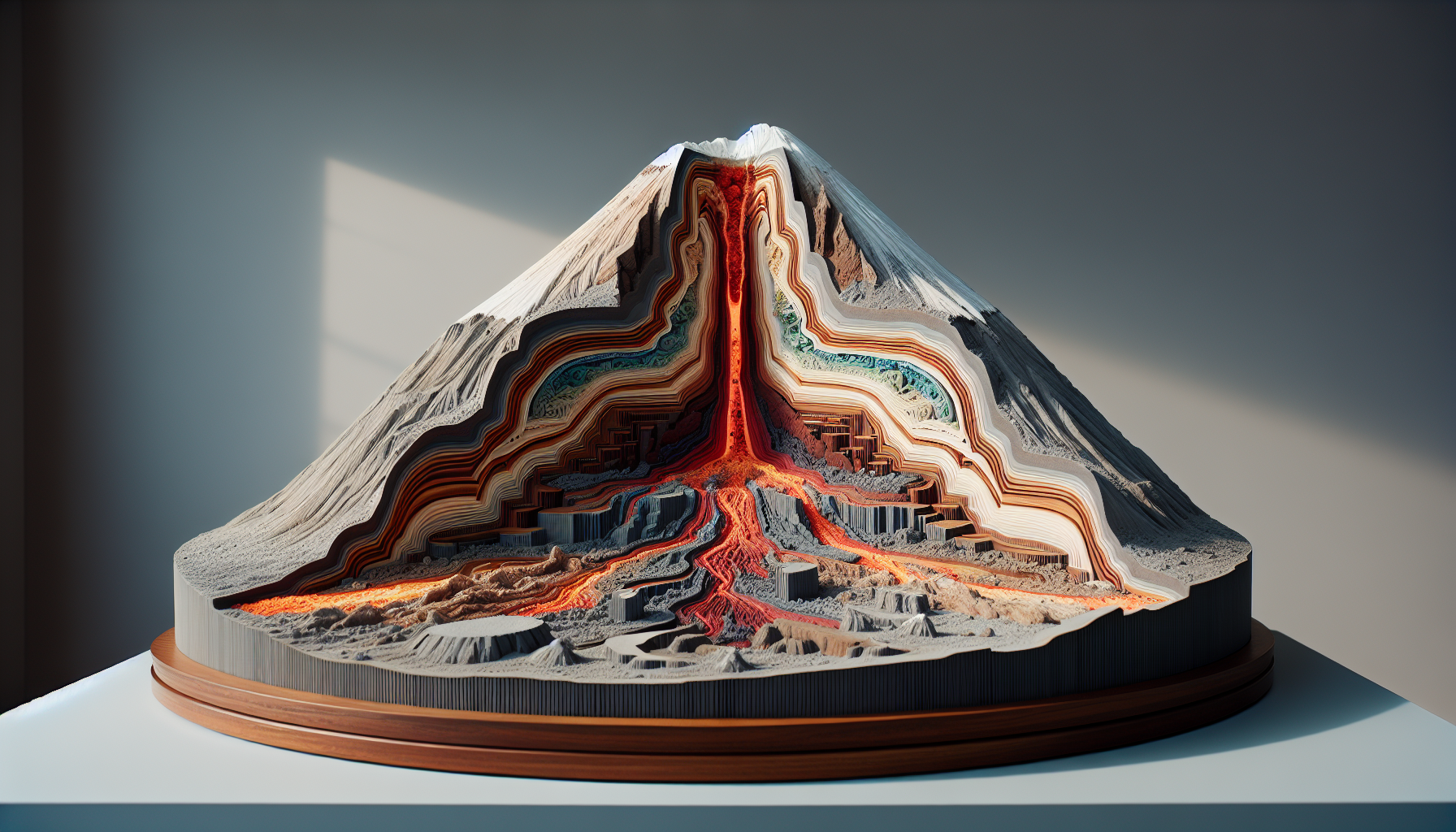
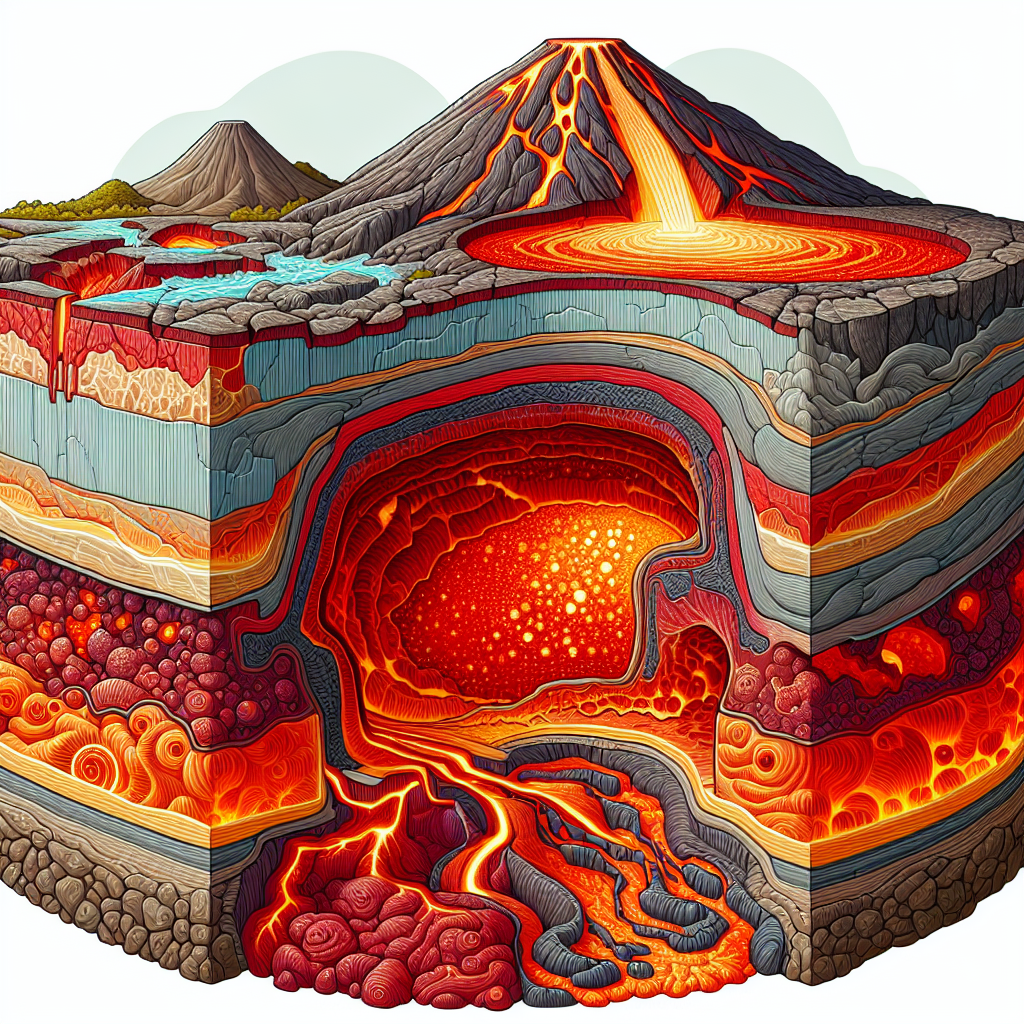
Volcanic eruptions are primarily caused by the dynamics of magma within the Earth. Magma is molten rock that forms deep beneath the Earth's crust, usually in the mantle. When magma rises, it can be driven by several factors:
- Decrease in Pressure: As tectonic plates move, they can create gaps that allow magma to move upwards towards the surface, decreasing the pressure and causing the magma to expand.
- Increase in Buoyancy: Magma can become more buoyant than the surrounding rock, particularly if it contains dissolved gases that expand as pressure decreases.
- Injection of New Magma: Fresh magma from deeper in the mantle can push older, crystallized magma upwards.
Types of Volcanic Eruptions
The nature of an eruption depends largely on the composition of the magma, which influences its viscosity and gas content:
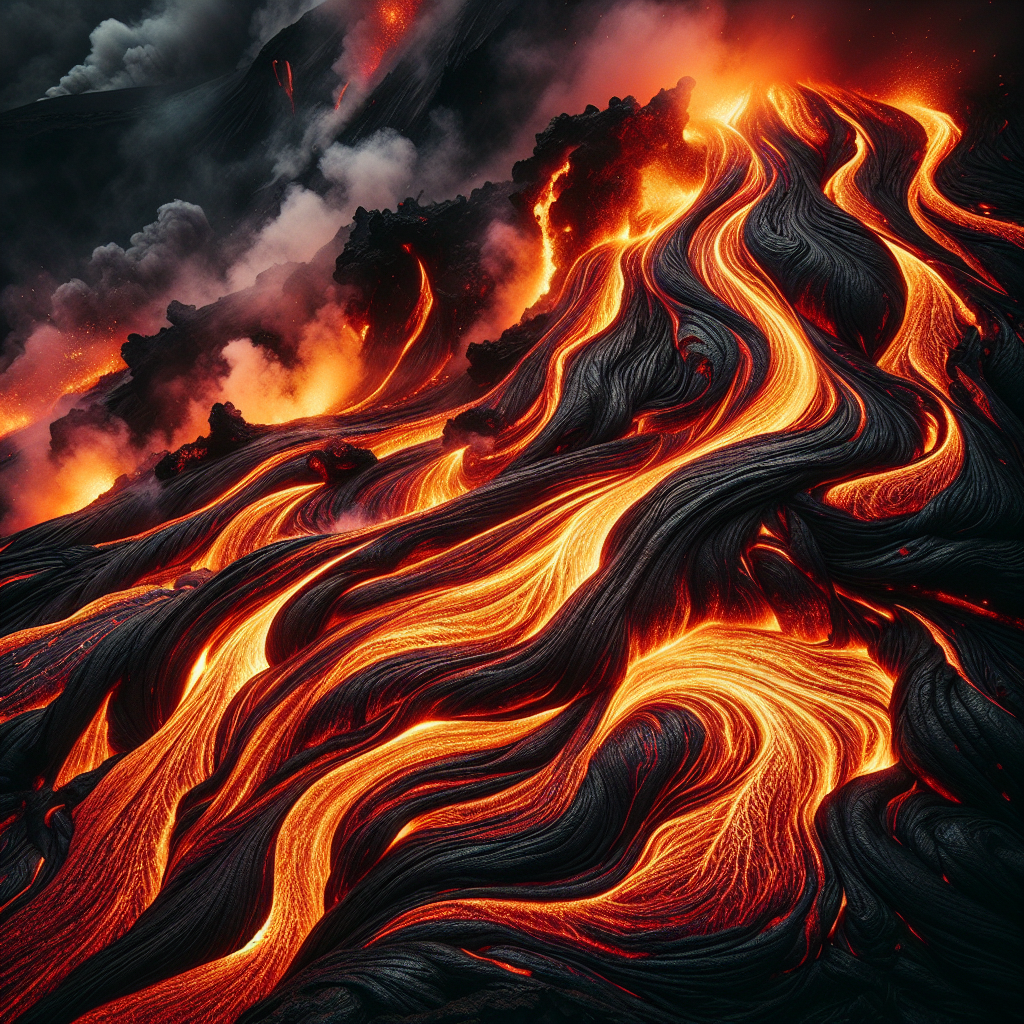
- Effusive Eruptions: These occur when magma is low in silica, making it less viscous and allowing gases to escape easily. The result is a steady flow of lava onto the surface.
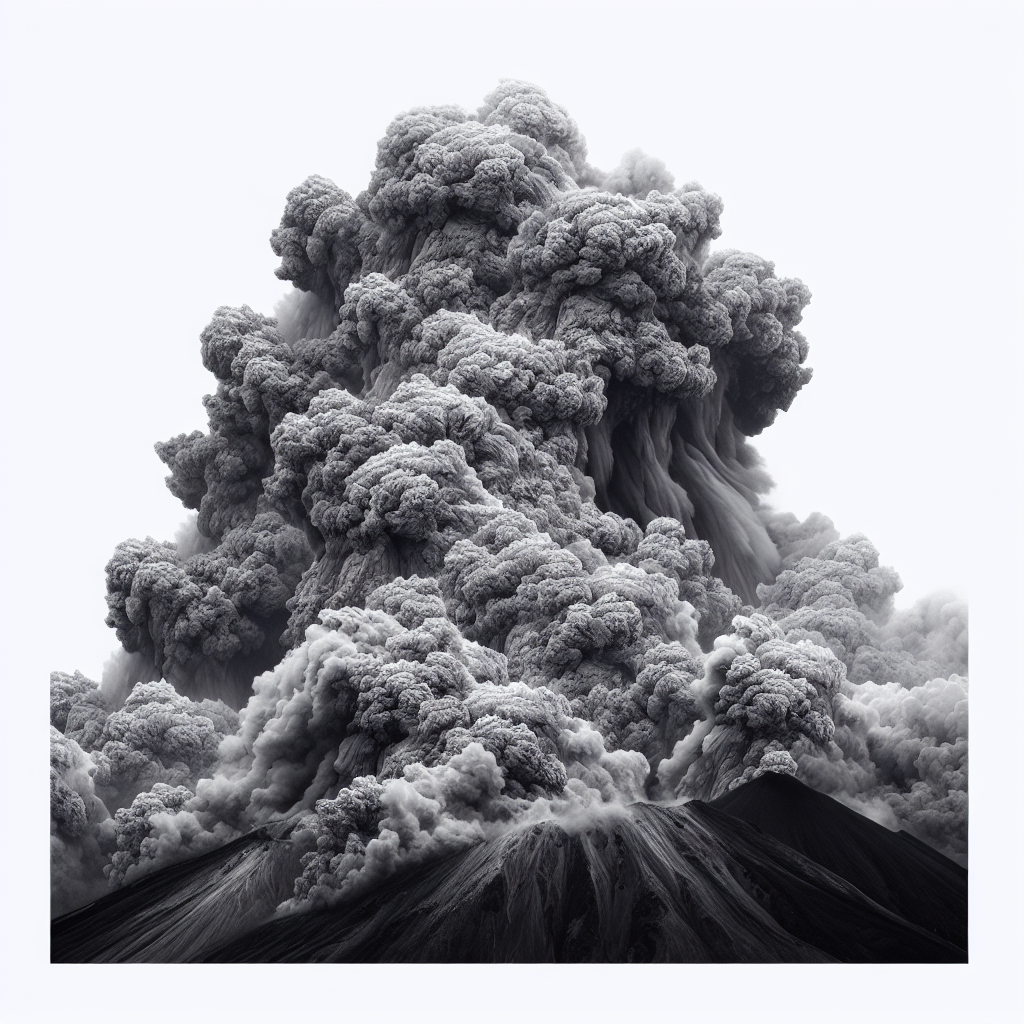
- Explosive Eruptions: High-silica magma is thicker, trapping gases within. When the pressure from these gases is released, it can lead to violent explosions that project ash and debris.
Monitoring Volcanic Activity
Advancements in technology have greatly improved the ability to monitor and predict volcanic eruptions. Tools used include:
- Seismometers: To measure earthquakes which often precede eruptions.
- Gas Spectrometers: To analyze gases released by a volcano, indicative of magma movement.
- Satellite Imaging: To detect ground deformation and heat signatures associated with increasing volcanic activity.
The Role of Plate Tectonics
Formation of Volcanoes
Most volcanoes are located along tectonic plate boundaries:
- Convergent Boundaries: Where one plate subducts under another, generating magma.
- Divergent Boundaries: Where plates pull apart, magma rises to fill the gap.
- Hotspots: Areas in the middle of tectonic plates where plumes of hot mantle rise, such as the Hawaiian Islands.
Historical Context of Volcanic Eruptions
Notable Eruptions and Their Impacts
Historic eruptions have provided key insights into volcanic behavior and its global impacts:
- Mount Vesuvius (79 AD): The destruction of Pompeii highlighted the potential for volcanic disasters.
- Krakatoa (1883): Generated the loudest sound historically reported and affected global climate.
- Mount St. Helens (1980): Modern monitoring technologies provided unprecedented data.
Volcanic Eruptions and Their Environmental Impact
Destructive Forces
Volcanic eruptions can cause immense destruction, including:
- Pyroclastic Flows: Superheated ash and debris that destroy everything in their path.
- Lahars: Volcanic mudflows that can bury communities.
- Tsunamis: Triggered by underwater eruptions or landslides.
Fertile Lands
Conversely, volcanic materials can enrich soils, making areas like the Pacific Northwest and Iceland highly fertile.
Misconceptions About Volcanoes
Common Myths Dispelled
- Volcanoes can "wake up" at any moment: Most active volcanoes show signs of unrest well before an eruption.
- Lava is the deadliest aspect of volcanoes: Pyroclastic flows and ash are often more dangerous than lava flows.
Conclusion
Volcanic eruptions are complex natural events influenced by a variety of geological factors. Understanding these factors is crucial for predicting eruptions and mitigating their effects. While they pose significant risks, volcanoes also play a beneficial role in shaping ecosystems and enriching soils. As monitoring technologies advance, our ability to live safely in the shadow of these powerful forces of nature continues to improve, blending respect with resilience in the face of volcanic activity.