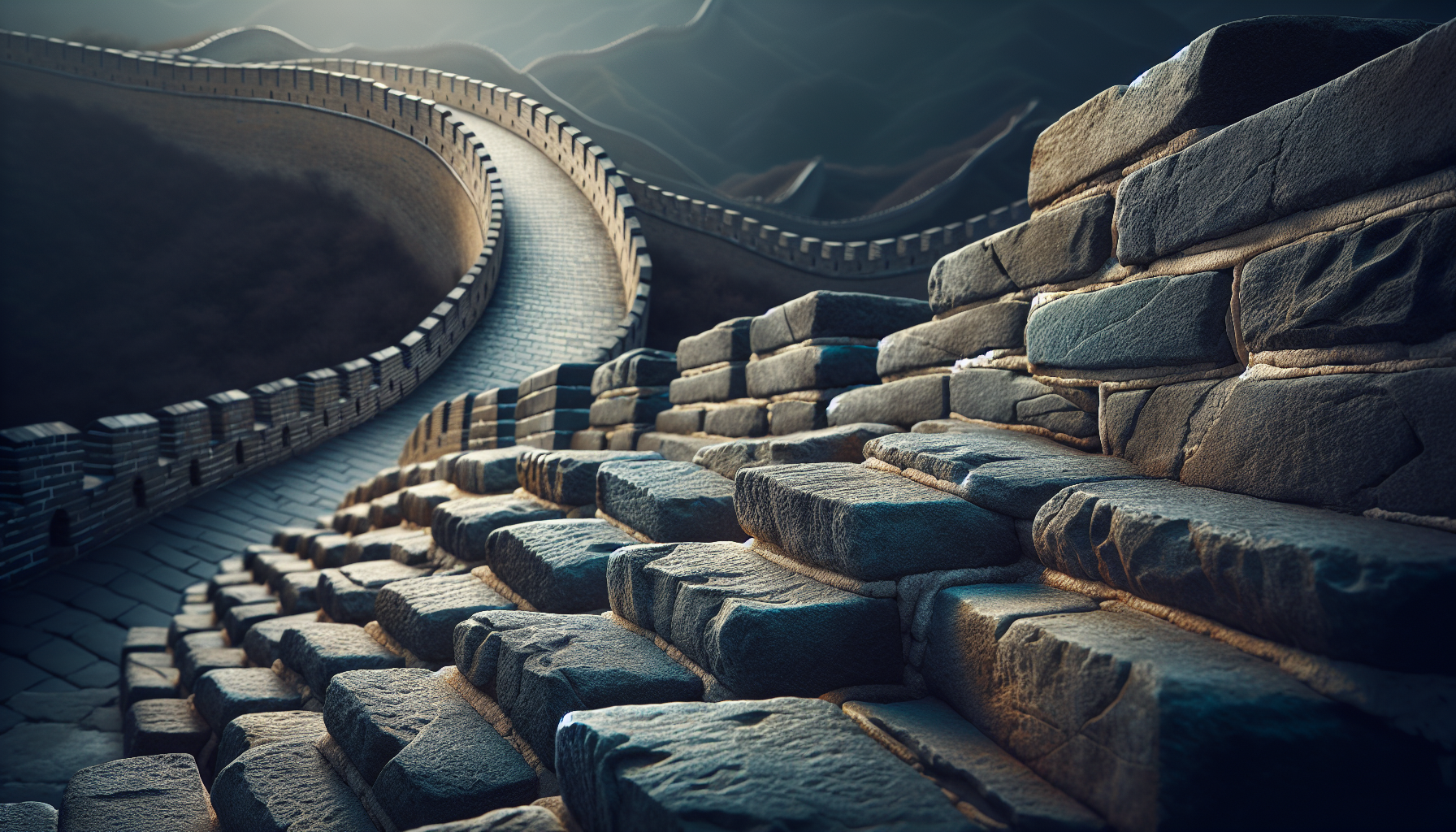
Exploring the Purpose of the Great Wall of China
The Great Wall of China, a marvel of ancient engineering, stretches across northern China and has stood as a symbol of both the might and the isolationist tendencies of several Chinese dynasties. This iconic structure was primarily built for protection but has also served other significant roles throughout its history.
TL;DR
- Defense Against Invasions: The primary purpose was to protect against invasions and raids by nomadic groups from the north.
- Border Control: It facilitated the regulation of trade along the Silk Road and the control of immigration and emigration.
- Symbol of Power: The Wall represented the strength and capability of the ruling dynasty.
- Administrative Tool: It helped in managing and asserting the empire's influence over its territories.
- Cultural Significance: Over centuries, it has become a symbol of national pride and cultural heritage.
- Tourism and Preservation: Today, it attracts millions of tourists annually and is a focal point for preservation efforts.
Historical Significance of the Great Wall

Origins and Construction
The Great Wall's history dates back to as early as the 7th century BC when several walls were built by different states. The most recognized sections of the Wall were constructed during the Ming Dynasty (1368–1644 AD) to protect against the Mongolian and Manchu invasions. The construction of the Wall was a colossal endeavor that involved millions of workers, including soldiers, peasants, and prisoners.
Strategic Defense
The primary motivation for building the Great Wall was defense. The nomadic tribes, such as the Mongols and the Xiongnu, posed constant threats to the Chinese empires. The Wall was designed to serve as a physical barrier that would slow down or prevent the invasions and raids from these groups. It featured watchtowers for surveillance, troop barracks, garrison stations, and signaling capabilities through smoke or fire, which provided a sophisticated early-warning system.
Border Control and Trade
Apart from military defense, the Great Wall also functioned as a means of controlling the movement of people and goods. It regulated trade along the Silk Road, which was vital for the economic prosperity of the empires. The gates of the Wall were controlled entry points where goods were taxed and inspected, which helped in maintaining economic stability and generating revenue.
Architectural and Construction Insights
Engineering Marvel
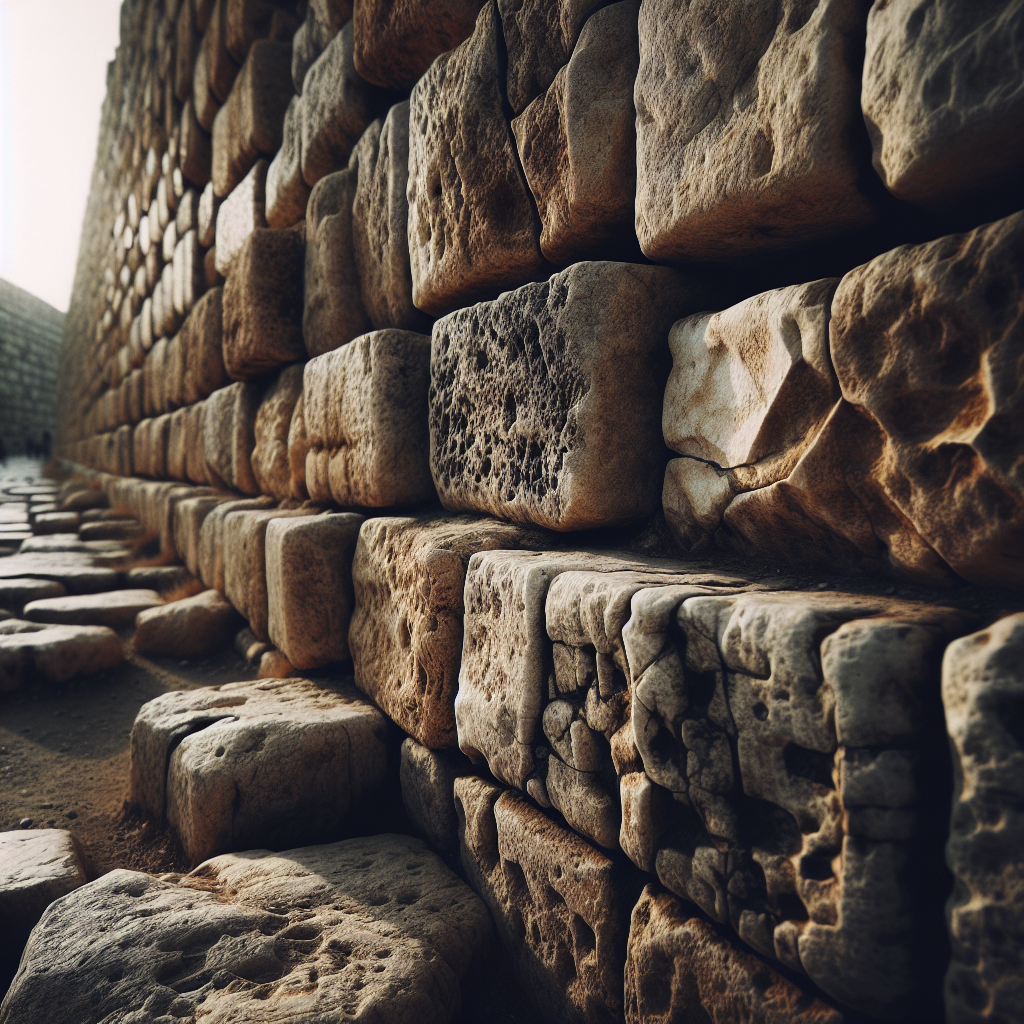
The construction techniques and materials used in the Great Wall varied across different dynasties and terrains. In the mountainous northern regions, workers built the wall from stones and tiles, and in the plains, they used tamped earth and wood. The adaptability of construction methods to different environments showcases the ingenuity of ancient Chinese engineers.
Labor Force
The workforce included soldiers, common people, and convicts. It is estimated that millions of people worked on the Wall over several centuries, many of whom died during construction. The scale of labor and resources devoted to building the Wall underscores its importance to the Chinese rulers.
Cultural Impact and Modern Significance

Symbol of National Pride
Over time, the Great Wall has transcended its original defensive purpose to become a symbol of Chinese ingenuity and endurance. It is often seen as a national symbol of resilience and architectural prowess.
Tourism and Preservation
Today, the Great Wall is one of the most recognized symbols of China and a significant tourist attraction. It draws millions of visitors each year who come to marvel at its historical grandeur. Preservation efforts are crucial in maintaining the integrity of this UNESCO World Heritage site, as parts of the Wall are in disrepair and need continuous restoration.
Misconceptions and Myths
There are several myths associated with the Great Wall, such as the claim that it is the only man-made structure visible from space. This has been debunked by astronauts and scientists. While such myths are widespread, they overshadow the true historical and cultural significance of the Wall.
Conclusion
The Great Wall of China was initially constructed for defense but has grown to embody much more. It stands as a testament to the historical, architectural, and cultural prowess of ancient China. As it continues to attract global attention and fascination, the Great Wall not only reminds us of the past conflicts and strategic needs of ancient Chinese civilizations but also symbolizes the unyielding spirit of human endeavor against the adversities of nature and time. Its ongoing preservation is a crucial aspect of cultural heritage, ensuring that future generations can learn from and be inspired by this monumental feat of ancient engineering.