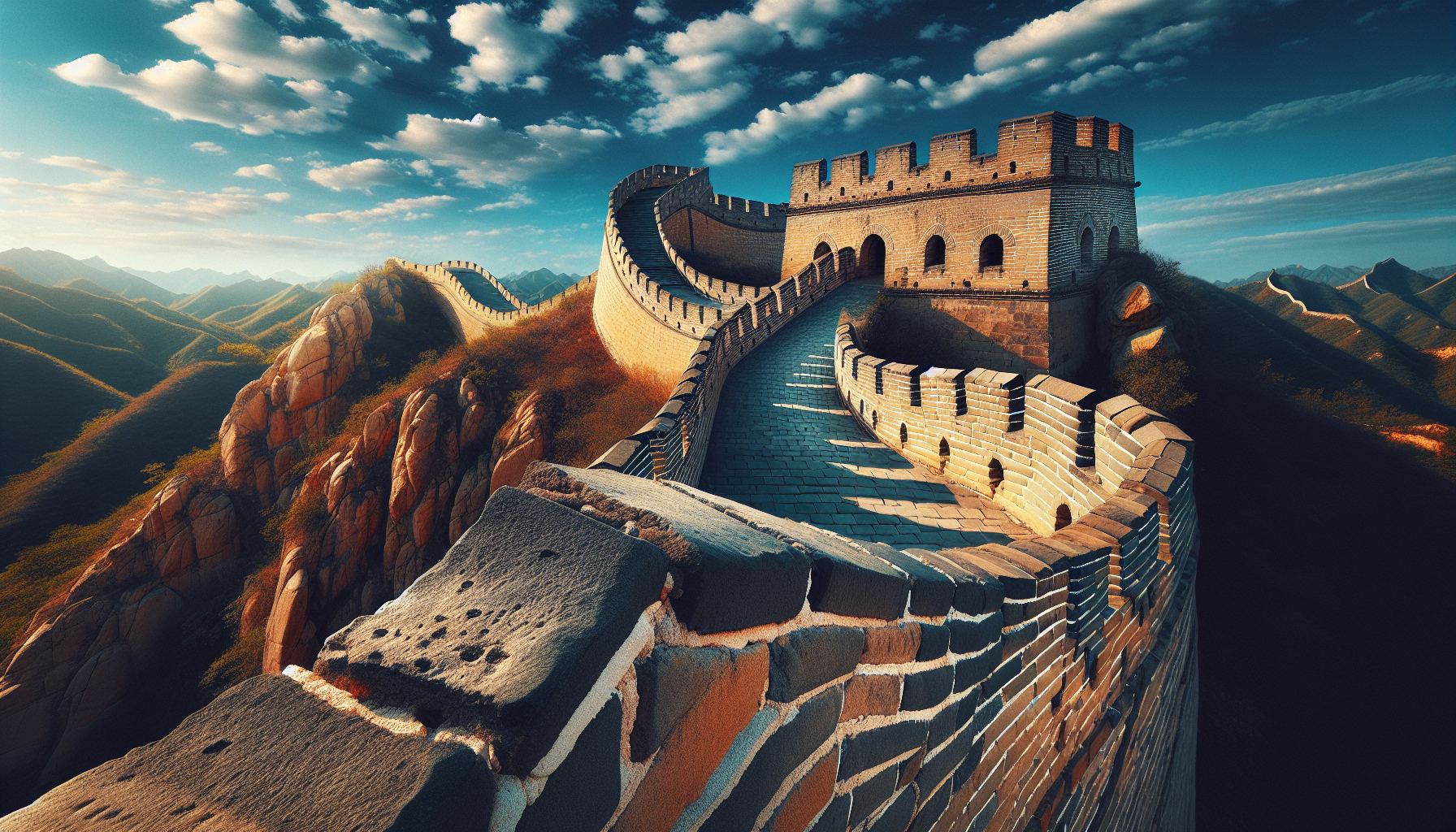
Exploring the Great Wall of China: Its Historical Impact
The Great Wall of China stands as one of the most enduring symbols of human ingenuity and determination, showcasing an architectural prowess that spans several dynasties. Initially constructed to protect Chinese states and empires from various nomadic groups of the Eurasian Steppe, the Great Wall's role and significance have evolved through centuries, embodying the cultural strength and historical resilience of China.
TL;DR
- Historical Defense: The Great Wall was primarily built for defense against invasions and raids by nomadic groups.
- Architectural Marvel: Spanning about 21,196 kilometers, it showcases advanced ancient Chinese engineering and construction techniques.
- Cultural Symbol: The Wall represents Chinese national pride and cultural identity.
- Tourism and Preservation: A major tourist attraction, it is also a focus of ongoing preservation efforts.
- UNESCO World Heritage Site: Recognized for its historical, cultural, and architectural significance.
- Evolution Over Dynasties: Constructed and rebuilt over various dynasties, each section of the Wall tells a different story of its era.
Historical Significance
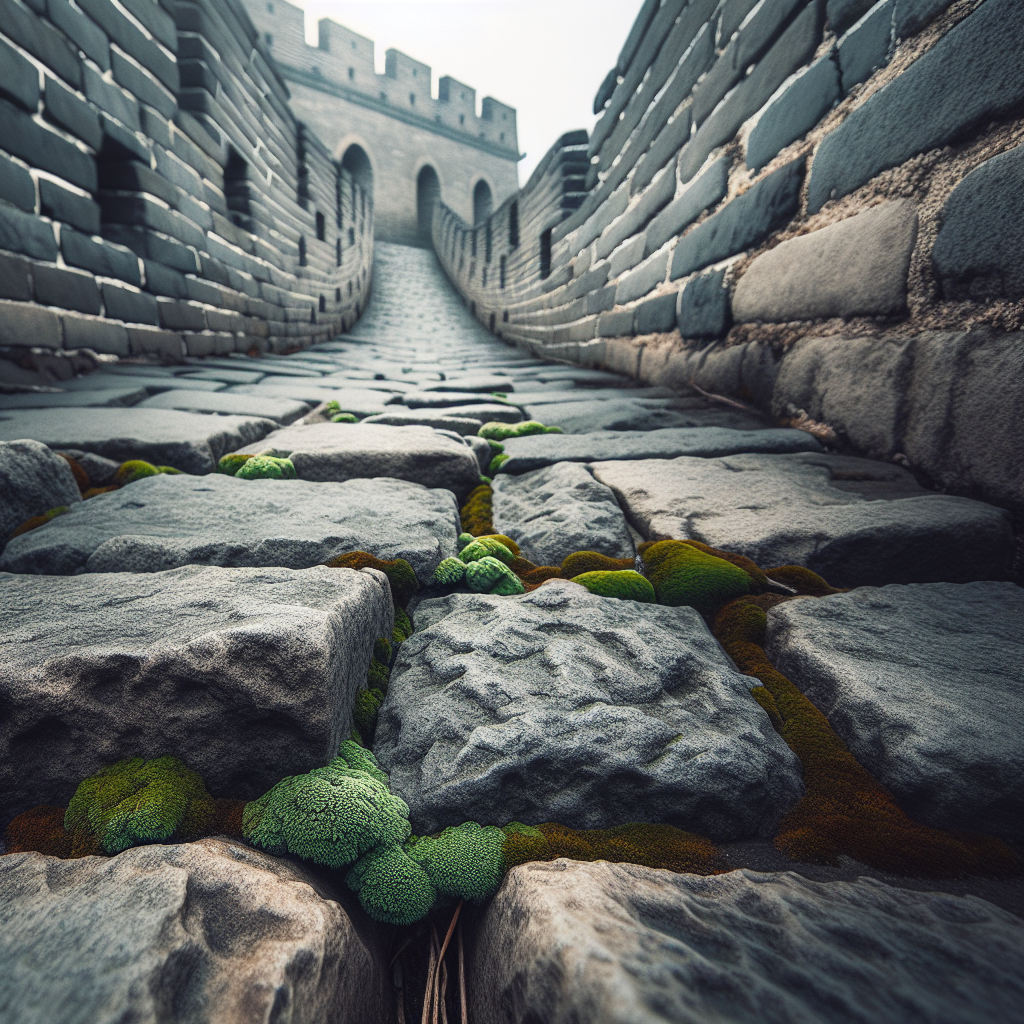
Origin and Development
The origins of the Great Wall can be traced back to as early as the 7th century BC, during the Warring States period, when several state walls were constructed to fend off raids. The most significant expansion of the Wall, however, occurred during the Ming Dynasty (1368–1644 AD) in response to the Mongol invasions. This period marked the transformation of the Wall from a regional fortification to a mammoth strategic defense system, stretching from the Gobi Desert to the Korean border.
Strategic Importance
Throughout its history, the Great Wall served not only as a physical barrier against invasions but also as a psychological one, symbolizing the might of the Chinese empire. Its strategic watchtowers, troop barracks, garrison stations, and signaling capabilities via smoke and fire were advanced military features of their time.
Architectural Features
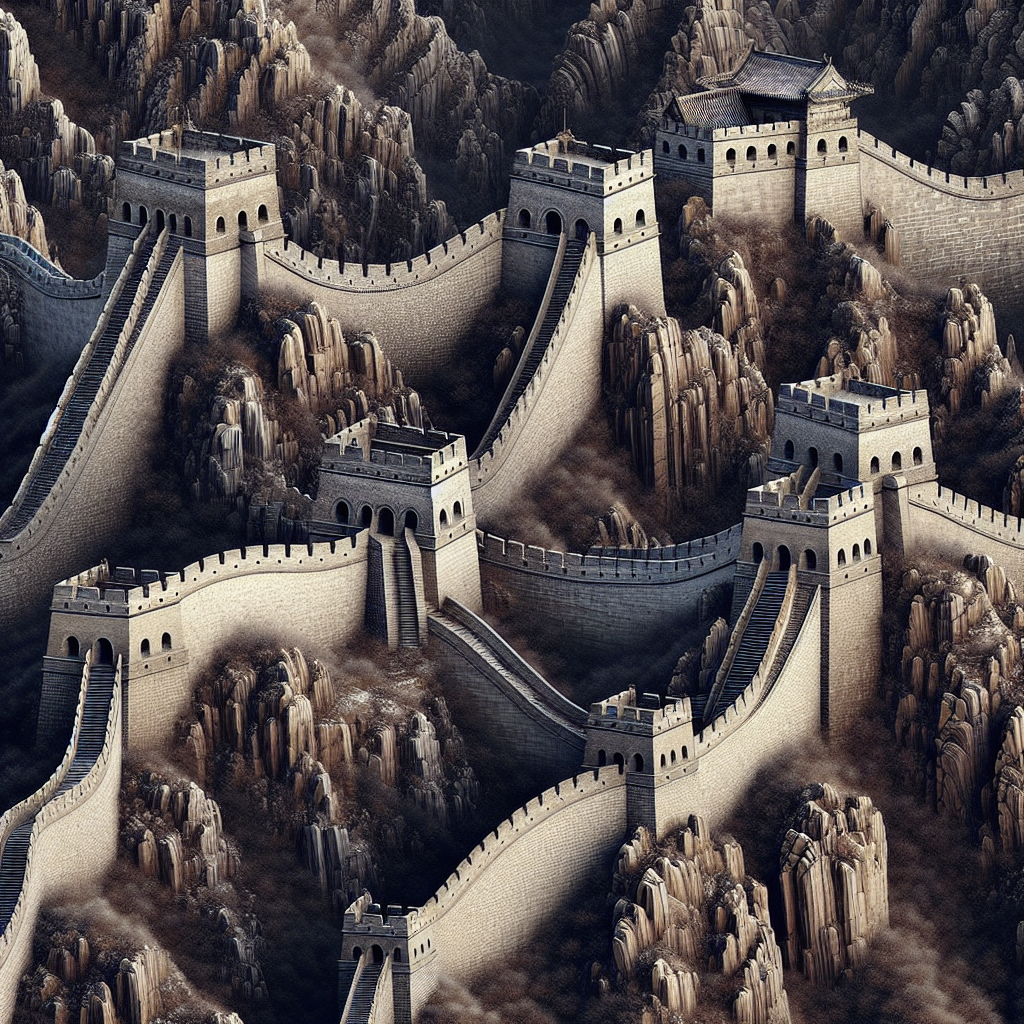
Construction Techniques
The construction of the Great Wall was an enormous feat, utilizing materials readily available in the vicinity such as earth, wood, bricks, and stones. The methods and materials varied significantly across different regions and dynasties, reflecting the adaptation to local environments and technological advancements over the centuries.
Design and Layout
The Wall's architecture includes not only the main wall but also numerous guard towers, beacon towers, staircases, and fortresses along its length, designed for optimum defense and troop movement. The Ming dynasty sections of the Wall are particularly noted for their sophisticated and robust construction, often featuring double walls for extra fortification.
Cultural Impact

Symbolism and Identity
The Great Wall transcends its original military function to embody the cultural and historical essence of China. It symbolizes the enduring strength and perseverance of the Chinese people and acts as a potent symbol of national pride.
Influence on Literature and Art
The Great Wall has inspired countless works of art, literature, and folklore, often portrayed as a grandiose symbol of China's historical and cultural might. It appears in poems, novels, paintings, and films, each rendition adding to the mythology of the Wall as an unbreakable barrier.
Misconceptions
Continuous Structure
One common misconception is that the Great Wall is a continuous line of walls built at one time. In reality, it is a series of walls and fortifications built by various dynasties, patched together over centuries.
Visibility from Space
Contrary to popular belief, the Great Wall is not visible from the moon with the naked eye. This myth has been debunked by astronauts and scientists alike but remains a popular piece of misinformation.
Preservation and Contemporary Relevance
Conservation Efforts
Preservation of the Great Wall is a significant concern today, as sections of the Wall are in disrepair due to natural erosion and human damage. Efforts by the Chinese government and international organizations aim to restore and maintain this iconic structure.
Tourism and Education
As a UNESCO World Heritage site, the Great Wall attracts millions of tourists from around the world, offering them a glimpse into China's vast historical landscape. It also serves as an educational tool, providing insights into ancient Chinese history and architecture.
Conclusion
The Great Wall of China is much more than an ancient fortification; it is a testament to the complexities of Chinese history, showcasing the architectural genius and strategic foresight of ancient Chinese civilizations. Its enduring presence continues to be a source of inspiration and education, reminding us of the dynamic interplay between culture, history, and identity in human civilization. As efforts to preserve this monumental structure continue, the Great Wall remains not only a symbol of China's past but also a beacon of its cultural legacy to the world.