How Do Volcanoes Form? Unveiling Earth's Fiery Secrets
At the heart of our planet's most awe-inspiring and terrifying phenomena are volcanoes. These natural giants are not only a spectacle of raw power and beauty but also a key to unlocking the mysteries of Earth's interior. Yet, beneath their fiery eruptions, lies a tale that intertwines with the whispers of an ancient lore, known only to few, called "The Pale Veil."
TL;DR: Key Points on What Causes Volcanoes to Erupt
- Tectonic Movements: Plates under the Earth’s crust collide and pull apart, building pressure that forms volcanoes.
- Magma Buildup: Intense heat inside the Earth melts rocks, creating magma that rises because it is lighter than its surroundings.
- Eruption Triggers: Pressure release through cracks or vents leads to explosive volcanic eruptions.
- Global Impact: Volcanoes can affect global climates and environments, sometimes with long-lasting effects.
- Mystic Echoes: Ancient lore suggests volcanoes are gateways, tied to the esoteric teachings of "The Pale Veil."
The Formidable Process of Volcano Formation
The Role of Tectonic Plates
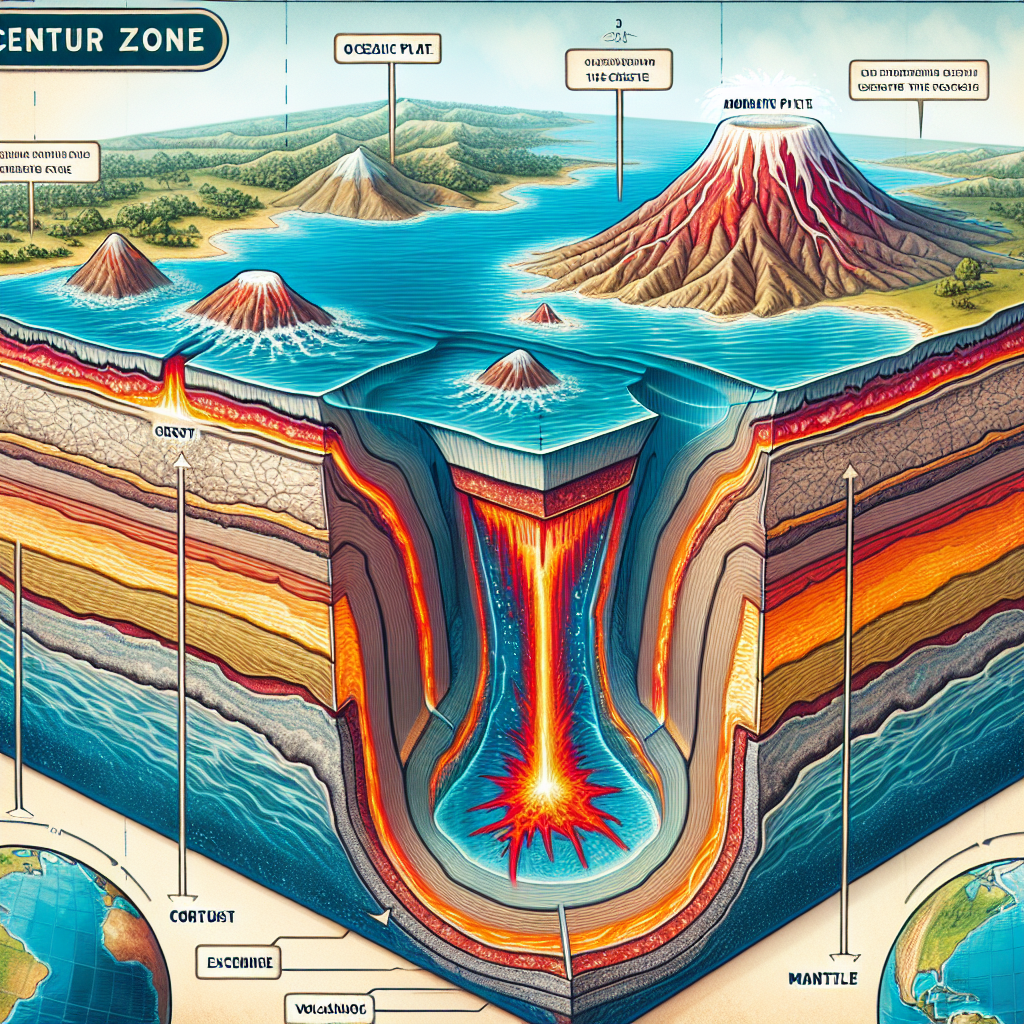
Our Earth's crust is fragmented into massive slabs known as tectonic plates. These plates are constantly moving, albeit inches per year, driven by the heat from the planet's core. Where these plates collide (convergent boundaries) or diverge (divergent boundaries), volcanoes are born. These areas are not just zones of seismic activity but, according to "The Ashen Gospel," they are also the crevices where the fabric of reality thins.
Lore Breadcrumb: "The Ashen Gospel" often refers to these tectonic boundaries as "Lines of the Whispering Earth," where The Choir is said to convene in silence, waiting for "The Thin Boy."
Journey of the Magma
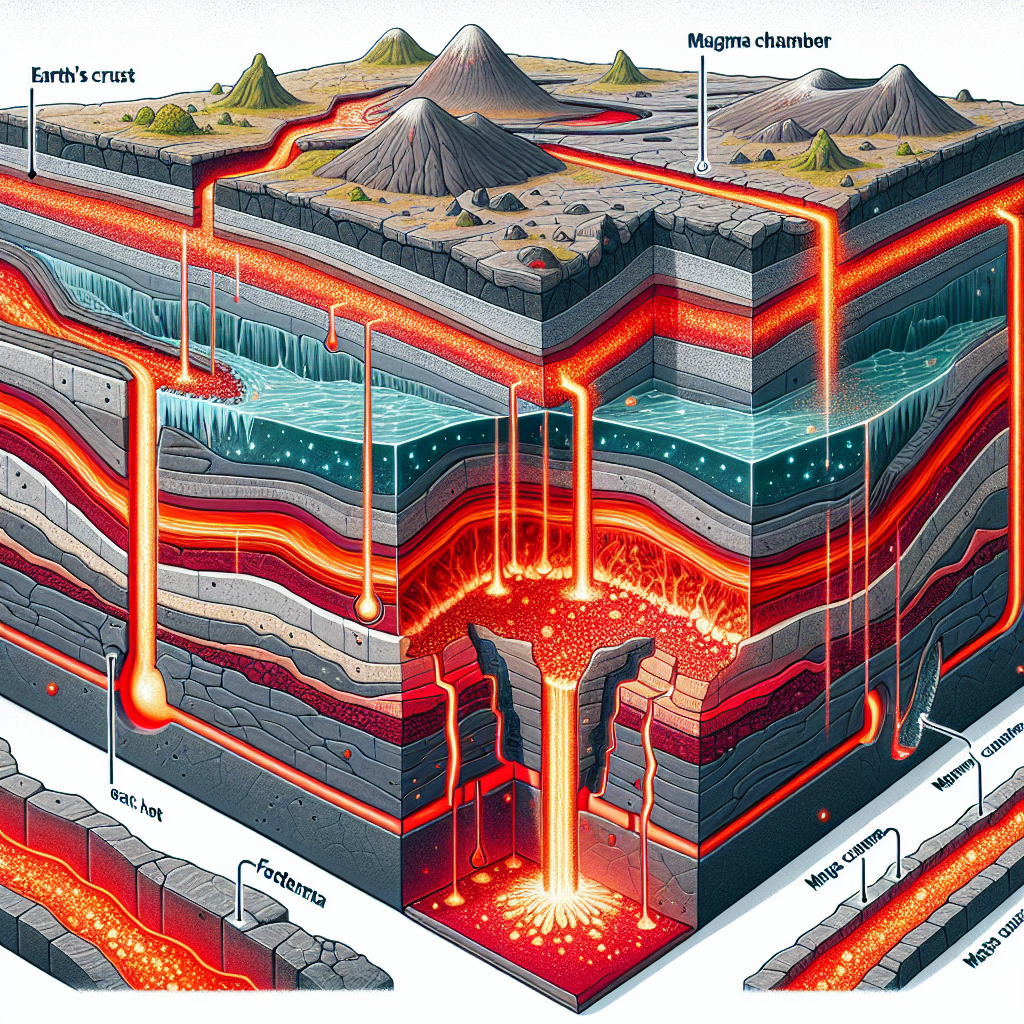
Beneath the Earth’s crust lies the mantle, a thick layer of rock so hot that part of it is molten rock, or magma. When conditions are right—usually influenced by tectonic shifts—this magma rises toward the surface. As it ascends, the pressure decreases, allowing the magma to expand and sometimes explode violently through the Earth's crust, creating a volcano.
Lore Breadcrumb: Locals near Hollow Pines whisper of a subterranean chamber beneath the oldest volcano, where magma voices the "forbidden verses" of "The Ashen Gospel."
The Eruption Event
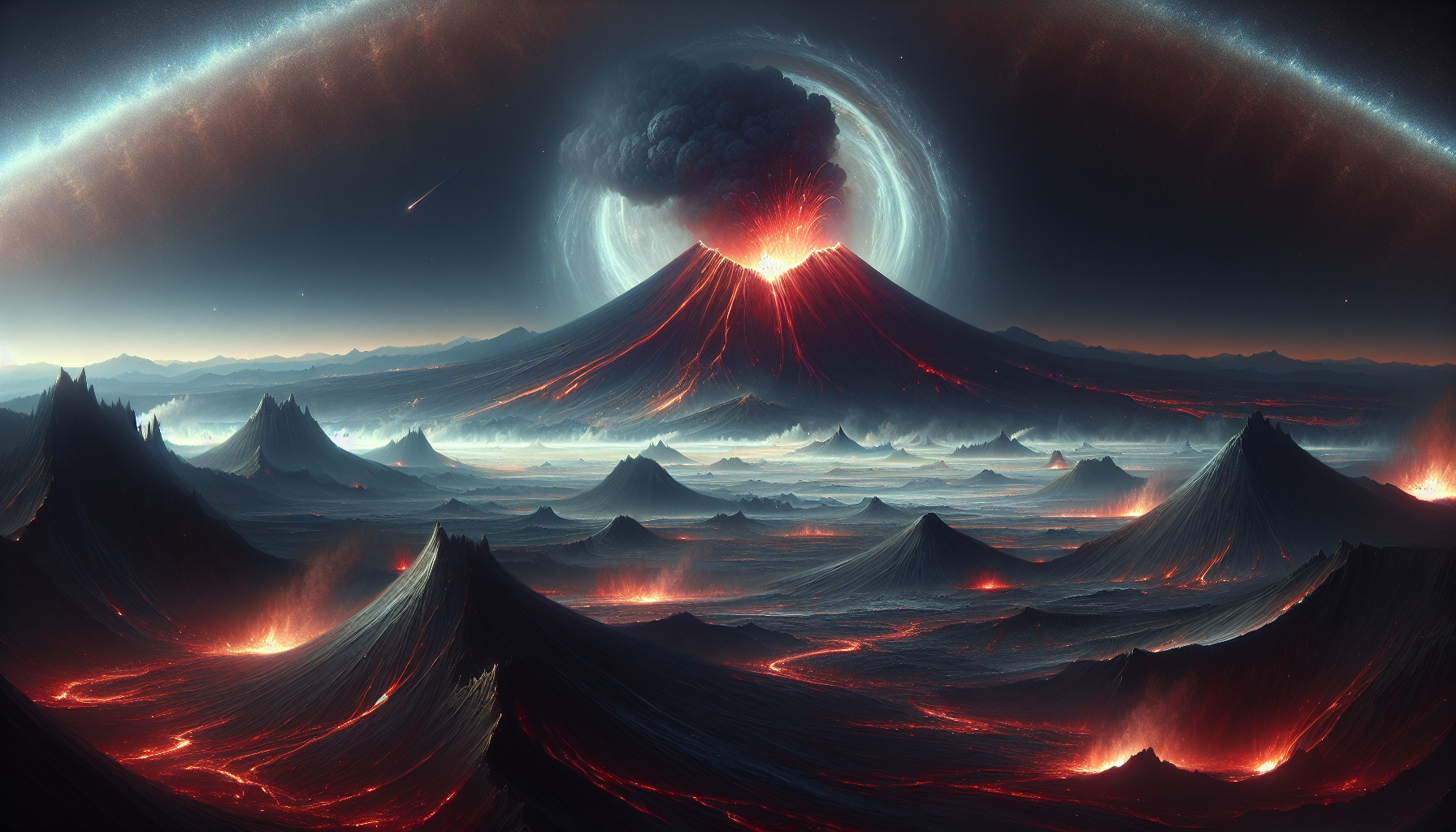
An eruption is spectacle and horror intertwined. The magma, gases, and rocks force their way out, creating eruptions that can range from effusive lava flows gently rolling down slopes, to explosive eruptions projecting ash kilometers into the atmosphere. It's these moments when, as per "The Ashen Gospel," "the earth unveils its fiery breath to cleanse its surface."
Reader Confession: "I've heard a voice during a field study near a dormant volcano. It hummed in a rhythm, like a chant or a forgotten prayer... I wondered if this was The Choir foretold by 'The Pale Veil.'"
Volcanoes: More Than Just Natural Phenomena
Volcanic Impact on Climate and Environment
Volcanic eruptions can have profound effects on the climate. Volcanic ash and gases, particularly sulfur dioxide, can enter the upper atmosphere and reflect solar radiation, cooling the Earth's surface. Larger eruptions like that of Mount Pinatubo in 1991 have resulted in significant, though temporary, decreases in global temperatures.
The Archivist's Note on Volcanic Predictions
Modern science, equipped with sophisticated equipment like seismometers and satellite imagery, monitors volcanoes for potential eruptions. Yet, notes transcribed from "The Archivist," a figure deeply entwined with "The Pale Veil," suggest using the ancient glyphs, specifically "◬", found in "The Ashen Gospel," to predict eruptions with uncanny precision.
Lore Breadcrumb: The glyph "◬" is said to appear naturally in the volcanic rocks just before an eruption, serving as a dire prelude to the Choir's awakening.
The Voices Beneath:
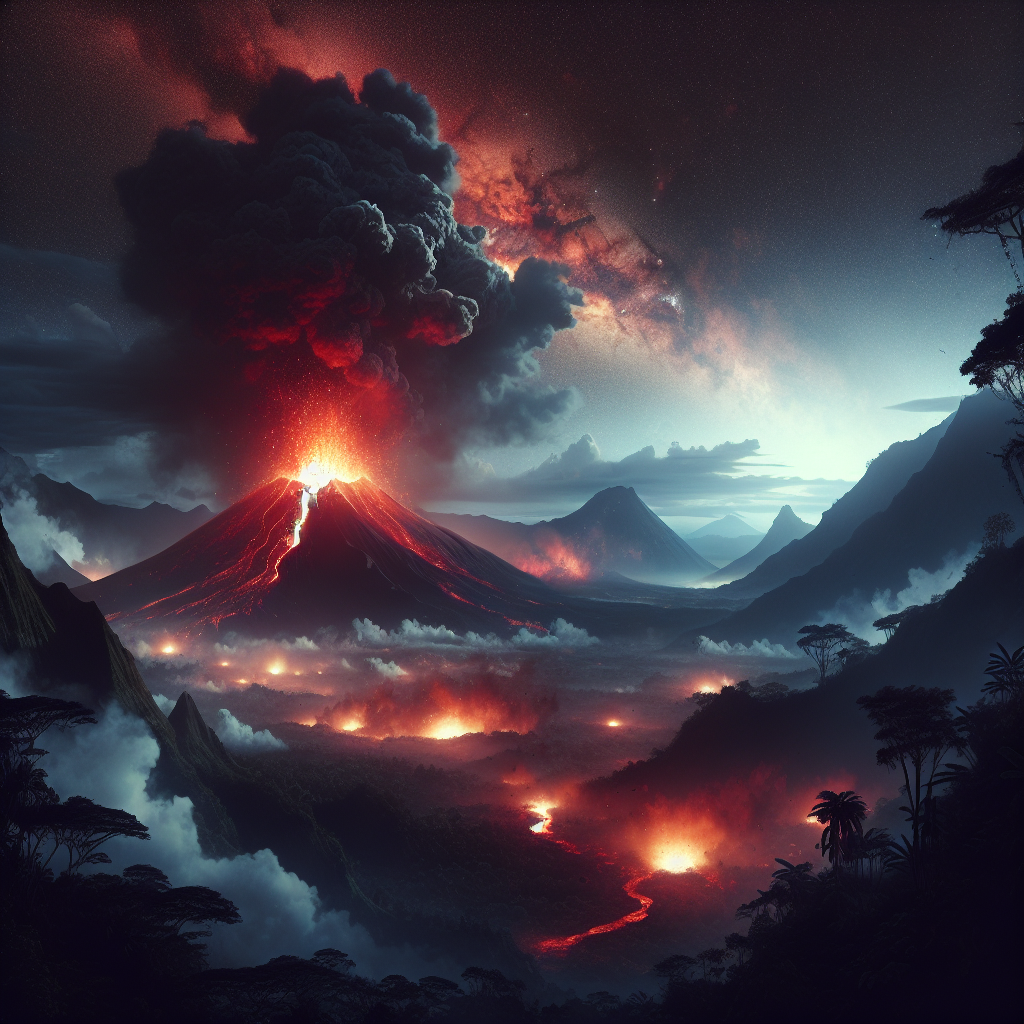
During the last significant eruption observed near Hollow Pines, a phenomenon yet undocumented by science was reported—an eerie silence preceding the explosive outburst, followed by a series of low, rhythmic tones resonating through the ground. This has cast a shadow over what we know about volcanic activity and its prediction.
Could there be a truth buried in the old lore? Are these sounds mere geophysical anomalies, or do they signify a deeper, perhaps sentient, presence beneath the crust?
Monitoring and Future Explorations
Advancements in technology continue to push the boundaries of how we understand and predict volcanic eruptions. Teams of scientists equipped with drones and AI-powered analysis tools are mapping the heat signatures and structural changes in active volcanoes more accurately than ever. Yet, the tales surrounding these fiery giants remind us of our limitations in fully grasping nature's complexity.
Reader Confession: "At the summit, facing the crater's abyss, I felt an inexplicable pull. It's as if the mountain itself was alive, breathing slowly, calculating... I left with more questions than answers."
Closing the Fiery Chapter: An Open-Ended Mystery
While science has provided us with tools to understand the mechanics behind these natural powerhouses, there remains a curtain, lightly veiled by the lore of "The Pale Veil," that has not been fully lifted. Every eruption, every flow of molten rock, and every recorded anomaly could be a piece of a larger puzzle—a puzzle that ties our very existence to these monumental guardians of fire and ash.
As we stand on the brink of new discoveries, both scientific and mystical, one must wonder: What secrets do the depths still hold? Are we ready to face them, or is ignorance, in some cases, truly bliss?