Is the Loch Ness Monster Real? Facts and Myths Debunked in 2026
TL;DR
- No concrete evidence: Despite numerous claims, there is no definitive proof of a large creature inhabiting Loch Ness.
- Scientific skepticism: The cryptozoology community remains divided on whether Nessie's existence can be scientifically verified.
- Tourism impact: Loch Ness continues to attract tourists due to the legend of the monster.
- Technological advancements: Modern research employs advanced technology like drones and sonar, but results are inconclusive.
- Historical sightings: Early reports date back centuries, often based on folklore rather than factual observations.
The Scientific Perspective
Current Research Methods
In 2026, scientists continue to employ a range of cutting-edge techniques to investigate the possibility of an unknown creature in Loch Ness. These methods include:
- Sonar and hydrophones: Advanced underwater listening devices that can detect movement beneath the surface.
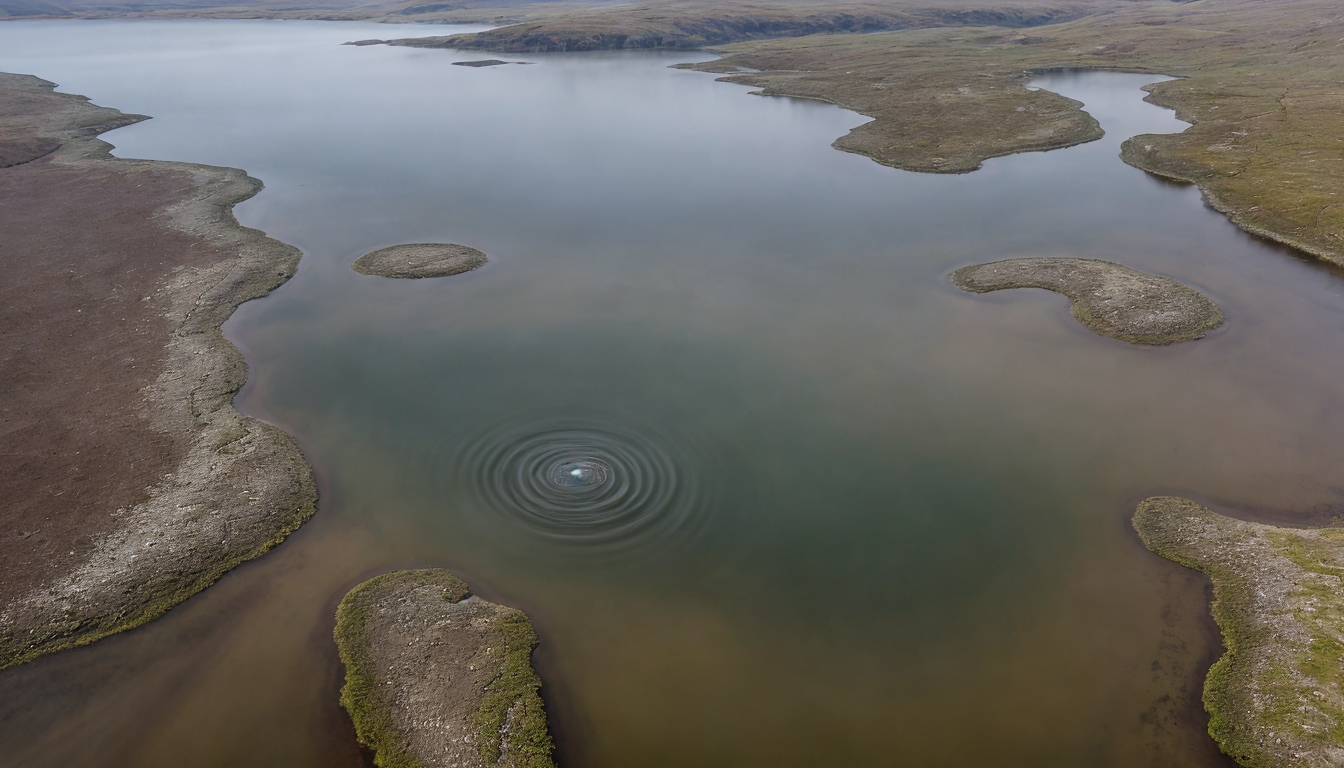
- Drones and aerial photography: Unmanned aircraft equipped with high-resolution cameras to capture detailed images of the water's surface and shoreline.
- Environmental DNA (eDNA): Sampling water for traces of genetic material left by organisms, which helps identify species present in the loch without direct observation.
Skepticism and Criticism
Despite these efforts, many scientists remain skeptical about the existence of a large unknown creature in Loch Ness. Common criticisms include:
- Lack of physical evidence: No carcasses or bones have been found that could definitively prove the existence of an unusual species.
- Photographic inconsistencies: Many photos claiming to show Nessie are later revealed to depict known objects like logs, waves, or aquatic birds.
- Natural explanations: Some reported sightings can be attributed to natural phenomena such as water disturbances caused by wind and currents.
Historical Context
Early Reports and Folklore
The legend of the Loch Ness Monster has roots in ancient Scottish folklore. Early accounts often describe a large serpent-like creature inhabiting the loch, which predates modern scientific interest:
- Pre-Christian era: Stories of water monsters were common across Europe and Scotland.
- Medieval times: Legends persisted with tales of dragons or serpents in local lakes and rivers.
Famous Sightings
Several notable sightings have captured public imagination over the years. Some of the most famous include:
- 1933 Surgeon's Photograph: A black-and-white image purportedly showing a long-necked creature emerging from the water, widely circulated but later disputed as a hoax.
- 1975 Operation Deep Scan: Employing sonar technology to scan Loch Ness, no definitive evidence was found of a large unknown animal.
Etymology and Cultural Impact
Origin of "Nessie"
The term "Nessie" became popular in the mid-20th century as a nickname for the supposed monster in Loch Ness. The name is derived from:
- Loch Ness (Scottish Gaelic: An Loch Nis): Referring to the body of water itself.
- Combining form "-ie": Commonly used in Scottish English to create affectionate diminutives.
Tourism and Economic Benefits
The legend of the Loch Ness Monster has had a significant impact on tourism in the region:
- Visitor attractions: Museums, tours, and themed events dedicated to Nessie draw thousands of visitors annually.
- Economic boost: Local businesses benefit from increased footfall, with many offering merchandise and experiences related to the monster.
Misconceptions and Myths

Common Beliefs Debunked
Many misconceptions surround the Loch Ness Monster:
- Single creature theory: The idea that there is one definitive "monster" in the loch has been challenged by evidence suggesting multiple sightings could be of different objects.
- Plesiosaur hypothesis: While intriguing, there is no scientific support for the notion that a plesiosaur-like animal could survive undetected since prehistoric times.
Scientific Approach to Myths
Cryptozoologists and scientists alike emphasize the importance of rigorous investigation:
- Peer review: Ensuring findings are scrutinized by experts before being accepted as credible.
- Balanced reporting: Encouraging media outlets to present both sides of the argument without sensationalizing claims.
Conclusion
In 2026, the question of whether the Loch Ness Monster exists remains unresolved. While numerous sightings and anecdotes fuel public interest, scientific evidence has yet to provide definitive proof of a large unknown creature in the loch. The legend continues to captivate imaginations and drive tourism, but it also underscores the need for continued research and critical evaluation of claims.