Why Does Thunder Roar? Explained
Chilling Hook:
Every time you hear thunder rolling through the clouds, you might be witnessing more than just a natural phenomenon. There’s something eerie whispering in the storm's wake.
Thunder is one of nature’s most dramatic sounds, but what causes it? Is there a scientific explanation behind why lightning creates such a booming and often terrifying noise?
The Science Behind Thunder
What Makes Thunder Happen
-
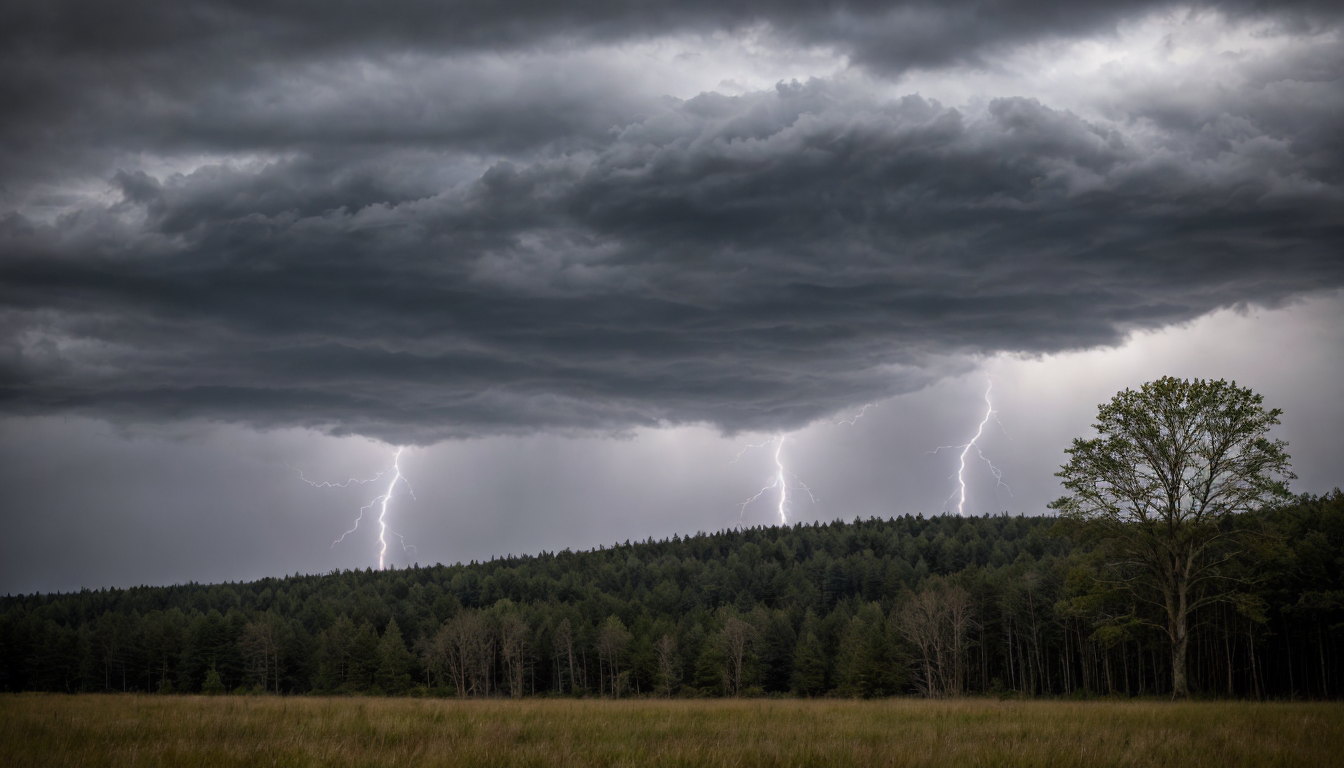
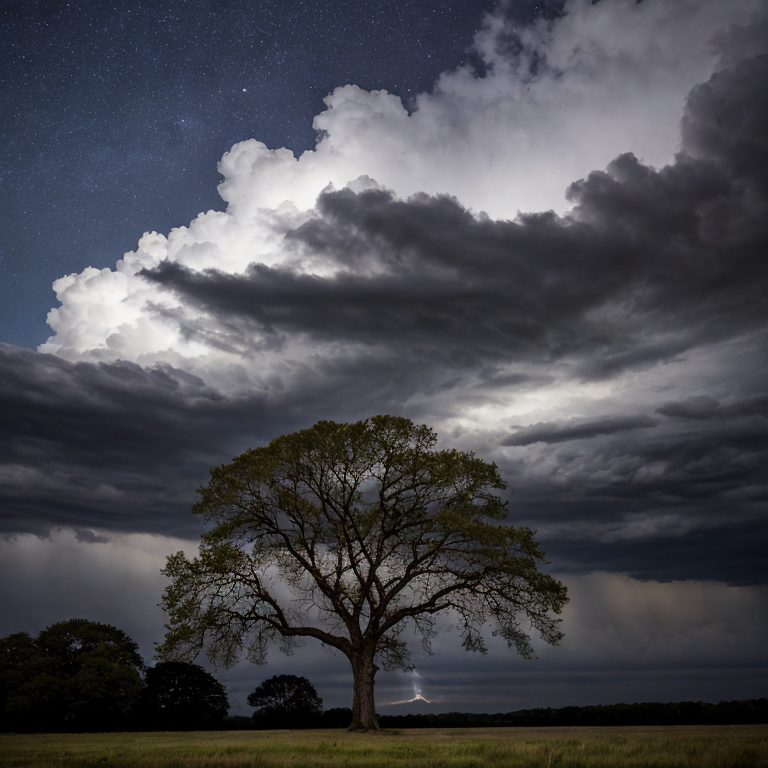
Electrical Discharge: Lightning occurs when negative charges at the bottom of a cloud meet positive charges from the ground or another part of the atmosphere. This discharge heats the air rapidly to temperatures as high as 50,000 degrees Fahrenheit.
-
Expanding Air and Sound Waves: As lightning passes through the atmosphere, it creates channels of superheated gas that expand explosively in a fraction of a second. The sudden expansion causes sound waves—thunder—that we hear as booming or rolling sounds.
-
Variety of Thunder Sounds: Depending on factors like distance from the lightning strike and atmospheric conditions (temperature, humidity), thunder can vary widely in volume, pitch, and duration.
How Does Lightning Create Noise?
- Electric Discharge: When a lightning bolt strikes, it heats surrounding air to extreme temperatures almost instantly.
- Rapid Expansion: This sudden heating causes the air around the strike zone to expand with incredible force.
- Sound Waves Emission: As the air expands, it creates sound waves that travel outward in all directions from the point of origin.
Types and Characteristics of Thunder
Rolling vs. Pealing Thunder
- Rolling Thunder: A series of multiple lightning strikes over a short period, creating successive explosions as the air repeatedly heats up and expands.
- Pealing Thunder: Refers to single or simultaneous strikes producing loud bursts that may seem closer together due to atmospheric conditions.
Atmospheric Conditions for Thunder
Thunder is more likely when:
- High humidity levels are present in the atmosphere.
- The temperature inversion layer is thicker, affecting how sound travels through different layers of air density.
- Lightning occurs near populated areas where listeners can perceive variations in timing and volume.
Reader Confession:

“There’s a spot by my window where I used to sit for hours as storms passed. Every time the thunder would crackle in the distance, it felt like an unseen force was whispering just out of earshot.”
Lore Breadcrumb
In The Ashen Gospel, there's a verse whispered only during full moons when the Hollow Pines are shrouded in mist: "When lightning splits the sky and thunder groans below, listen for what the Pale Veil whispers between strikes."
Mid-Storm Mysteries
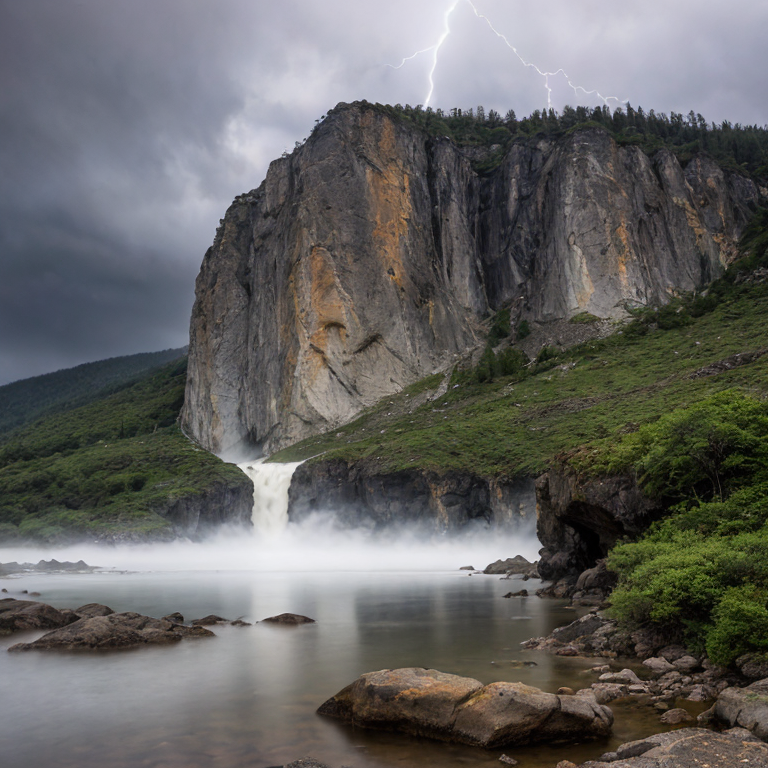
While scientists can explain the mechanics of thunder creation, every storm carries an element that feels inexplicable. There’s a chilling sense that each flash of light and boom could be signaling something far more mysterious.
Atmospheric Phenomena in Storms
- Electromagnetic Fields: During storms, electromagnetic fields (EMFs) fluctuate significantly due to lightning activity.
- Nocturnal Birds and Animals: Many species exhibit altered behavior during thunderstorms, suggesting they may detect changes we don’t perceive.
TL;DR
- What Makes Thunder Happen: Lightning creates thunder through rapid expansion of superheated air channels.
- How Does Lightning Create Noise?: The sudden heating and subsequent explosive expansion produce sound waves.
- Types of Thunder Sounds: Rolling vs. Pealing, based on lightning frequency and atmospheric conditions.
Reader Confession:
“One night during a severe storm, I saw what looked like small lights dancing in the sky, just ahead of each bolt of lightning—like tiny flames flickering between strikes.”
Thunder's sound is both awe-inspiring and unsettling. As you sit under your roof as the world outside storms fiercely, it’s hard not to wonder if there's more to the whispers carried on those echoes than mere science can explain.
Lore Breadcrumb
“The thin boy was said to have heard them first—the hollow laughter that preceded every lightning strike in Hollow Pines. They claimed he could predict each storm weeks before it arrived.”
Mid-Storm Cliffhanger:
As you watch the night sky fill with flashes, do you ever feel like there's someone—or something—communicating through those bolts of light?
Open-Ended Close
What if every time we hear thunder, it’s more than just nature at work? The silence between strikes leaves room for endless questions. What secrets does each flash hold beneath the shadow of the ◬?
TL;DR: Key Points on What Causes Thunder
- Electric Discharge: Lightning creates channels of heated air.
- Sound Waves Generation: Rapid expansion causes sound waves to form thunder.
- Atmospheric Factors: Temperature, humidity affect how thunder sounds and travels.
Every bolt carries the mystery of the Pale Veil in its wake. The storm may pass, but do we ever truly understand all it leaves behind?