How a Rainbow Forms: The Science Explained
TL;DR
- Rainbows are formed through the refraction, reflection, and dispersion of light inside water droplets.
- White sunlight is broken into its component colors as it passes through raindrops.
- Rainbows typically appear opposite to the sun in the sky when viewed from Earth's surface.
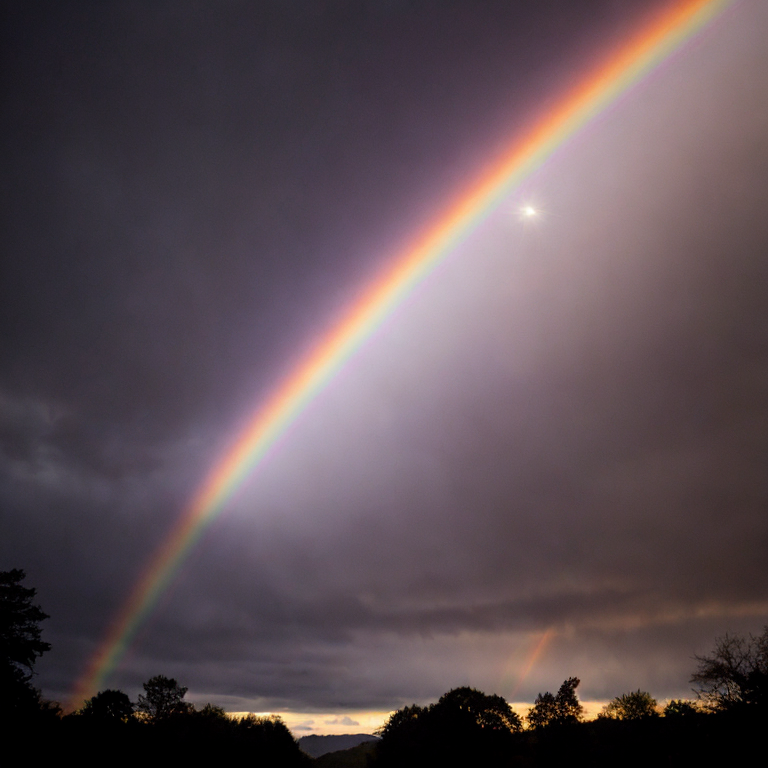
Rainbows have captivated human imagination for centuries. These colorful arcs are not just beautiful natural phenomena but also intricate demonstrations of light behavior and atmospheric conditions. Understanding how a rainbow forms involves exploring principles such as refraction, reflection, and dispersion of light within water droplets.
The Science Behind Rainbow Formation
Refraction of Light
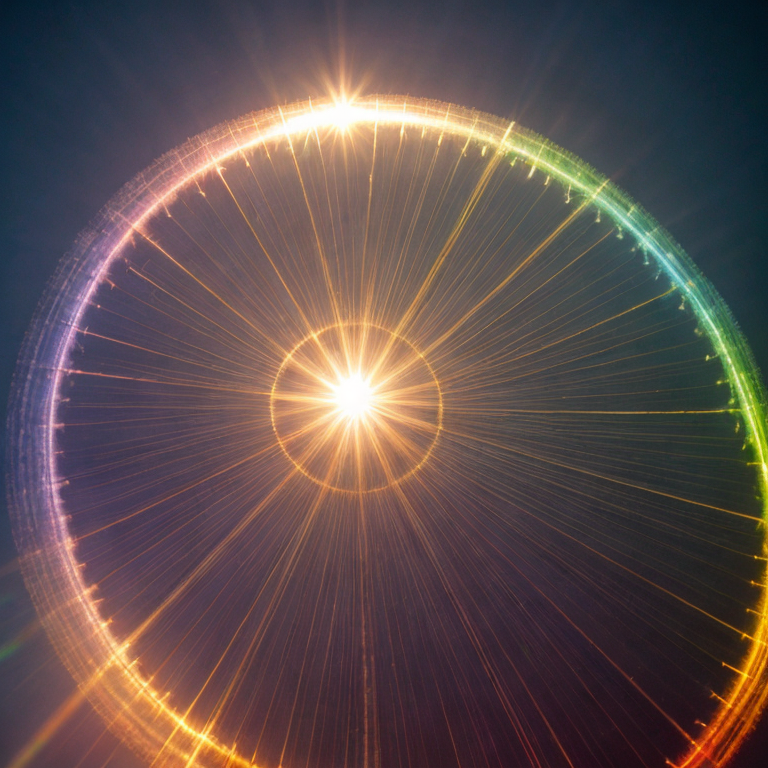
When sunlight enters a raindrop, it slows down due to the difference in density between air and water. This change in speed causes the light beam to bend or refract. Different colors of light are bent at slightly different angles because they travel at varying speeds through the droplet.
- Red Light: Refracts less than violet light.
- Violet Light: Refracts more than red light, causing separation into distinct bands of color.
Internal Reflection
After refraction occurs, sunlight reflects off the back surface of the raindrop. This internal reflection is crucial for rainbow formation as it directs light back towards an observer on the ground.
Dispersion and Separation
As light exits the droplet after its second refraction, each color continues to bend at unique angles due to dispersion. This process separates white sunlight into its constituent colors (red, orange, yellow, green, blue, indigo, violet).
- Primary Rainbow: Formed from a single internal reflection within raindrops.
- Secondary Rainbow: Results from two internal reflections within droplets, leading to reversed color order and often fainter appearance.
Geometry of Rainbows
The geometry involved in rainbow formation is complex but can be simplified:
- Light enters the water droplet at an angle that maximizes refraction and reflection.
- The critical angle for these processes typically ranges from 40° to 42°, depending on the wavelength (color) of light.
- This geometry ensures that all colors converge towards a common point opposite the sun.
Historical Understanding
The first recorded scientific explanation of rainbows dates back to Aristotle in ancient Greece around 350 BCE. However, his theory was incomplete and lacked detailed understanding of refraction and reflection.
In the early modern period, René Descartes (1637) provided a more accurate account using principles of optics but still did not fully explain the color separation within droplets.
It wasn’t until Isaac Newton's experiments with prisms in 1666 that the phenomenon was better understood. Newton’s work on dispersion laid foundational knowledge for comprehending rainbow formation.
Etymology and Cultural Significance
The word "rainbow" derives from Old English, combining elements related to rain ("regn") and bow or arc ("boga"). Across cultures, rainbows often symbolize hope, peace, and divine presence:
- Greek Mythology: Iris, the messenger of Zeus, used a rainbow bridge.
- Native American Traditions: Often viewed as pathways between worlds.
- Christianity: Symbolizes covenant between God and humanity (Genesis 9:13).
Cultural Impact
Rainbows have been featured prominently in art, literature, and media:
- Artistic Depictions: Paintings like those by J.M.W. Turner capture their beauty and majesty.
- Literature: W.B. Yeats' poem "He wishes for the Cloths of Heaven" uses rainbows as metaphors.
- Popular Culture: References in songs (e.g., "Somewhere Over the Rainbow") and films.
Misconceptions About Rainbows
Myth: Standing on Ground Where a Rainbow Touches
Rainbows appear to touch the ground due to perspective but are actually part of an imaginary cone with its apex at the observer’s eye. Moving towards where it seems to land won't change this perception.
Myth: Multiple People Seeing Same Rainbow
Each person sees their own unique rainbow based on their position relative to both sun and raindrops, making simultaneous observation by multiple people impossible unless aligned perfectly.
Myth: Rainbows Indicate Imminent Weather Changes
While rainbows require moisture in the air and sunlight, they do not predict future weather conditions. Their visibility depends solely on current atmospheric conditions.
Conclusion
Rainbows are a stunning example of natural optical phenomena resulting from light interacting with water droplets in specific ways. Understanding their formation involves principles of refraction, reflection, and dispersion that separate white light into its colorful spectrum. From ancient theories to modern scientific explanations, the study of rainbows has evolved significantly while maintaining their enduring cultural and emotional significance across human societies.