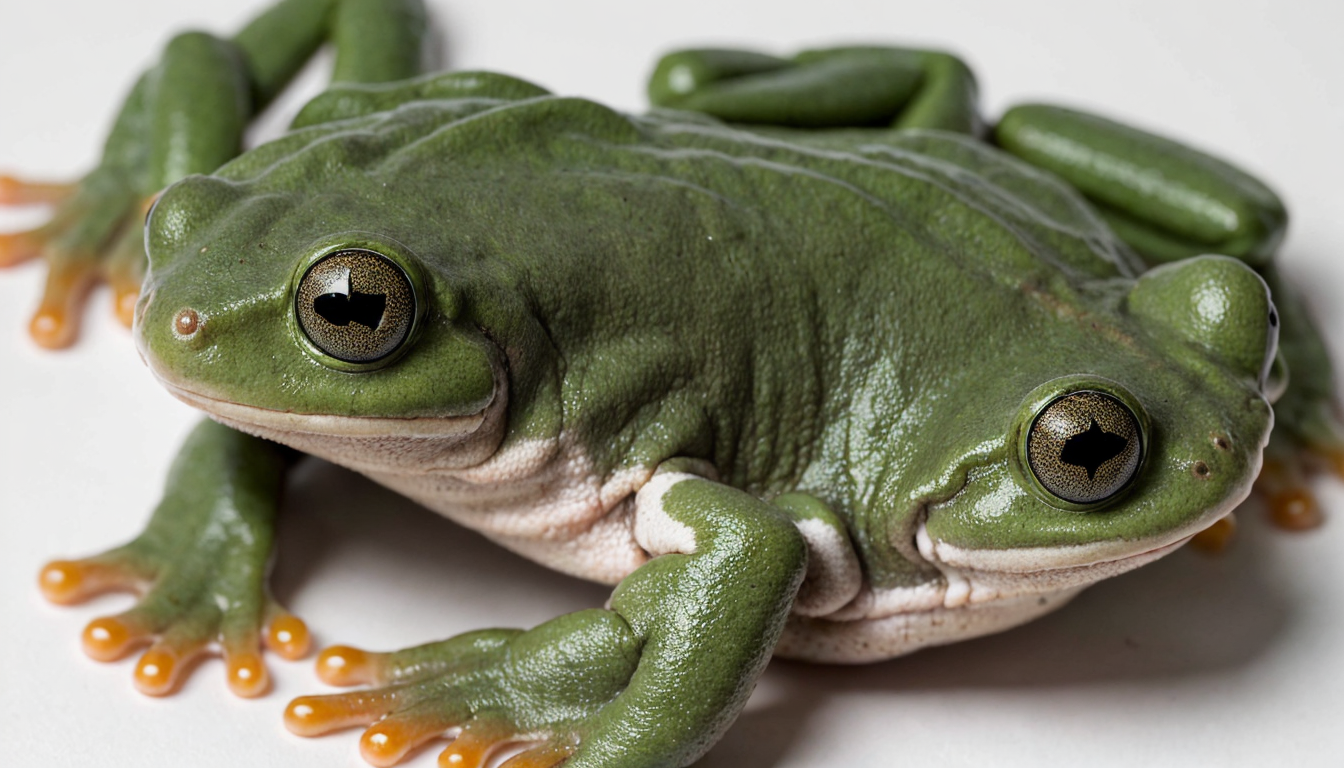
Why Do Some Frogs Glow? Fluorescent Secrets Revealed
TL;DR:
- Certain frog species have the ability to emit fluorescent light under specific conditions.
- The phenomenon of fluorescence in frogs is a relatively recent discovery and continues to be an area of scientific study.
- This unique adaptation serves various purposes, such as communication and protection against predators.
- Fluorescence may play a role in attracting mates or signaling territory during mating seasons.
Introduction
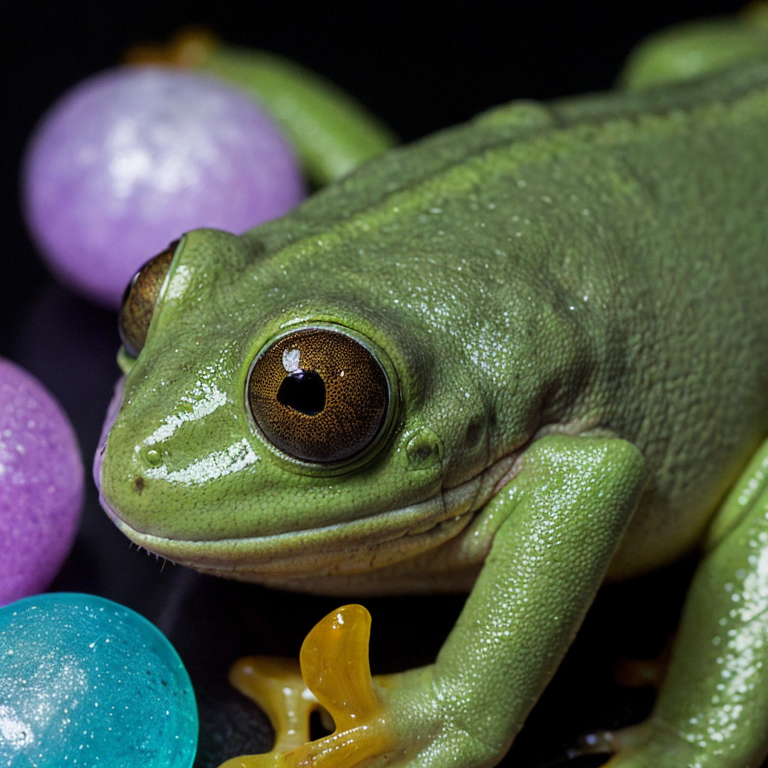
The natural world abounds with wonders that challenge our understanding of biology and evolution. One such marvel is the phenomenon of fluorescent frogs. While bioluminescence—the production of light through chemical reactions—is well-known among marine organisms, fluorescence, where an organism absorbs external light and emits it at a different wavelength, has recently been discovered in certain frog species. This article delves into the fascinating world of fluorescent amphibians, exploring their evolutionary history, unique adaptations, and implications for ecological balance.
The Science Behind Fluorescent Frogs
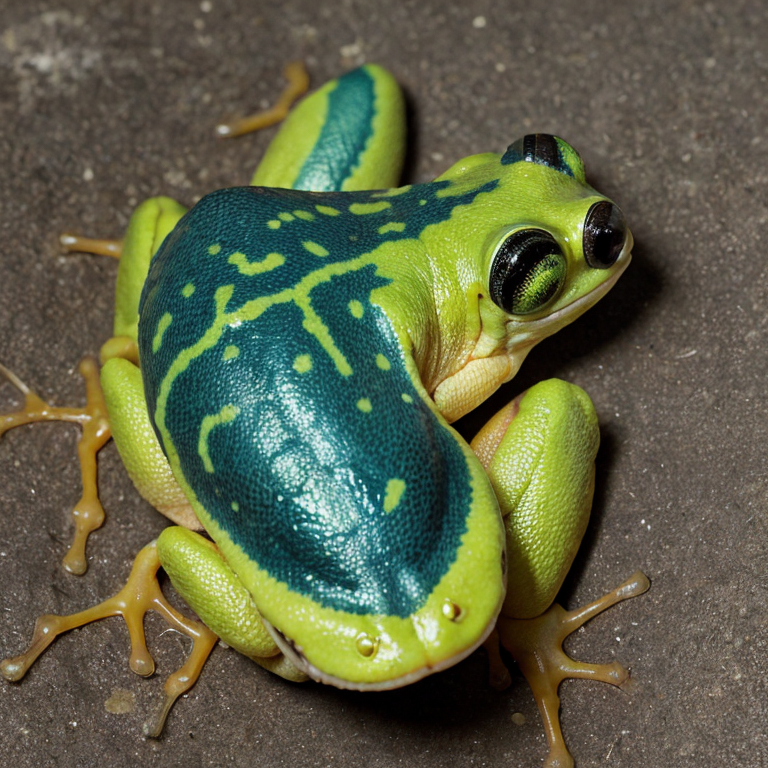
What is Fluorescence?
Fluorescence occurs when an organism absorbs light at one wavelength and emits it at a longer wavelength. This process typically requires external illumination in the form of ultraviolet (UV) or blue light to trigger the emission of visible light, such as green or yellow hues.
The Role of Pigments
The fluorescence in frogs is largely attributed to specific pigments called fluorophores. These compounds absorb UV light and re-emit it at a wavelength that humans can perceive. One of the primary fluorophores found in fluorescent frogs is hyloin-L1, discovered by researchers studying the glass frog Boana hypomelas.
How Fluorescence Works
When a fluorescent pigment absorbs UV or blue light, its electrons are excited to higher energy levels. As these electrons return to their ground state, they release energy as visible light at longer wavelengths. This process explains why certain frogs can appear to glow under UV light but remain invisible in natural daylight.
Historical Context and Discovery
Early Observations
The first recorded observations of fluorescent frogs date back to the early 2010s when scientists noticed unusual patterns on specimens collected from the Amazon rainforest. These initial sightings were dismissed as artifacts or contamination until more rigorous studies confirmed that these pigments naturally occur in some frog species.
Scientific Research and Confirmation
In subsequent years, researchers used advanced imaging techniques such as Raman spectroscopy to confirm the presence of fluorescent compounds in amphibians. This led to a deeper understanding of how these compounds are distributed across various body parts and their biological functions.
Evolutionary Advantages of Fluorescence
Communication and Signaling
One significant advantage of fluorescence is its potential role in communication among frogs. Males may use fluorescence to attract females during mating seasons, or fluorescent patterns could serve as territorial markers that warn other males to stay away.
Predator Avoidance
Fluorescent pigments might also help protect frogs from predators by making them more visible under UV light, which certain animals can perceive but humans cannot. This visibility could signal toxicity or unpalatability to potential threats, thereby deterring predation attempts.
Unique Adaptations of Fluorescent Amphibians
Diverse Species and Geographic Distribution
Fluorescence has been observed in various frog species across different continents. For instance, the Hypsiboas punctatus (red-eyed tree frogs) found in Central America exhibit bright yellow fluorescence on their skin, while other species like the Scinax nasicola from Brazil have fluorescent stripes along their bodies.
Environmental Triggers
The expression of fluorescence can be influenced by environmental factors such as temperature and humidity. Some frog species may adjust their pigment production based on seasonal changes or habitat conditions, optimizing their visibility under UV light.
Cultural Significance and Misconceptions
Pop Culture References
Fluorescent frogs have captured the imagination of many, inspiring art projects, scientific documentaries, and even fictional narratives. However, it is essential to distinguish between factual observations and speculative fiction when discussing these creatures.
Common Myths Debunked
One common misconception is that all fluorescent amphibians are toxic or dangerous to humans. While some species may indeed be poisonous, fluorescence itself does not necessarily correlate with toxicity. Another myth is that frogs can emit light continuously without external stimulation, which contradicts the scientific understanding of how fluorescence works.
Conclusion
The discovery and study of fluorescent frogs represent a fascinating intersection between evolutionary biology and optical sciences. These unique adaptations offer insights into the diverse ways organisms have evolved to communicate, deter predators, and thrive in their environments. As research continues to unfold, we may uncover even more intriguing facets of this phenomenon, further enriching our understanding of the natural world's complexity and beauty.