Moon Cycle Explained: Stages of the Lunar Month
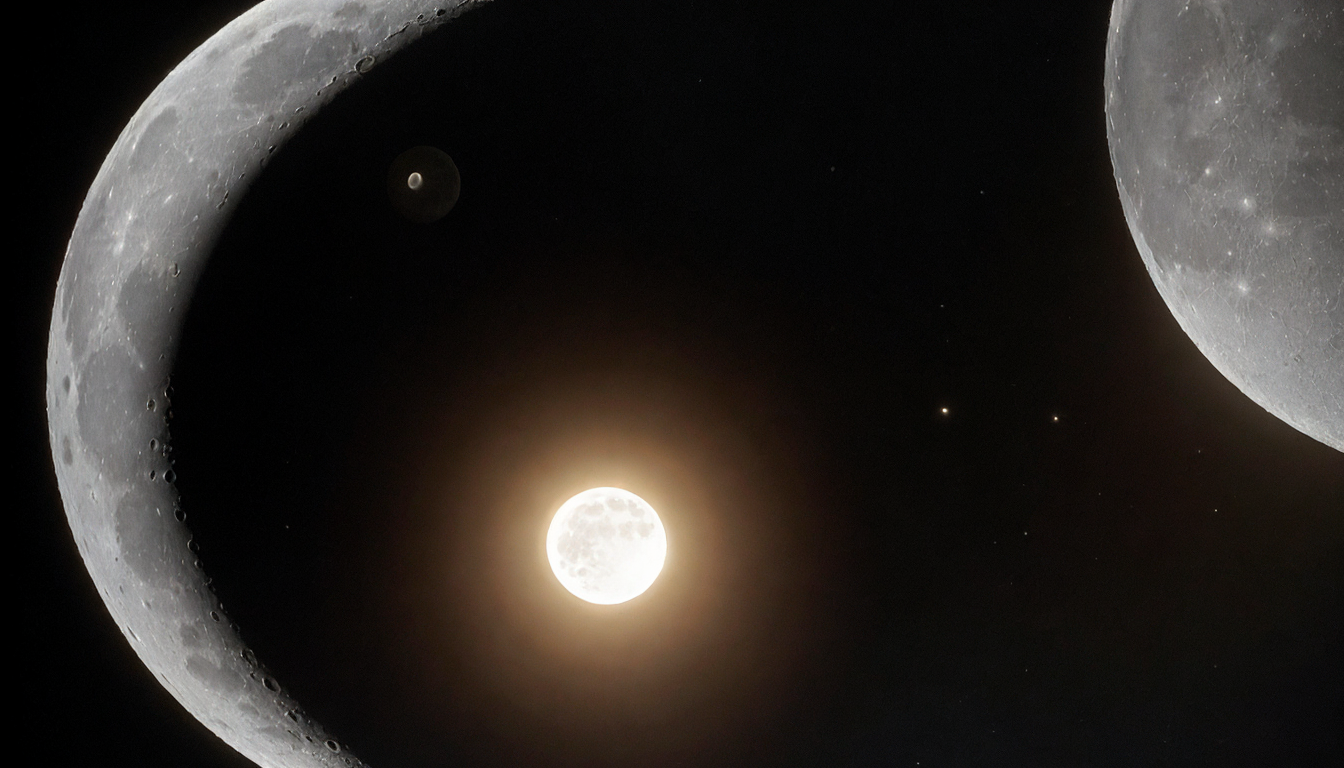
Understanding the moon cycle in 2026 involves recognizing the various phases that the moon goes through as it orbits around Earth. These stages are not only significant for astronomers and astrologers but also hold cultural and historical importance.
TL;DR
- The lunar month consists of eight main phases: new moon, waxing crescent, first quarter, waxing gibbous, full moon, waning gibbous, third (last) quarter, and waning crescent.
- Each phase lasts approximately 3.5 days, with the entire cycle taking about 29.5 days to complete.
- The moon's phases are caused by its position relative to the sun and Earth, affecting visible sunlight reflection on its surface.
- Different cultures have unique names for each lunar phase based on local traditions and natural phenomena.
Understanding the Moon Cycle
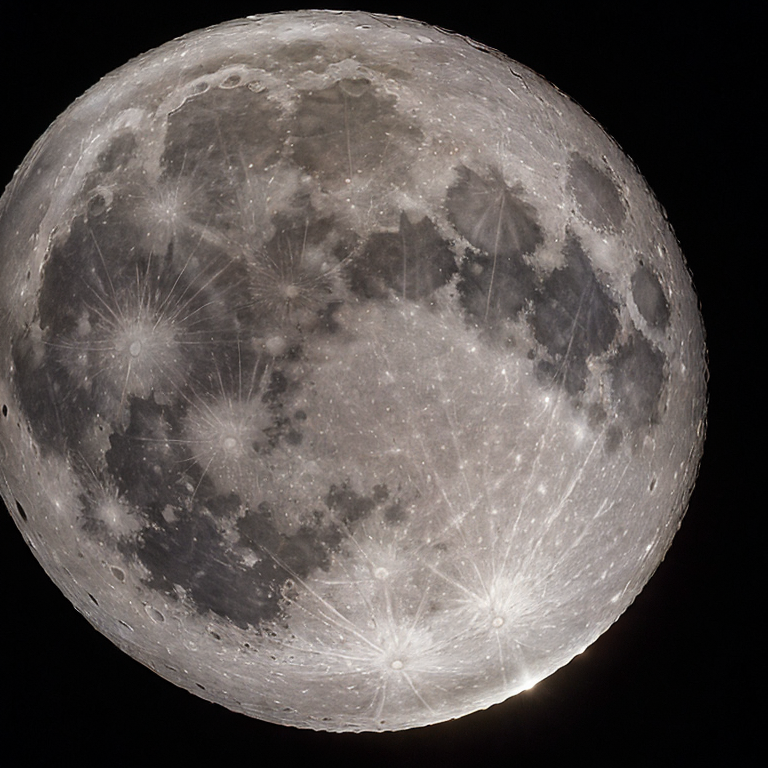
The moon cycle, also known as the synodic month, is a fundamental astronomical phenomenon that has fascinated humans since ancient times. It refers to the period it takes for the moon to complete one orbit around Earth relative to the sun. This results in visible changes in the lunar phase from our perspective on Earth.
Phases of the Lunar Month
The moon cycle can be divided into eight distinct phases, each characterized by specific appearances and timing:
-
New Moon: The new moon marks the start of a new lunar month when the moon is aligned between Earth and the sun, making it invisible to us due to sunlight falling on its far side.
-
Waxing Crescent: Following the new moon, this phase begins as a thin crescent appears in the western sky after sunset, growing larger each night until reaching the first quarter.
-
First Quarter: At this point, half of the lunar disk is illuminated from Earth's perspective, forming a perfect right angle with the sun and appearing like a "half moon."
-
Waxing Gibbous: As the moon continues its orbit, more than half but not all of it becomes visible, transitioning towards full illumination.
-
Full Moon: The full moon occurs when the entire face of the lunar disk is illuminated by sunlight as seen from Earth, marking the midpoint of the cycle between new moons.
-
Waning Gibbous: After reaching its fullest state during the full moon phase, this stage sees a gradual reduction in visible illumination until it reaches the last quarter.
-
Last (Third) Quarter: Similar to the first quarter but on the opposite side of the lunar cycle, only half of the moon is illuminated from Earth’s view again at this point.
-
Waning Crescent: This final phase before returning to a new moon shows a thin crescent in the eastern sky just before sunrise, shrinking each day until disappearing completely.
Duration and Timing
Each individual phase lasts roughly 3.5 days on average; however, due to variations in Earth's orbit around the sun, there can be slight discrepancies. The entire lunar month typically spans about 29.5 days from one new moon to the next.
Historical Significance
Throughout history, various civilizations have tracked and celebrated these phases for different purposes:
- Ancient Mesopotamia: Used a lunar calendar where each month began at the sighting of the new crescent moon.
- Mayan Civilization: Employed complex calendars based on both solar and lunar cycles to mark agricultural seasons and religious festivals.
- Chinese Culture: Follows traditional lunisolar calendars for important dates like Chinese New Year, which is determined by both lunar phases and solar terms.
Etymology and Cultural Impact
The term "moon" comes from Old English mōna, ultimately derived from Proto-Germanic roots. Each phase holds cultural symbolism across many societies:
- New Moon: Often associated with new beginnings or planting seeds of change.
- Full Moon: Commonly linked to fullness, fertility, and transformation in various cultures.
Misconceptions About the Moon Cycle
Myth: The Moon Affects Mental Health
While there is no scientific evidence linking lunar phases directly to mental health issues like lunacy (from which "lunatic" derives), folklore often attributes erratic behavior during full moons.
Fact: Tides Are Influenced by the Moon, Not Lunar Phases Specifically
High tides occur not just because of specific moon phases but due to gravitational forces exerted by both the moon and sun during their orbits.
Conclusion
The moon cycle is a natural phenomenon that has captivated human curiosity for millennia. Understanding its stages—new moon through waning crescent—provides insight into celestial mechanics while reflecting on historical, cultural, and scientific contexts. By staying informed about these phases, individuals can appreciate the beauty of lunar changes and their impact across various domains from agriculture to astrology.