Why Leaves Change Color in Autumn? Science Explained
TL;DR
- Chlorophyll Breakdown: As autumn approaches, the green chlorophyll in leaves breaks down, revealing other pigments like carotenoids and anthocyanins.
- Carotenoid Pigments: These yellow and orange pigments are present year-round but become visible when chlorophyllic green fades.
- Anthocyanin Production: In response to cold temperatures and bright sunlight, some trees produce red pigment called anthocyanin.
- Seasonal Changes: The change in daylight hours signals deciduous trees to prepare for winter dormancy, triggering leaf color changes.
- Ecological Importance: Leaf colors signal the end of photosynthesis activity, helping animals adapt their behavior and food sources.
Understanding Chlorophyll Breakdown
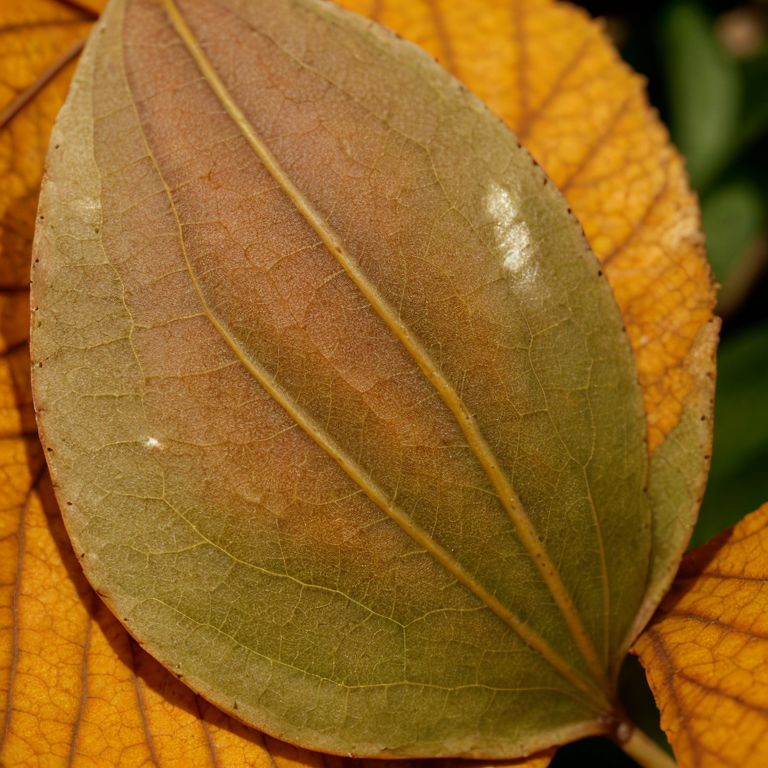
During autumn, leaves undergo significant physiological changes due to decreasing temperatures and shorter daylight hours. The primary pigment in green leaves is chlorophyll, which plays a crucial role in photosynthesis by capturing sunlight and converting it into energy for the plant. As winter approaches, deciduous trees begin to prepare for dormancy by halting the production of new chlorophyll.
Carotenoids: Hidden Pigments Revealed
Carotenoids are yellow and orange pigments that have been present in leaves alongside chlorophyll throughout the growing season but remain masked due to the high levels of green pigment. As chlorophyll breaks down, carotenoids become more visible, giving leaves their characteristic autumn yellows and oranges.
Anthocyanins: Red Pigment Production
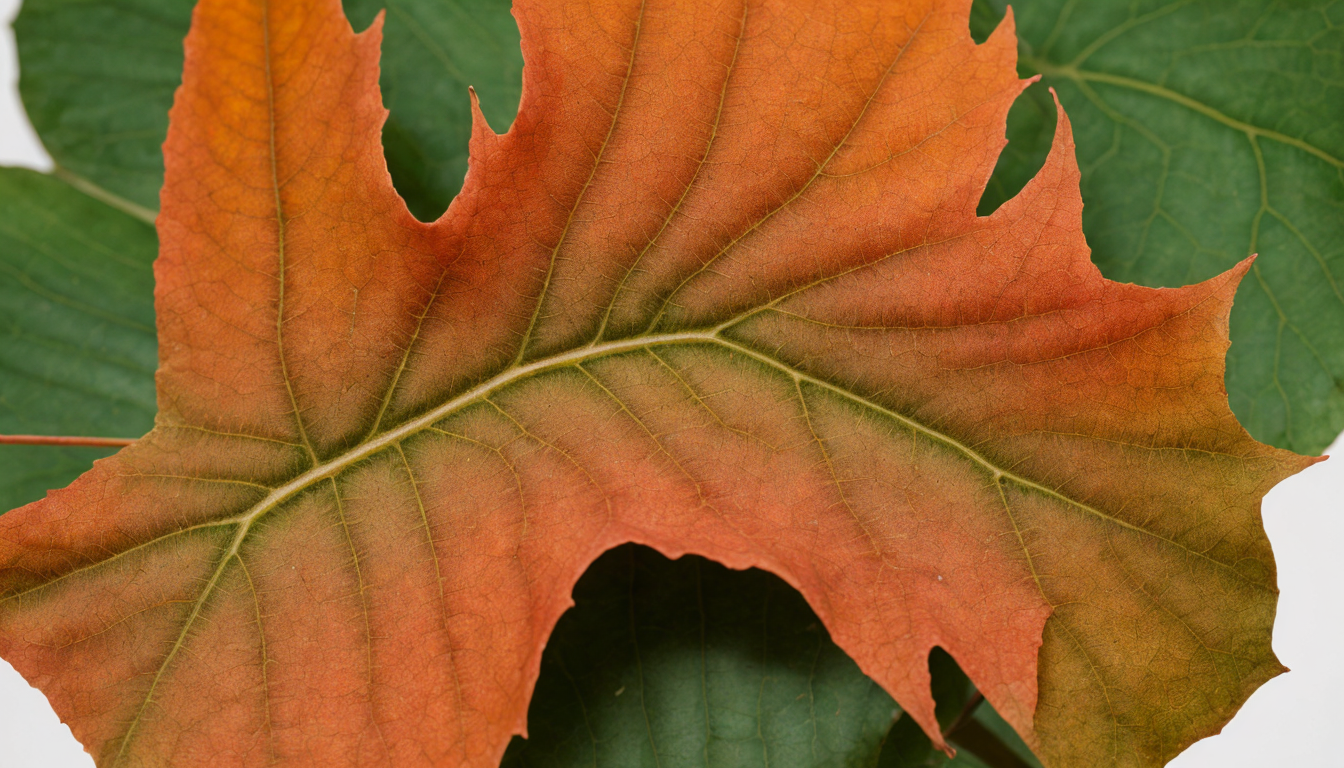
Some trees produce anthocyanins, a red pigment that appears in response to bright sunlight and cold temperatures. This process is particularly noticeable in species like maples, where the combination of carotenoids and anthocyanins creates vibrant displays of orange, yellow, and red.
Historical and Cultural Significance
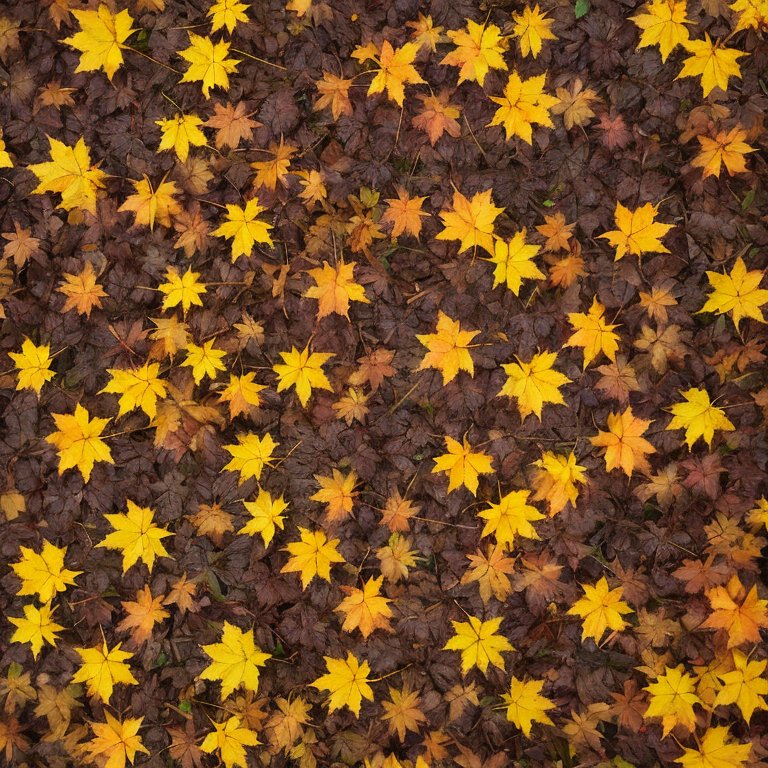
The phenomenon of autumn leaf coloration has captivated humans for centuries. Ancient cultures often attributed these changes to supernatural forces or divine intervention. However, modern science provides a clear understanding of the biological processes behind this seasonal transformation.
Scientific Discovery
Early scientific studies began in the 19th century when botanists started observing and documenting the chemical composition of leaves during different seasons. By the mid-20th century, researchers had identified the specific pigments involved and understood how environmental factors influence their expression.
Etymology and Cultural Impact
The term "fall foliage" is derived from descriptive language used to capture the visual spectacle of autumn leaves in North America. The word "foliage" itself comes from Middle French feuillage, meaning "leaves," which traces back to Latin folium for leaf.
Cultural Celebrations
Autumn colors have inspired numerous cultural traditions and celebrations around the world. In Japan, momijigari (literally "hunting red leaves") is a custom where people travel to scenic locations to view autumn foliage. Similarly, New England's fall festivals celebrate the region’s renowned leaf displays.
Impact of Environmental Factors
Temperature and light conditions significantly affect how quickly chlorophyll breaks down and whether anthocyanins are produced. Cold nights accelerate chlorophyll degradation while sunny days promote anthocyanin synthesis. Variations in these environmental factors can lead to differences in the timing, duration, and intensity of fall colors.
Climate Change Implications
Recent studies suggest that climate change may alter leaf coloration patterns. Warmer temperatures could delay autumn onset or reduce the duration of peak foliage periods. Understanding how changing climates impact leaf pigmentation is essential for predicting future ecological changes.
Misconceptions About Autumn Leaves
Several misconceptions surround why leaves change color in fall, often conflating folklore with scientific facts. It's important to distinguish between cultural beliefs and verified biological processes. For example, the idea that trees "rest" by conserving energy during winter dormancy is more accurately described as a survival mechanism for cold weather conditions.
Common Myths Debunked
- Trees Rest During Winter: While trees do enter a dormant state, this isn't due to laziness but rather an adaptation to conserve resources in harsh winter conditions.
- Leaves Change Color Because of Cold Weather Alone: Both temperature and light exposure play critical roles; cold nights aid chlorophyll breakdown while sunlight triggers anthocyanin production.
Conclusion
The transformation of leaves from green to vibrant shades of yellow, orange, and red is a testament to the intricate biological processes that occur within deciduous trees. Understanding the science behind autumn leaf coloration not only enhances our appreciation for nature's beauty but also underscores the importance of environmental factors in shaping seasonal changes. As research continues into how climate change affects these patterns, scientists will gain deeper insights into the ecological implications of shifting fall foliage trends.
By recognizing the scientific mechanisms at work and dispelling common misconceptions, we can better appreciate the natural wonder of autumn leaves while supporting efforts to understand and mitigate broader environmental impacts.