Understanding Photosynthesis: The Natural Process
Photosynthesis is a fundamental biological process that allows plants to convert light energy into chemical energy, fueling their growth and sustaining life on Earth. This process not only supports the base of the food chain but also plays a crucial role in regulating atmospheric conditions, contributing significantly to the oxygen we breathe and the removal of carbon dioxide from the atmosphere.
TL;DR
- Photosynthesis converts solar energy into chemical energy through a series of light-dependent and light-independent reactions.
- Chlorophyll is the primary pigment in plants that absorbs sunlight, initiating the process of photosynthesis.
- The process produces glucose and oxygen, vital for the survival of not just plants but almost all life forms on Earth.
- Photosynthesis impacts the environment by maintaining atmospheric oxygen levels and absorbing carbon dioxide, a greenhouse gas.
- Technological advancements have mimicked photosynthesis to develop sustainable energy solutions, such as artificial photosynthesis.
- Understanding photosynthesis is crucial for advancements in agriculture, environmental management, and energy production.
How Photosynthesis Works

Photosynthesis is a complex biochemical process that takes place primarily in the chloroplasts of plant cells. This process can be broadly divided into two stages: the light-dependent reactions and the light-independent reactions (Calvin Cycle).
Light-Dependent Reactions
These reactions occur in the thylakoid membranes of the chloroplasts and begin when photons from sunlight strike the plant. The light energy is captured by chlorophyll and other pigments. This energy is used to split water molecules into hydrogen and oxygen. Oxygen is released into the atmosphere, and the hydrogen ions are used in the next stage of photosynthesis.
Light-Independent Reactions (Calvin Cycle)
The Calvin Cycle takes place in the stroma of chloroplasts, where the hydrogen ions are used to convert carbon dioxide (CO2) from the atmosphere into glucose. This process does not require light; however, the energy carriers (ATP and NADPH) generated from the light-dependent reactions drive the chemical reactions that form glucose.
The Role of Chlorophyll in Photosynthesis
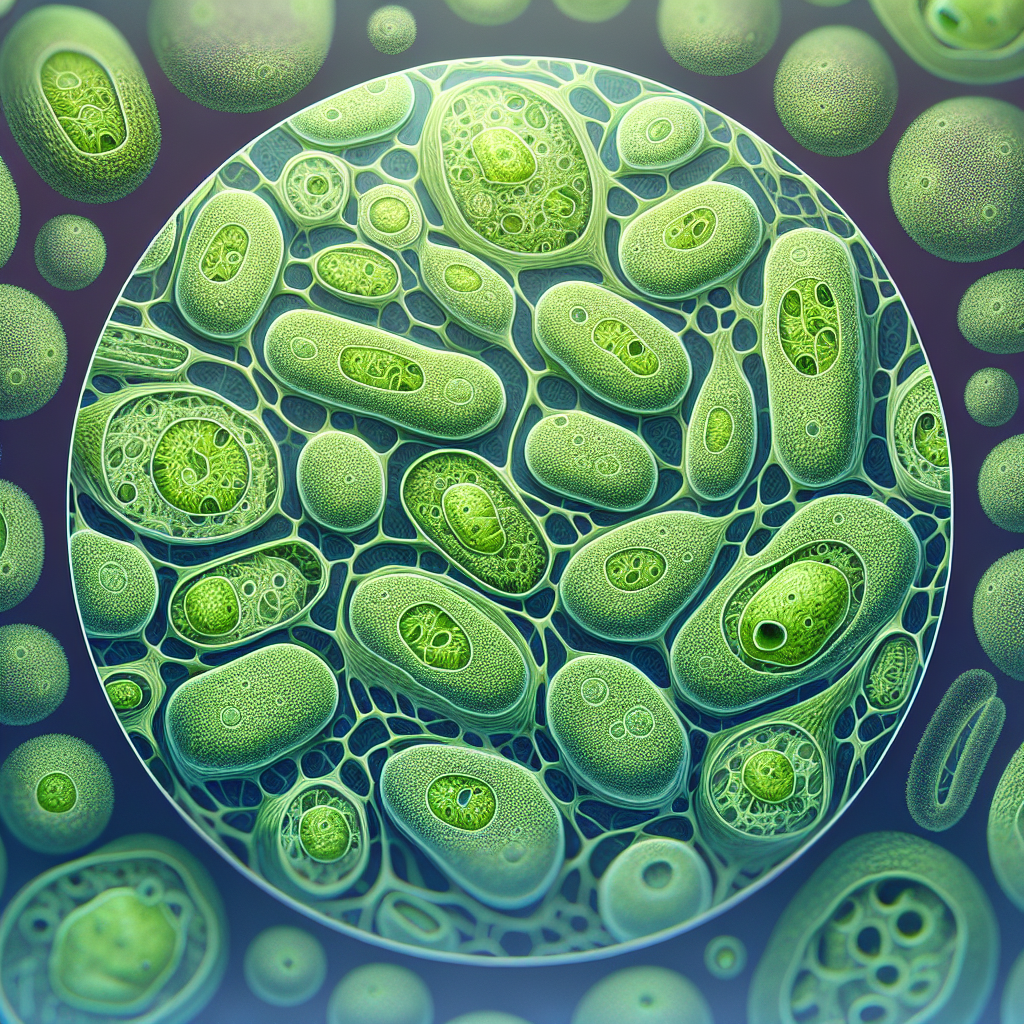
Chlorophyll is a green pigment found in the chloroplasts of plants and is crucial for photosynthesis. It plays a key role in the absorption of light, which is the first step in the conversion of light energy to chemical energy. There are different types of chlorophyll (a, b, c, and d), with chlorophyll a being the most common and essential for oxygenic photosynthesis.
Impact of Photosynthesis on the Environment

Photosynthesis significantly influences the Earth's atmosphere and climate. By absorbing carbon dioxide and releasing oxygen, photosynthesis helps to maintain the balance of gases in the atmosphere. This process is vital for carbon sequestration, which can mitigate the effects of global warming. Additionally, photosynthesis supports all life forms by providing the organic compounds and oxygen needed for survival.
Technological Applications Mimicking Photosynthesis
Innovations such as artificial photosynthesis seek to replicate the natural process of photosynthesis to create clean, green energy. These technologies aim to convert sunlight, water, and carbon dioxide into usable energy and oxygen, potentially providing new energy sources that reduce dependence on fossil fuels and diminish greenhouse gas emissions.
Evolution and Adaptation in Photosynthesis
Photosynthesis has evolved over millions of years to become more efficient. Plants, algae, and certain bacteria have developed variations in photosynthetic processes that allow them to adapt to different environments and climatic conditions. For example, C4 and CAM photosynthesis are adaptations that minimize water loss in hot and dry environments, demonstrating the versatility and resilience of photosynthetic organisms.
Factors Affecting Photosynthesis
Several environmental factors can influence the rate of photosynthesis in plants. These include light intensity, carbon dioxide concentration, temperature, and water availability. Understanding these factors is essential for optimizing agricultural practices and managing natural ecosystems.
Conclusion
Photosynthesis is not just a critical biological process for plants but a cornerstone of life on Earth. It provides the primary energy source for nearly all ecosystems and plays a decisive role in regulating our planet's climate. Advancements in understanding and replicating photosynthesis hold promising potential for sustainable energy solutions and environmental conservation. As we continue to explore and harness the secrets of photosynthesis, we pave the way for innovations that could reshape our approach to energy and environmental challenges.