Why Are Autumn Leaves Red? Science Explained
TL;DR:
- Red leaves in autumn are primarily due to the production of anthocyanins.
- Chlorophyll breakdown causes the green color in leaves to fade, revealing other pigments.
- Environmental factors, such as temperature and sunlight, influence leaf colors.
- Anthocyanin production can protect trees from environmental stress during fall.
- Leaf color changes are a seasonal adaptation that varies among species.
The Science Behind Red Autumn Leaves
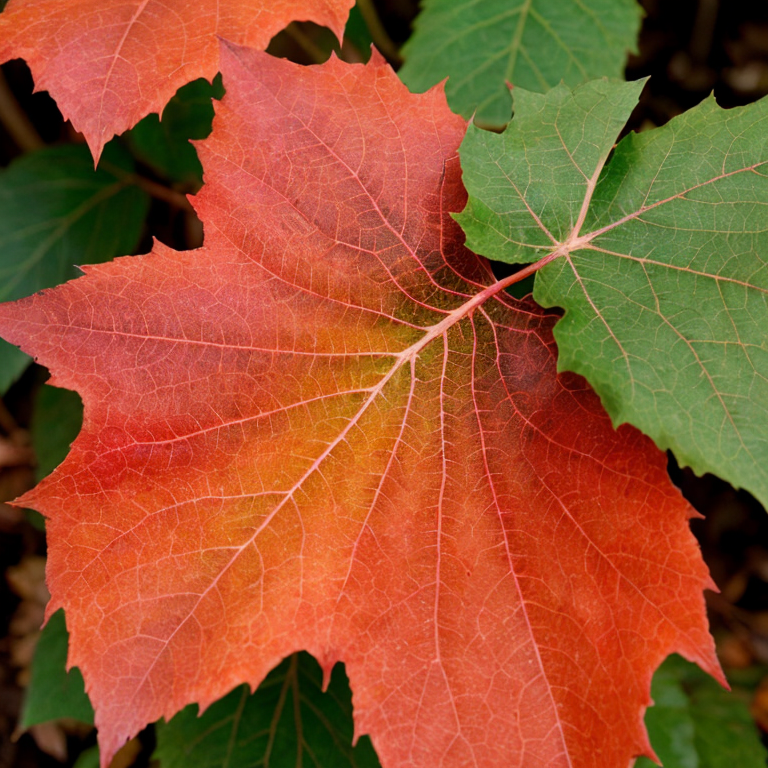
The vibrant red hues seen in autumn leaves result primarily from the presence of anthocyanins. These pigments, which give fruits like cherries and apples their characteristic colors, also play a crucial role in leaf coloration during fall. As summer transitions to autumn, deciduous trees begin preparing for winter by shutting down photosynthesis and breaking down chlorophyll—the green pigment responsible for absorbing sunlight.
Chlorophyll Breakdown
Chlorophyll is essential for the process of photosynthesis, which converts light energy into chemical energy that plants use to grow. During spring and summer, leaves are rich in chlorophyll, making them appear green due to their ability to absorb blue and red wavelengths while reflecting green. As autumn approaches, trees start breaking down chlorophyll molecules to conserve resources for the upcoming winter.
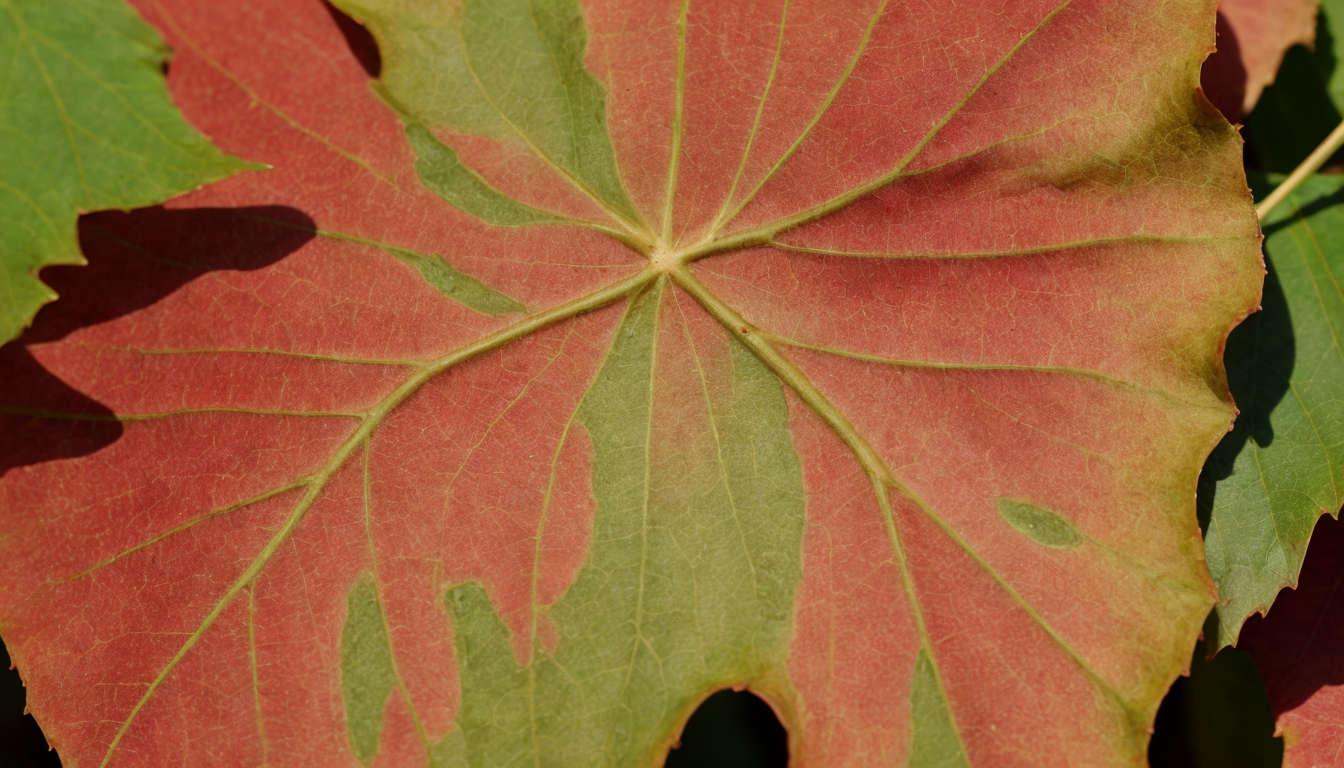
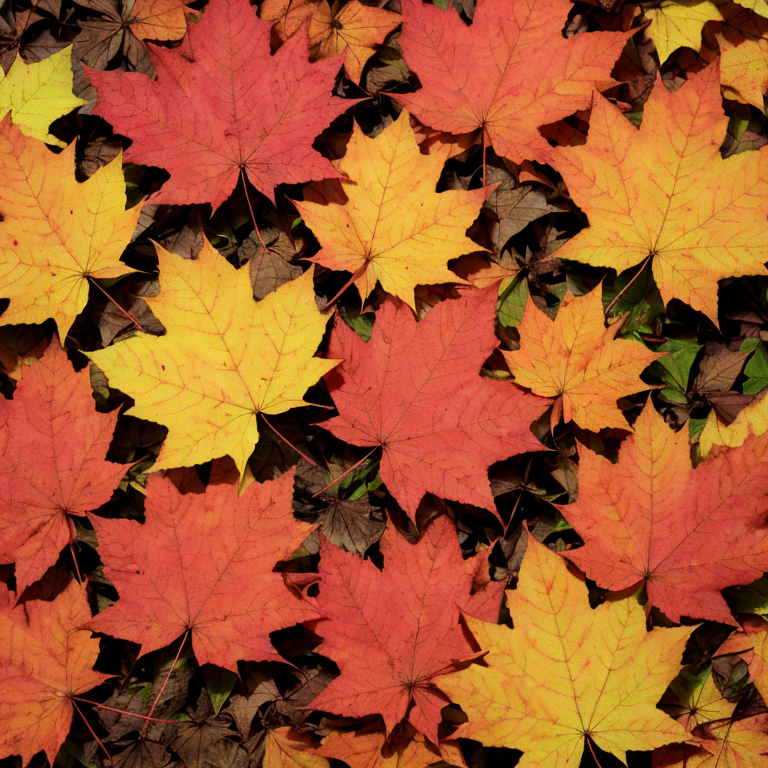
The breakdown of chlorophyll causes the green color to fade, revealing other pigments that were previously masked by the dominant chlorophyll. These include carotenoids (which produce yellow and orange hues) and anthocyanins (responsible for red colors).
Anthocyanin Production
Anthocyanins are water-soluble pigments that can range in color from pink to deep crimson, depending on factors such as pH levels and environmental conditions. Unlike chlorophyll and carotenoids, which are present throughout the growing season but become visible only when chlorophyll breaks down, anthocyanins are produced specifically during autumn.
The exact timing and intensity of red leaf production can vary widely among different tree species and even within individual trees depending on their health and environmental conditions. For example, stress factors such as drought or excess light exposure can stimulate increased anthocyanin synthesis to protect leaves from harmful ultraviolet radiation and oxidative damage.
Environmental Factors
Several environmental factors influence the intensity of autumn leaf colors:
-
Temperature: Cooler temperatures promote greater production of anthocyanins by stimulating the metabolic pathways involved in pigment synthesis.
-
Sunlight: Increased sunlight exposure can enhance anthocyanin production, although excessive heat or drought may inhibit it.
-
Moisture Levels: Adequate soil moisture is crucial for optimal leaf coloration. Drought conditions can reduce anthocyanin formation and result in duller foliage colors.
Seasonal Adaptations
The seasonal change from green to red leaves serves several adaptive functions:
-
Protection Against Free Radicals: Anthocyanins act as antioxidants, helping to neutralize harmful free radicals that accumulate during autumn when the rate of photosynthesis slows down.
-
Cold Hardiness: Red pigmentation might help shield cells from cold damage by reducing water loss and preventing ice crystal formation within leaf tissues.
-
Nutrient Recycling: As leaves change color and eventually fall off, they release nutrients back into the soil that can be reused for growth in the following spring.
Historical Context
The study of autumn leaf colors has a long history dating back to ancient civilizations, who observed seasonal changes but lacked modern scientific understanding. Early naturalists began documenting observations about plant life cycles and pigmentation patterns during different seasons. By the 19th century, scientists started investigating chemical processes involved in chlorophyll breakdown and pigment formation.
Research into anthocyanins gained momentum in the late 20th century when studies revealed their role as antioxidants and protective agents against environmental stressors. Today, ongoing research continues to uncover new insights into how these pigments interact with other biochemical pathways within plants.
Etymology and Cultural Significance
The term "autumn" derives from the Latin word "autumnus," which itself comes from an older Etruscan language. In various cultures around the world, autumn leaves have symbolic meanings associated with change, renewal, and preparation for winter. For instance:
-
Japanese Culture: The beauty of fall foliage (koyo) inspires traditional festivals celebrating nature's seasonal transformations.
-
European Traditions: Ancient Celtic beliefs often linked autumnal changes to themes of death and rebirth.
Anthocyanins themselves are named after the Greek words "anthos" (flower) and "kyanos" (blue), reflecting their characteristic blue-violet color when extracted in water solutions. The discovery of these pigments has had significant implications for botany, biochemistry, and even food science, where anthocyanins are now recognized as valuable antioxidants.
Misconceptions About Red Autumn Leaves
Despite extensive research, some common misconceptions persist about why leaves turn red:
-
Myth: Chlorophyll is completely absent in autumn leaves.
- Truth: While chlorophyll levels drop dramatically, residual amounts remain present, contributing to leaf coloration along with other pigments.
-
Myth: All trees produce anthocyanins during fall.
- Reality: Not all species synthesize significant quantities of these compounds; some rely more on carotenoids or lack any notable pigment production.
-
Myth: Anthocyanin synthesis occurs exclusively due to cold temperatures.
- Fact: While cool weather stimulates anthocyanin formation, other factors like light exposure and soil moisture also play critical roles.
Conclusion
The transformation of autumn leaves into brilliant shades of red is a testament to the intricate biochemical processes occurring within plants as they prepare for winter dormancy. Understanding why leaves turn red involves examining the interplay between chlorophyll breakdown, anthocyanin production, environmental factors, and evolutionary adaptations. This seasonal spectacle not only captivates our senses but also offers valuable insights into plant physiology and ecology.