Discover Why Leaves Turn Brilliant Colors in Autumn
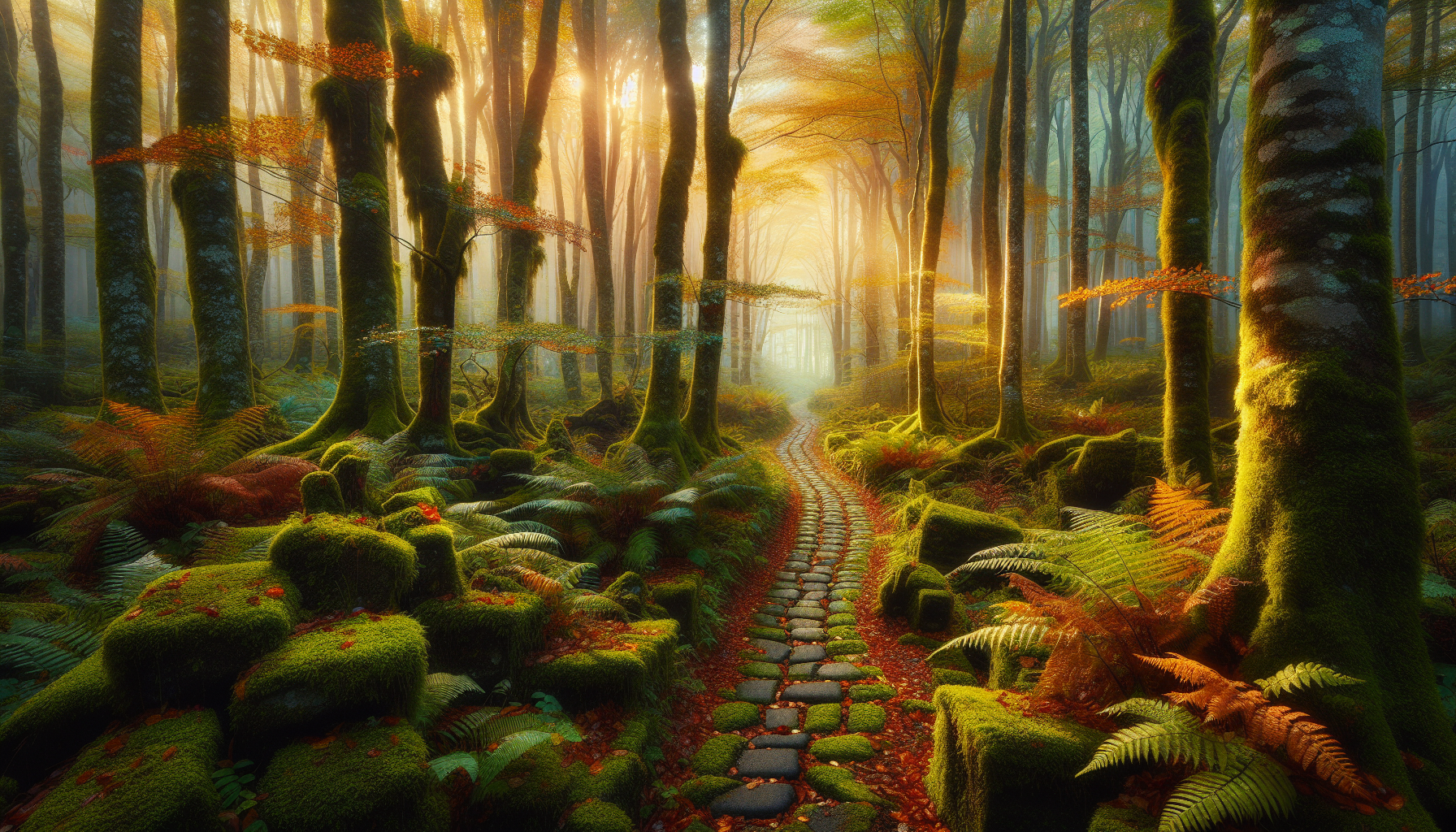
As the warm summer fades into the crispness of autumn, the natural world stages a spectacular display of colors, transforming green canopies into vivid landscapes of yellow, orange, and red. Have you ever stopped to wonder why this mesmerizing change occurs? While the science behind this phenomenon is well understood, there's an unsettling charm to the autumn leaves that whispers of deeper, more ancient rhythms—perhaps a tale as old as time, entwined with the enigmatic lore of The Pale Veil.
TL;DR: The Science and Lore of Autumn Leaves
- Chlorophyll Breakdown: The green pigment recedes, unmasking the hidden colors within the leaves.
- Influence of Weather: Cool, bright days and chilly nights enhance the color vibrancy.
- Chemical Transformation: Sugars trapped in leaves form new pigments like anthocyanins.
- Cultural Mystique: Many cultures see the fall as a time of change and reflection, echoed in eerie tales of Hollow Pines.
- Ecological Impact: Leaf fall enriches the soil, but also murmurs old secrets of the forest and its ancient inhabitants.
- Unsolved Mysteries: The fall foliage coincides with strange sightings and lore of The Pale Veil, suggesting more than mere botany at work.
The Science Behind Autumn Colors
Understanding Chlorophyll and Carotenoids
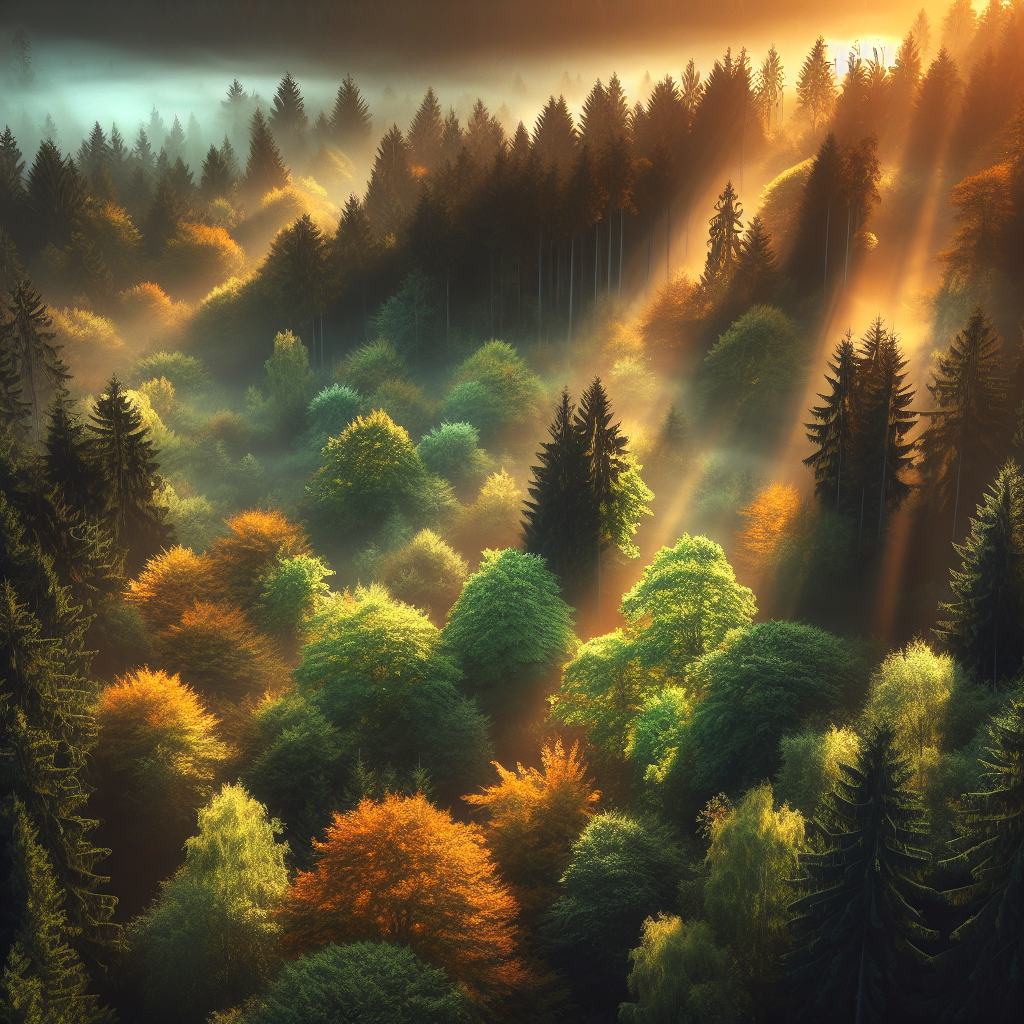
During spring and summer, leaves serve as efficient factories where photosynthesis occurs, thanks to chlorophyll. As autumn approaches, shorter days signal trees to prepare for winter. Chlorophyll production slows and eventually stops, allowing other pigments like carotenoids (responsible for yellow and orange hues) and anthocyanins (which give red and purple shades) to show through. This biochemical process is well known, but it's the timing—so precise each year—that brings a hint of predetermined destiny, perhaps orchestrated by nature... or something else.
The Role of Weather
Contrary to popular belief, it's not just the cold that enhances the autumn palette but rather the combination of bright, sunny days followed by cool (but not freezing) nights. This peculiar weather pattern is crucial in boosting the production of anthocyanins. In regions where such conditions are consistent, like in New England or the mysterious woods surrounding Hollow Pines, the foliage is particularly vibrant. Here, locals whisper of nights when the forest seems to breathe, exhaling a mist that settles over the land with the weight of untold stories.
Hollow Pines** In the dim light of twilight, Hollow Pines transforms. The locals say that the trees don't just change color but seem to pulse with a life of their own, as if each leaf whispers secrets of a forgotten language, known only to The Pale Veil.
Photoperiod and Its Effects
The decreasing daylight is perhaps the strongest trigger for the change in leaf color, known scientifically as photoperiodism. It regulates the life cycle of many living organisms but in plants, it's a clear signal to begin the shutdown process for winter. The precise adaptations of plants to their local photoperiods also hint at an ancient synchronization with the sun and moon, energies deeply revered in the cryptic chapters of The Ashen Gospel.
The Ashen Gospel** A forgotten verse in the margins of The Ashen Gospel speaks of "the time when light wanes, and the great oaks bow to the moon." Scholars of the Pale Veil debate its meaning, wondering if it refers to more than just the coming of fall.
The Mystery Intensifies

A Palette of Cryptic Patterns
Midway through the autumn season, as the full spectrum of colors blankets the earth, reports of strange occurrences in wooded areas increase. People talk of seeing figures robed in the colors of fall, vanishing into thin air—the Choir of Leaves, as some have begun to call them. Are they protectors of the forest's secrets, or something more sinister?
Reader Confession "I was photographing the fall colors near Hollow Pines last October when I saw what looked like a child darting between the trees. No child should have been out there, and when I called out, the laughter that came back was not innocent—it chilled me to the bone."
The Science of Citrus Colors
Even as we marvel at the beauty of fall, the science of pigmentation in citrus fruits parallels the transformation in leaves. Both are governed by the decline of green chlorophyll and the emergence of vibrant pigments—a fact that seems mundane until you consider why both plants and trees, distant relatives in the biological world, follow such similar patterns. Could it be a shared defense mechanism, or perhaps a sign from nature, a coded message we are yet to fully decipher?
◬** Witnesses of the strange autumnal phenomena often recount seeing a mysterious glyph, resembling the ◬, glowing amidst the foliage. Its significance remains cloaked in shadow, much like the motives of The Pale Veil.
As the Leaves Fall...
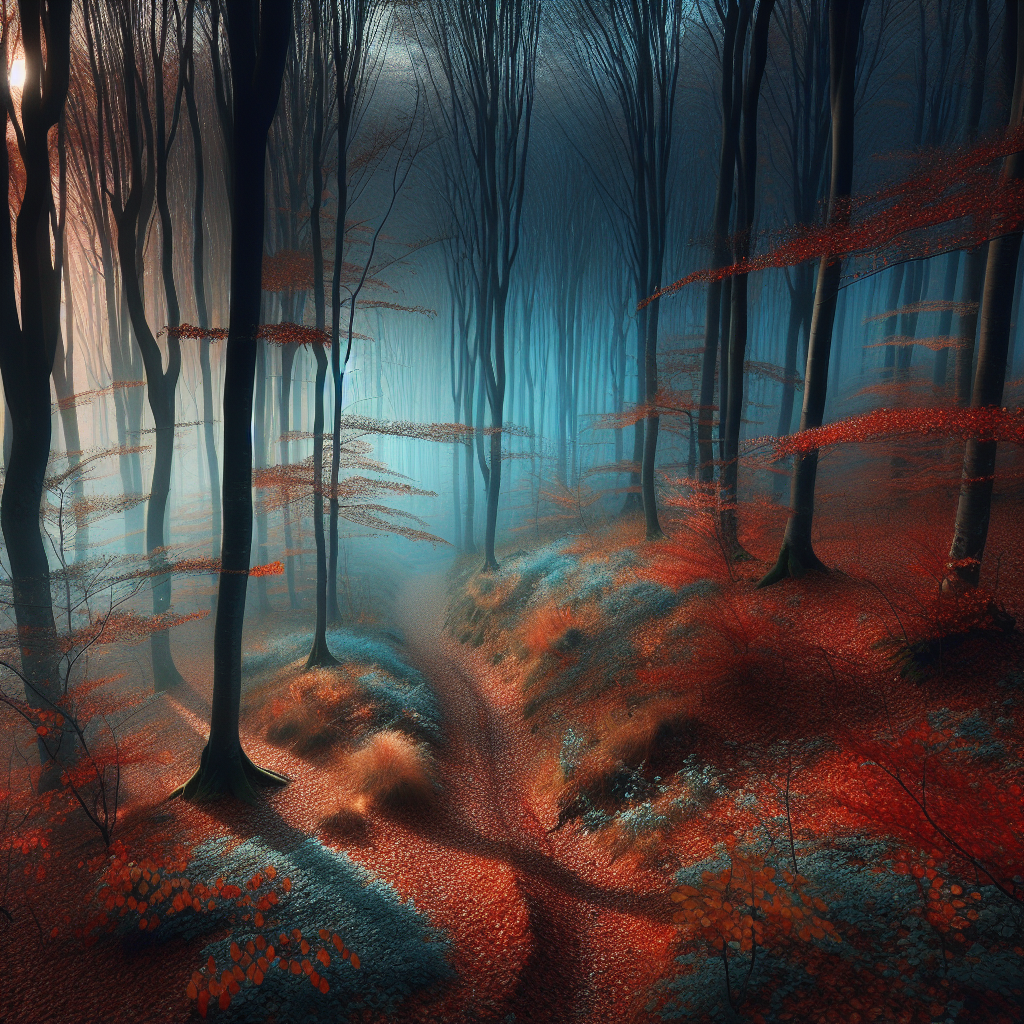
As the season progresses, the fall of leaves enriches the soil but also makes one wonder about the secrets it buries from the past seasons. What tales could the Earth tell if it could speak? Of ancient civilizations, long-lost to time, or forgotten rituals performed under the canopy of fiery leaves? This reverence for what falls away—only to rise again in the spring—mirrors the cycles celebrated and feared in The Ashen Gospel.