Why Leaves Change Color in Fall: The Science Behind Autumn
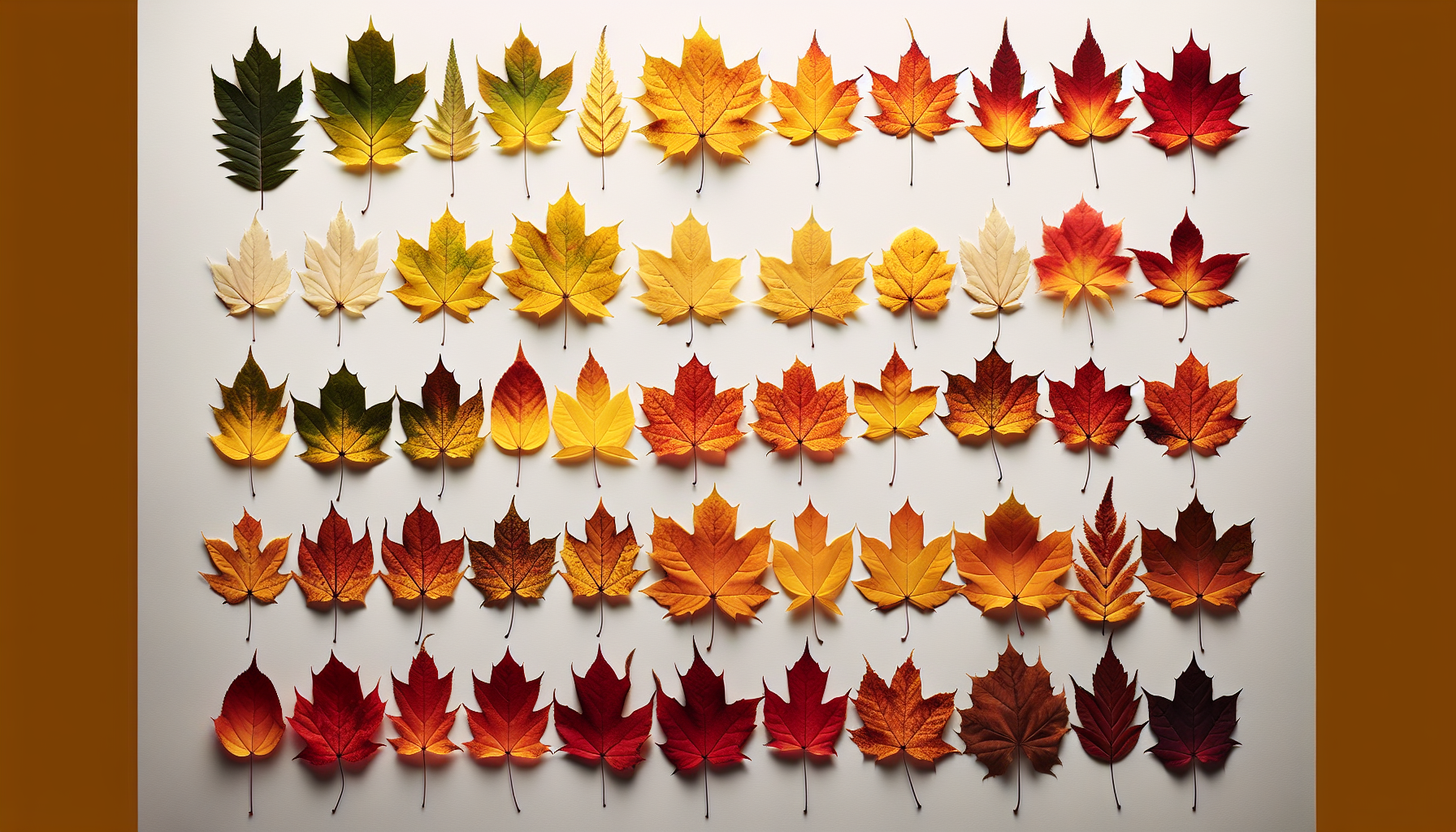
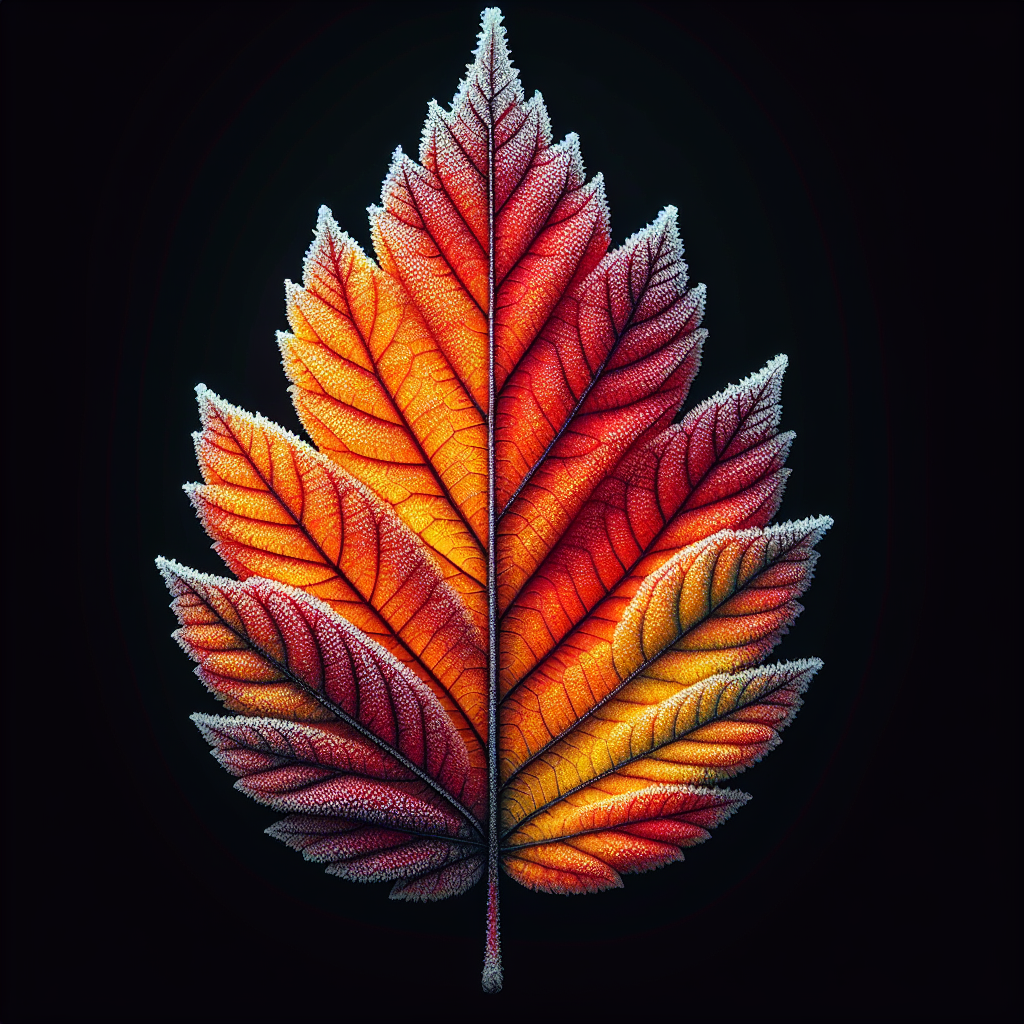
Each year, as the days shorten and temperatures drop, forests and parks are transformed into a dazzling display of yellows, oranges, and reds. This annual phenomenon isn't just a visual treat; it's the result of complex biological processes within the leaves. Understanding why leaves change color in the fall reveals much about plant biology and the adaptive strategies of trees.
TL;DR
- Chlorophyll Breakdown: As daylight decreases and temperatures cool, chlorophyll, which gives leaves their green color, breaks down, revealing other pigments.
- Revealed Pigments: Carotenoids and anthocyanins, responsible for yellow, orange, and red hues, become visible as chlorophyll degrades.
- Protective Measures: Color changes are part of a tree’s strategy to recover nutrients from leaves before winter and protect itself from UV damage.
- Weather Influence: Temperature, light, and water supply can impact the intensity and timing of fall colors.
- Geographical Variation: Different species and climates around the world exhibit a diverse range of fall colors.
- Ecological Significance: Leaf senescence and color change have important implications for ecosystems, affecting everything from soil nutrition to wildlife behavior.
The Science of Leaf Color Change
The Role of Pigments
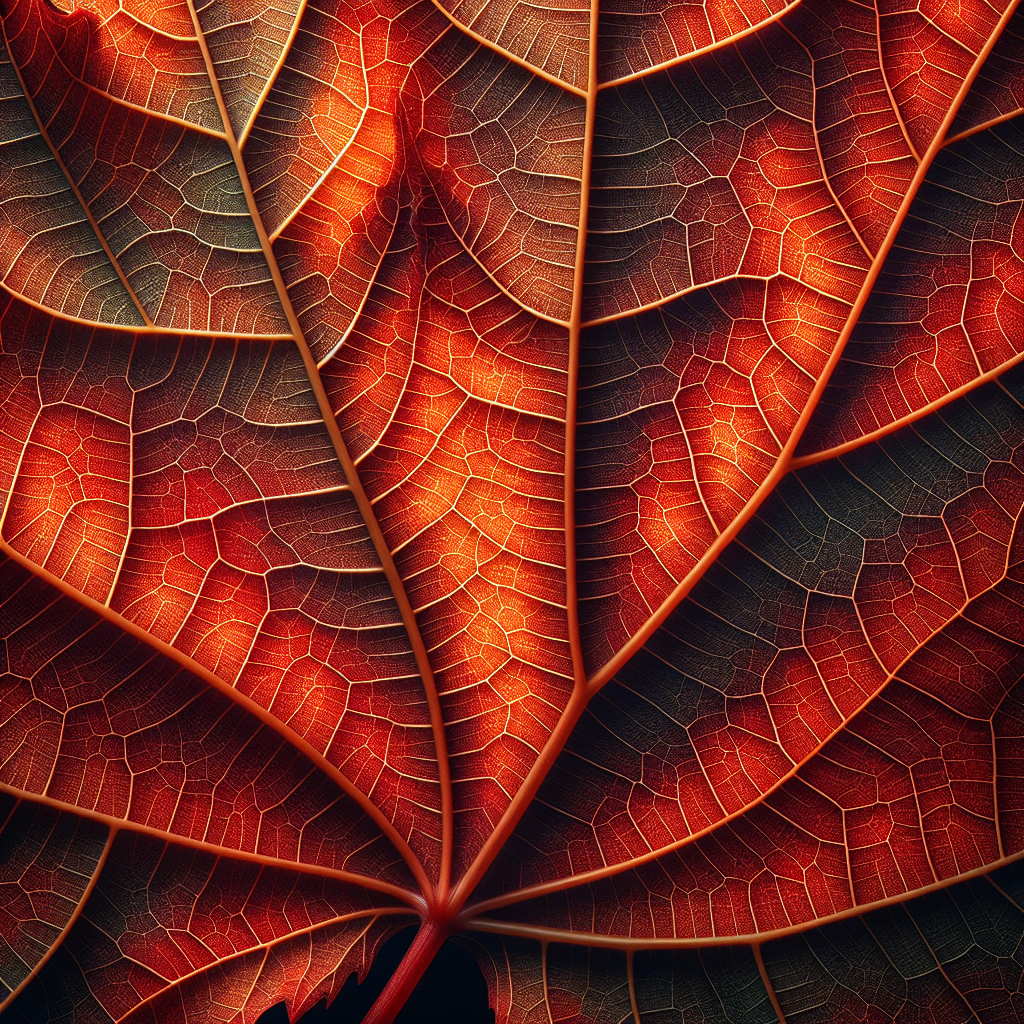
Leaves are green during spring and summer due to the presence of chlorophyll, a pigment crucial for photosynthesis, the process by which plants convert sunlight into energy. In the fall, shorter days and cooler temperatures trigger a reduction in chlorophyll production. As chlorophyll breaks down, it reveals other pigments that have been in the leaf all along but were masked by the dominant green.
Carotenoids
Carotenoids are pigments that produce yellow, orange, and brown colors. They are present in leaves throughout the growing season but only become visible when chlorophyll production slows. Common in many vegetables, carotenoids help protect plant cells by absorbing excess light energy and scavenging free radicals.
Anthocyanins
Unlike carotenoids, anthocyanins are not usually present during the growing season. These pigments are produced in the fall in response to bright light and excess plant sugars within leaf cells. Anthocyanins can provide red, blue, or purple hues and are thought to help protect leaves from sun damage and lower temperatures by acting as a sort of 'sunscreen,' absorbing UV light.
Biological Triggers
The primary trigger for the change in leaf color is the length of daylight, known as photoperiodism. As days grow shorter, trees prepare for winter by forming a protective layer between the leaf and the branch, cutting off the supply of water and nutrients and trapping sugars in the leaves, which aids in the production of anthocyanins.
Nutrient Recovery
During this transitional period, trees reabsorb valuable nutrients such as nitrogen and phosphorus from the leaves. This conservation effort is crucial for the tree’s survival over the cold winter months when the ground is frozen and nutrient uptake from the soil is limited.
Historical and Cultural Perspectives
Historical Observations
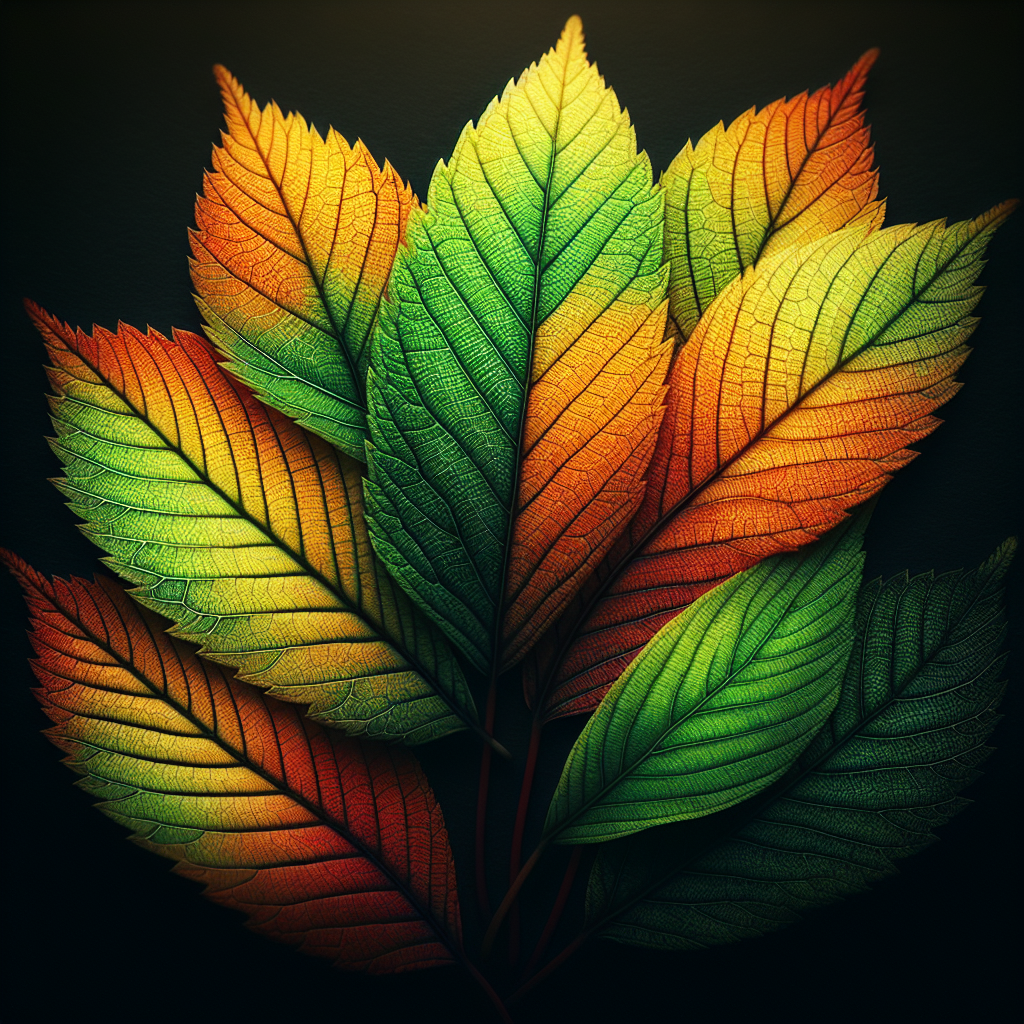
The changing colors of autumn leaves have been noted and celebrated in various cultures throughout history. Ancient Greek philosophers, including Aristotle, speculated about the causes of seasonal changes in leaf color. In Japan, the practice of "momijigari" - viewing the vibrant autumn foliage - dates back centuries and is a significant cultural event.
Cultural Significance
In many cultures, fall foliage has come to symbolize change, impermanence, and the cycle of life and death. In North America, annual fall foliage tours contribute significantly to local economies, especially in regions like New England, where the natural display can be particularly spectacular.
Common Misconceptions
Evergreens Don’t Change Color
While it's true that evergreen trees do not undergo the dramatic color changes seen in deciduous trees, they do experience a form of leaf senescence. Evergreens periodically shed older needles, which may turn yellow or brown before dropping, though this process is much less noticeable and does not occur simultaneously as in deciduous species.
Peak Color Predictability
Many believe that the timing of peak color can be predicted far in advance; however, the exact timing of color changes in leaves depends on the current year’s weather conditions, including temperature and moisture levels, making precise predictions challenging.
Impact of Frost
There is a common belief that a good frost is needed to trigger the most vibrant colors. However, while a light frost can enhance anthocyanin production in some species, an early hard frost can actually halt the process of color change, leading to less vibrant colors.
The Impact of Climate Change
Climate change is affecting phenological events like leaf color change. Warmer temperatures can delay the onset of color changes and alter the duration of the display. Additionally, extreme weather events, such as droughts and storms, can impact the intensity and timing of fall colors, potentially disrupting local ecosystems and economies that rely on seasonal tourism.
Conclusion
The annual change in leaf color during the fall is a complex interplay of biological, environmental, and chemical processes. Far from being merely a quaint seasonal phenomenon, it is a critical adaptation that helps trees conserve resources and survive harsh winter conditions. As climate patterns shift, ongoing research into these processes is crucial for understanding and predicting changes in this dynamic phenomenon, which holds significant ecological, cultural, and economic importance.