
The Real Reason Flamingos Are Pink
Flamingos are among the most instantly recognizable and photogenic birds, thanks to their striking pink color. This distinctive hue is not just a mere quirk of nature but a fascinating example of how diet and environment can influence an organism's appearance. Understanding why flamingos are pink involves exploring their diet, biology, and the biochemical processes at play.
TL;DR
- Flamingos are pink due to pigments called carotenoids found in their diet, primarily derived from algae and crustaceans.
- The intensity of the pink color varies with diet and overall health of the flamingo.
- Carotenoids are initially colorless and turn pink through digestive processes.
- Genetic factors and environmental conditions also influence the shade of pink.
- Flamingo chicks are born gray or white and gradually turn pink as they mature and consume a carotenoid-rich diet.
- The pink coloration plays a role in mating rituals and social interactions within flamingo communities.
The Science Behind the Color

Carotenoids and Digestion
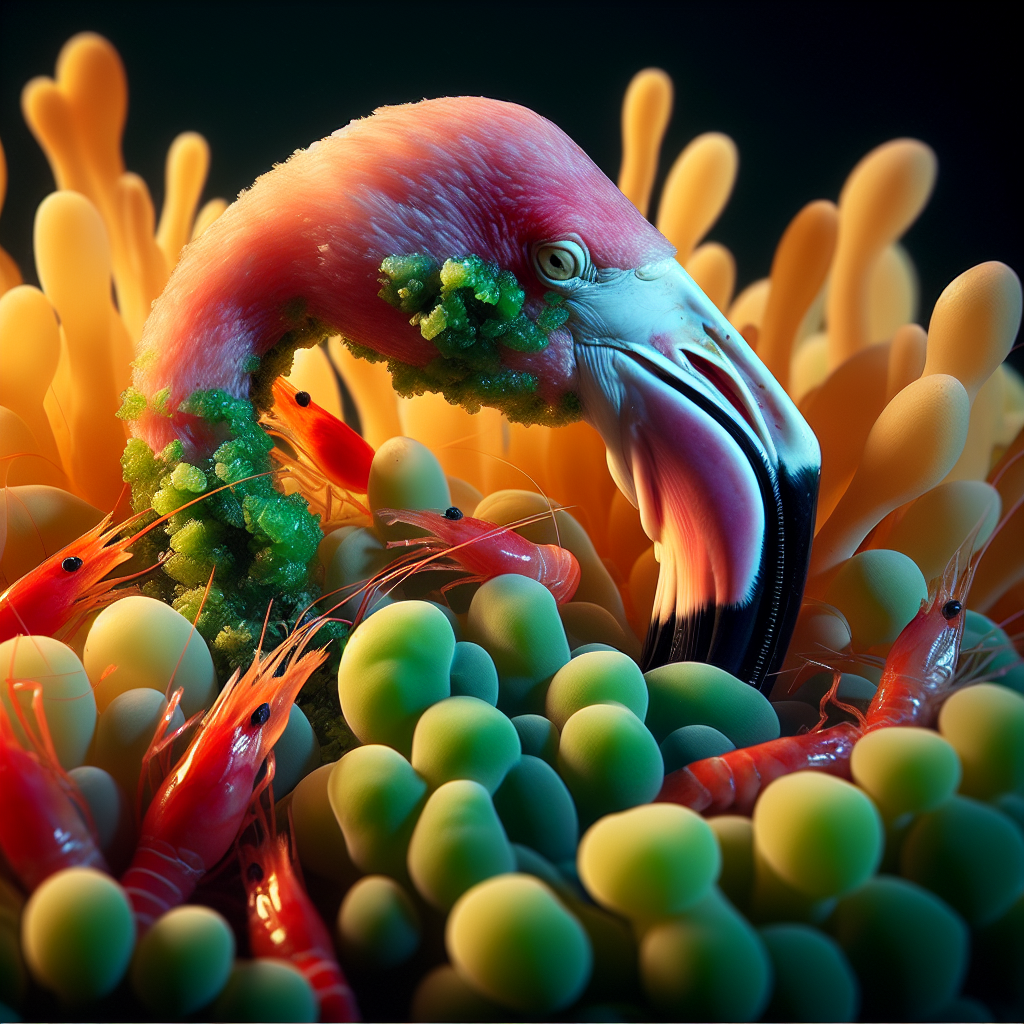
The primary reason for the pink coloration in flamingos is the presence of carotenoids in their diet. Carotenoids are organic pigments that are found in a wide range of plants and microorganisms, including the algae and various crustaceans that flamingos eat. These pigments are generally yellow, orange, or red. Flamingos mostly consume organisms like shrimp and blue-green algae that are rich in carotenoids.
When flamingos eat these foods, the carotenoids are dissolved in fats and absorbed into the bloodstream during digestion. The liver then metabolizes these pigments into a form that is deposited in the feathers, skin, and beak of the flamingos, giving them their pink or reddish hue. The enzyme canthaxanthin is particularly involved in this transformation.
Genetic and Environmental Influences
The intensity and shade of pink can vary widely among individual flamingos, influenced by both genetic factors and environmental conditions. The amount and types of carotenoids available in a flamingo’s habitat, along with the efficiency of the bird's digestive enzymes, play significant roles in determining the vibrancy of their coloration.
Historical Context
Evolutionary Advantage
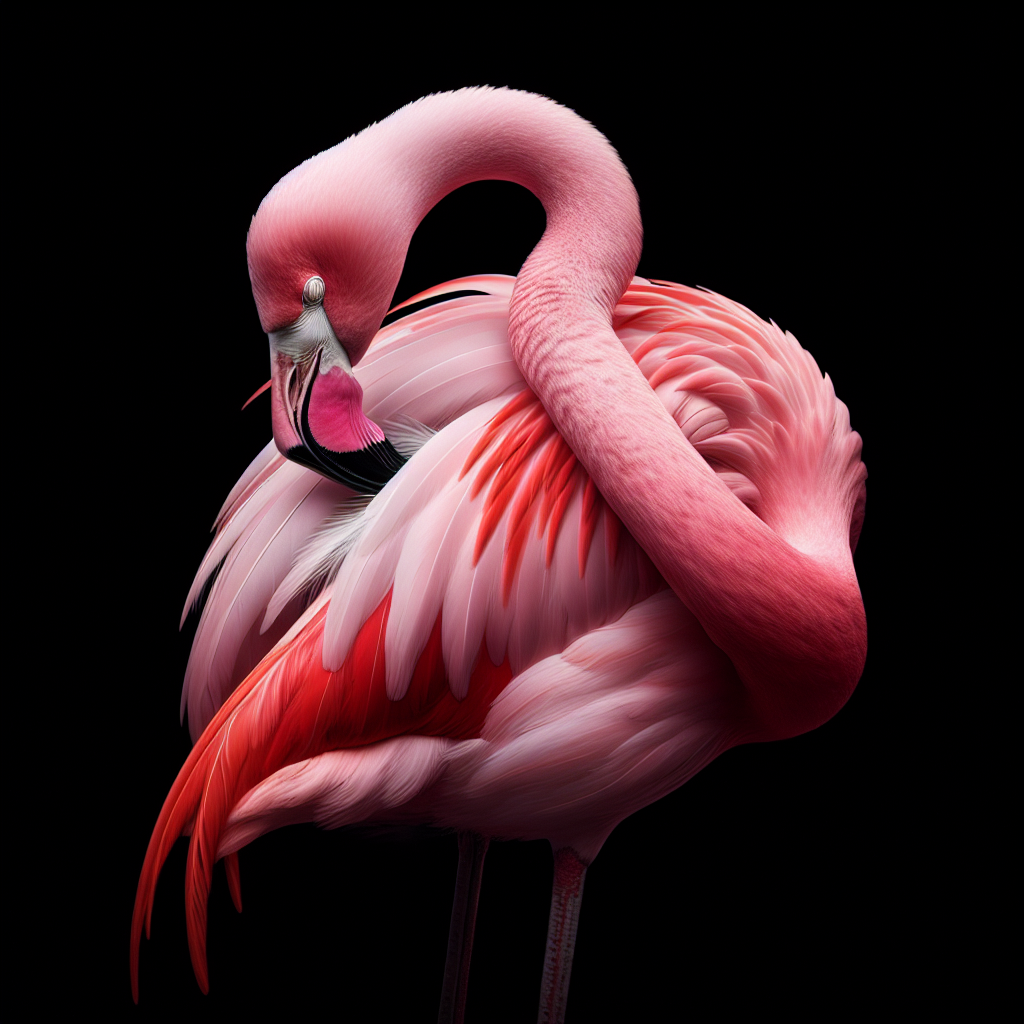
Biologically, the pink coloration in flamingos is more than just visually appealing; it has practical advantages. The vibrant color may play a crucial role in mating rituals, where brighter individuals are often more attractive to potential mates. This preference can drive natural selection, favoring flamingos that can metabolize carotenoids more efficiently.
Moreover, the pink coloration can also serve as an indicator of health among flamingos, signaling robust health and a diet rich in nutrients, which is beneficial for breeding success.
Cultural Significance
Flamingos in Human Culture
Flamingos have been part of human culture and iconography for centuries. In ancient Egypt, they were associated with the sun god Ra. Today, flamingos are often seen in art, fashion, and even as lawn ornaments in the United States, symbolizing fun and flamboyance. Their unique color and behavior continue to capture the human imagination, making them popular in zoos and wildlife sanctuaries across the world.
Common Misconceptions
Instant Pink?
A common misconception is that flamingos are born pink. In reality, flamingo chicks are born with gray or white down feathers. They only acquire the pink color as they grow and begin consuming a diet rich in carotenoids. This process can take up to three years to complete.
Another misconception is that all flamingos are vividly pink. The truth is that the intensity of the pink coloration varies widely depending on the specific diet and the health of the individual flamingo. Some may appear more white or pale pink if their diet lacks sufficient carotenoids.
Conclusion
The pink coloration of flamingos is a remarkable example of how diet and biology can interplay to produce vibrant wildlife phenomena. Carotenoids in the diet are transformed through digestive processes, leading to the beautiful pink shades seen in these birds. This not only adds to the visual majesty of the natural world but also plays a significant role in the biological and social lives of flamingos. Understanding these processes reminds us of the complex and interconnected nature of ecosystems, where even the color of feathers can tell a story of diet, health, and evolutionary adaptation.