Why Fish Turn Invisible in Dark Water
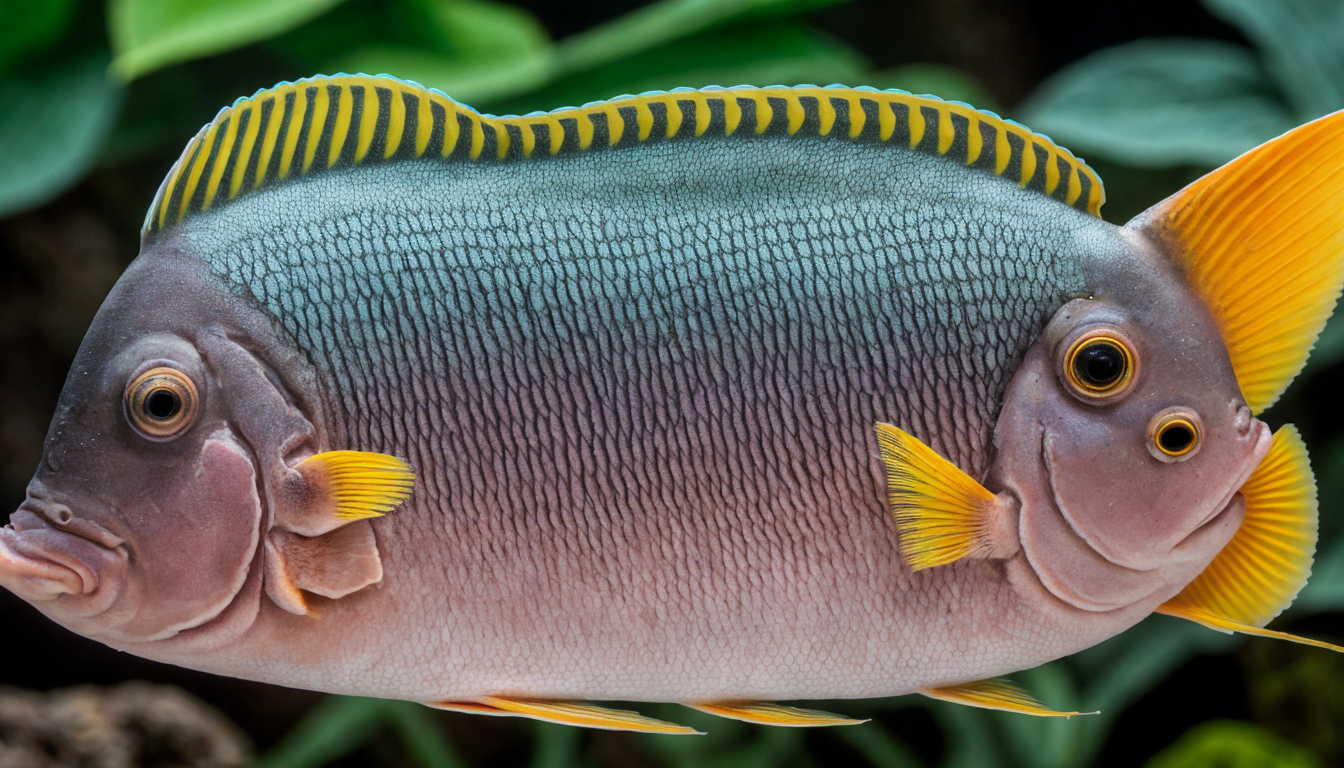
Fish exhibit remarkable color changes when darkness falls, a fascinating adaptation that aids their survival in aquatic environments. This article explores the biological mechanisms behind these transformations and how they benefit fish in dark conditions.
TL;DR
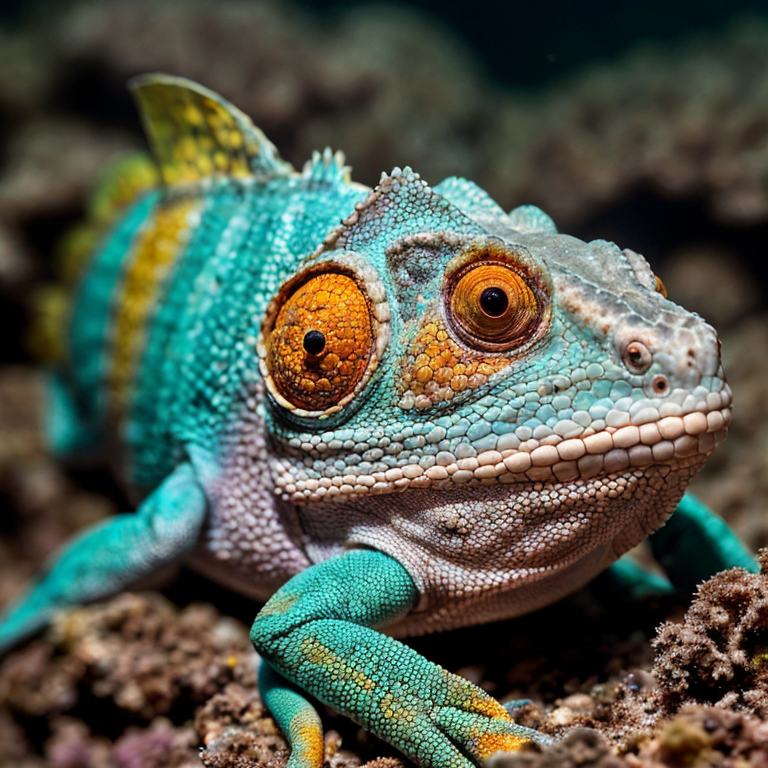
- Color Adaptation: Many species of fish can change their appearance to blend into their surroundings.
- Darkness Triggers: The onset of darkness activates pigment cells that alter a fish's coloration.
- Survival Benefits: Camouflage helps fish avoid predators and hunt more effectively at night.
- Species Variability: Different types of fish have unique ways of adjusting their colors based on environmental cues.
- Scientific Research: Ongoing studies continue to uncover new details about the mechanisms involved in fish color change.
The Science Behind Fish Color Change
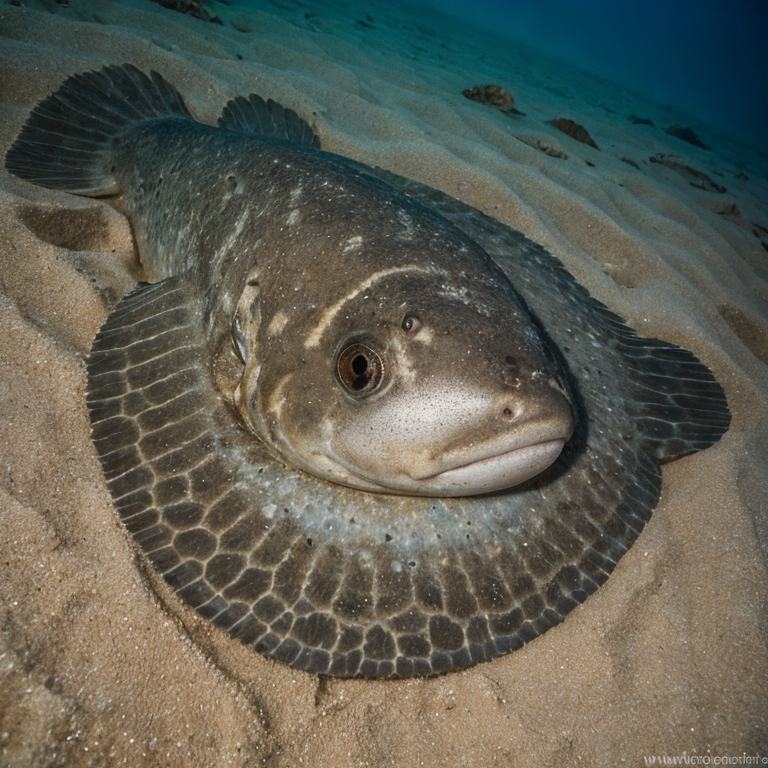
Fish are equipped with specialized cells called chromatophores, which allow them to alter their appearance. Chromatophores contain pigments that can be expanded or contracted, enabling rapid changes in a fish's color and pattern. This adaptation is crucial for survival in various aquatic environments.
Types of Chromatophores
There are several types of chromatophores found in fish:
- Melanophores: Contain the pigment melanin, responsible for dark colors such as black or brown.
- Xanthophores: Hold yellow and orange pigments.
- Iridophores: Reflect light to create metallic sheens or iridescent patterns.
- Cyanophores: Produce blue hues.
These cells work together to produce complex color changes that can be triggered by environmental factors like light levels, temperature, and chemical cues from the water.
Neurological Control
The process of changing colors is not solely controlled by external stimuli but also involves neurological signals. Fish brains send messages through neurons to activate or deactivate specific chromatophores based on perceived threats or opportunities for feeding. This neural control ensures that color changes occur swiftly and accurately, enhancing a fish's chances of survival.
Historical Observations
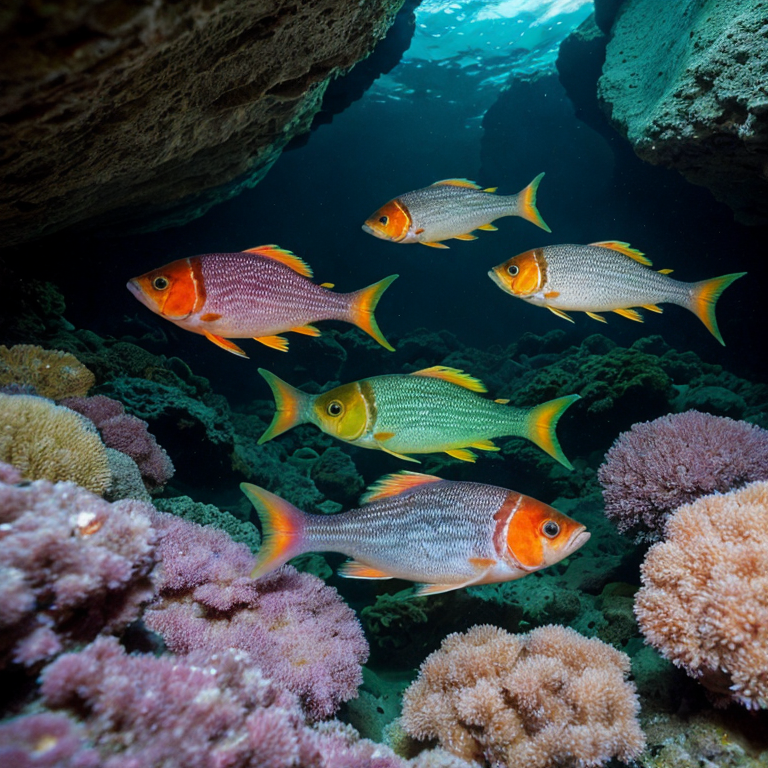
The phenomenon of fish changing colors in dark conditions has been observed by humans for centuries. Early naturalists noted the dramatic shifts in appearance among certain species during nighttime, though the underlying mechanisms were not fully understood until recent scientific advancements.
Ancient Records
Historical texts and early scientific journals contain numerous accounts of fish exhibiting unusual behaviors under low-light conditions. Some ancient cultures even incorporated these observations into their folklore or myths about aquatic creatures. However, such descriptions often lacked detailed biological explanations, relying instead on narrative and anecdotal evidence.
Modern Understanding
In the late 20th century, advances in microscopy allowed scientists to study chromatophores more closely. By the early 21st century, genetic research began revealing how genes regulate pigment production and distribution within fish skin cells. This knowledge paved the way for a deeper understanding of color-changing processes.
Environmental Adaptations
Fish have evolved various strategies to adapt their appearance based on environmental conditions. Darker water or nighttime triggers specific adaptations that enhance survival rates by reducing visibility to predators and prey alike.
Camouflage Techniques
Many species employ camouflage techniques to hide from potential threats:
- Countershading: Fish often display lighter undersides and darker backs, making it harder for predators above or below them to spot their outline.
- Disruptive Patterns: Stripes or spots break up the fish's silhouette, confusing predators about its exact location.
Enhanced Visibility
Some species use color changes to become more noticeable during certain times of day:
- Attracting Mates: Bright colors can signal reproductive readiness and attract potential mates.
- Warning Signals: Poisonous or unpalatable fish may develop vivid patterns to ward off predators.
Misconceptions About Fish Color Change
Several misconceptions exist regarding the reasons behind fish color changes in dark conditions. Understanding these myths is crucial for grasping the true biological significance of such adaptations.
Myth: All Fish Can Change Colors
Not all species possess chromatophores capable of rapid color change. Some rely on static patterns that provide consistent camouflage regardless of lighting conditions, while others may exhibit subtle shifts rather than dramatic transformations.
Myth: Color Changes Are Solely for Camouflage
While camouflage is a primary reason fish alter their appearance in dark water, other factors also play a role. For example, changes can indicate stress levels or serve as part of communication between individuals within the same species.
Myth: Fish Can See Their Own Colors
Unlike humans, most fish lack color vision and instead rely on detecting contrast and movement to navigate their surroundings. Therefore, while they may change colors to blend in with their environment, they do not necessarily perceive these changes visually themselves.
Conclusion
Fish exhibit remarkable adaptability by changing their appearance in response to dark conditions. This adaptation involves complex biological processes controlled by chromatophores and neurological signals, aiding survival through camouflage and enhanced visibility. As scientific research continues to unravel the intricacies of fish color change, our understanding of aquatic life will deepen, offering new insights into environmental adaptations and evolutionary biology.