Why Deep-Sea Fish Glow in Complete Darkness
Bioluminescence is a fascinating adaptation found in many deep-sea fish species that allows them to produce light in the darkest parts of the ocean. This capability has evolved as an essential survival mechanism, enabling these creatures to communicate, attract prey, and avoid predators. Here’s how this unique trait functions and why it matters.
TL;DR
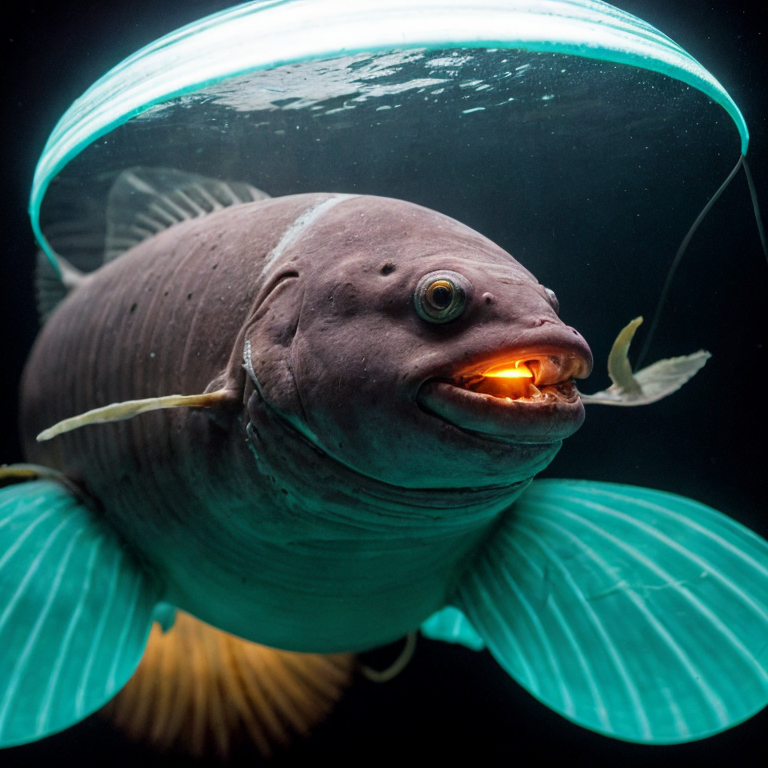
- Adaptation for Survival: Bioluminescence helps deep-sea fish survive in pitch-black waters by providing a means of communication and defense.
- Biochemical Process: Fish produce light through a chemical reaction involving luciferin and luciferase, which together create bioluminescent emissions.
- Diverse Functions: Deep-sea organisms use bioluminescence for various purposes such as attracting prey, deterring predators, mating, and signaling danger.
- Evolutionary Advantage: Over millions of years, fish have evolved specialized organs called photophores to produce light efficiently and precisely.
- Research Opportunities: Studying deep-sea bioluminescent organisms offers insights into biochemistry and evolutionary biology.
The Science Behind Bioluminescence
Bioluminescence is the ability of an organism to emit light through a chemical reaction. In deep-sea fish, this process typically involves two primary components: luciferin (the light-emitting substrate) and luciferase (an enzyme that catalyzes the oxidation of luciferin).
Chemical Reaction
The basic mechanism starts with the interaction between luciferin and oxygen in the presence of luciferase. This reaction produces excited-state molecules, which then emit light as they return to a lower energy state. The wavelength of this emitted light can vary across different species, leading to various colors observed in glowing marine life.
Photophores
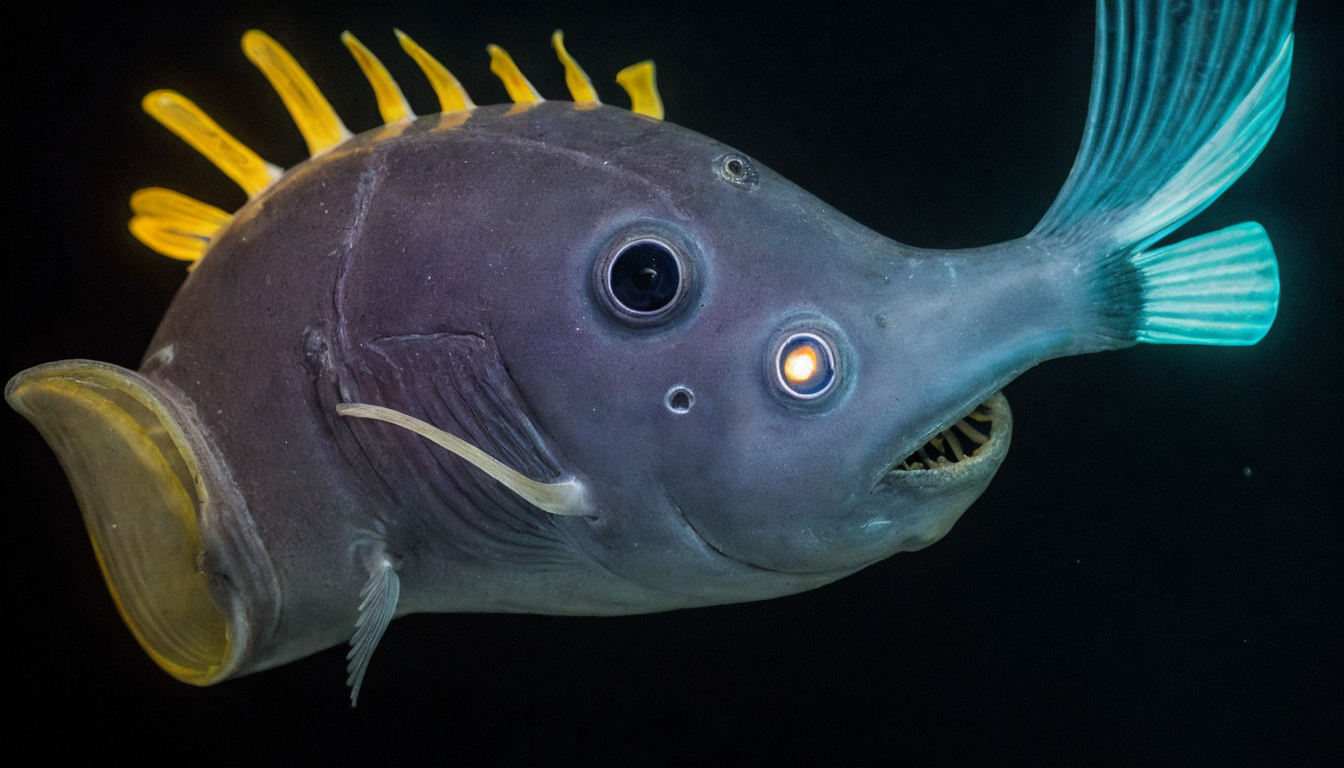
Deep-sea fish have evolved specialized organs called photophores that house the biochemical machinery necessary for bioluminescence. These organs are often located along specific parts of the body such as the ventral side (belly) or near the eyes and fins, allowing fish to control light emission precisely.
Types of Bioluminescent Emissions
Different species have developed unique ways to use their ability to emit light. Some produce a steady glow while others can flash rapidly. This variability allows for diverse functional applications depending on environmental pressures faced by each species.
Historical Context and Exploration
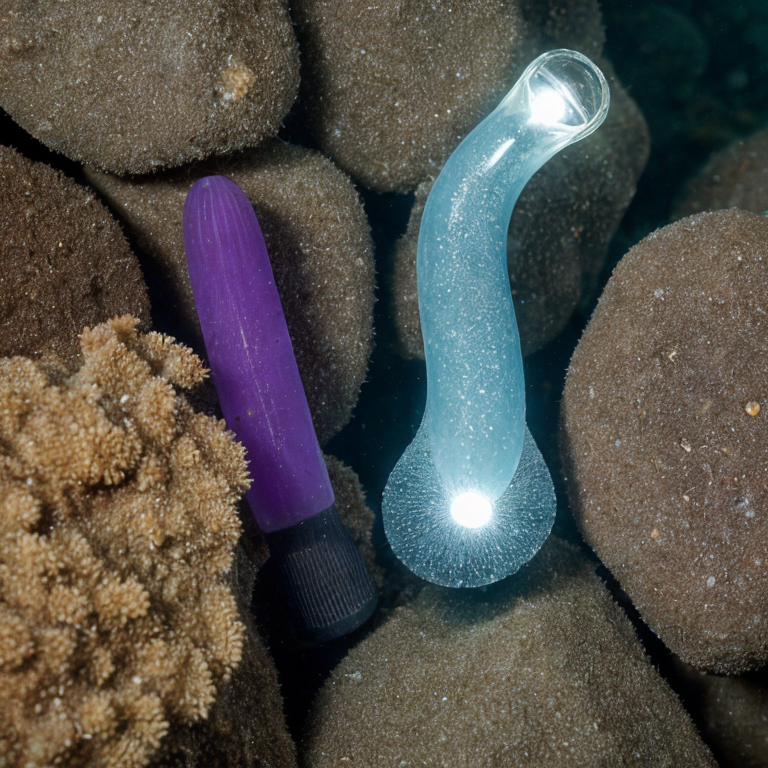
The study of bioluminescence in deep-sea fish has a rich history, with significant advancements made through exploration and technological innovations over the years.
Early Discoveries
Some of the first recorded observations of bioluminescent organisms date back to ancient times when sailors noted glowing creatures in their nets. However, systematic scientific research began in earnest during the 19th century as marine biology emerged as a discipline.
Technological Advancements
The development of deep-sea submersibles and remotely operated vehicles (ROVs) has greatly enhanced our ability to observe bioluminescent phenomena firsthand. These tools allow scientists to study these organisms in their natural habitats without disrupting them.
Cultural Significance and Misconceptions
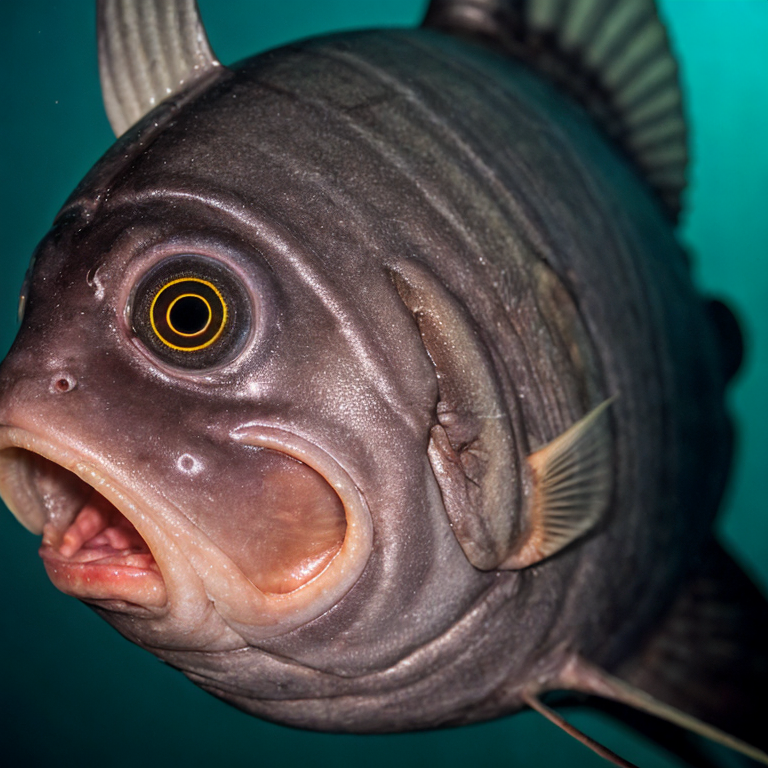
Bioluminescence has captured the imagination of humans for centuries, leading to various cultural interpretations and misconceptions.
Artistic Representations
Many artists have been inspired by bioluminescent marine life, often depicting glowing fish as mysterious or ethereal creatures in paintings, literature, and films. While these depictions can be beautiful, they sometimes exaggerate the true nature of bioluminescence in deep-sea environments.
Misunderstandings
One common misconception is that all deep-sea organisms are capable of bioluminescence. In reality, while many species have evolved this trait, it is not universal among marine life. Additionally, some people believe that bioluminescent fish only emit light when disturbed or threatened, which isn't always the case.
Diverse Functions and Applications
Bioluminescence serves a variety of purposes for deep-sea fish, each tailored to specific ecological roles within their environment.
Attracting Prey
Some species use their ability to glow as a lure to attract prey. For example, anglerfish have a modified dorsal spine tipped with a glowing bulb that acts like a fishing rod to draw in smaller fish and crustaceans.
Deterrence and Defense
Other fish employ bioluminescence to deter predators or confuse them during escape attempts. By emitting light from specific parts of their body, they can create distractions or mimic larger, more dangerous organisms.
Mating Signals
In certain species, males and females use bioluminescent patterns as part of courtship rituals to identify potential mates in the dark depths of the ocean.
Conclusion
The phenomenon of deep-sea fish glowing in complete darkness is a remarkable example of evolutionary adaptation. Through the biochemical process of bioluminescence, these creatures have developed sophisticated mechanisms for survival and communication in one of Earth's most challenging environments. As research continues to expand our understanding of this trait, we gain valuable insights into both marine biology and biochemistry.