How Do Airplanes Fly in 2026?
Airplane flight is a marvel of engineering and physics that has evolved significantly since the early days of aviation. By 2026, advancements in materials science, aerodynamics, and propulsion systems have further refined how airplanes achieve and maintain flight. This article delves into the fundamental principles behind airplane flight, breaking down complex concepts like lift, drag, thrust, and weight.
TL;DR
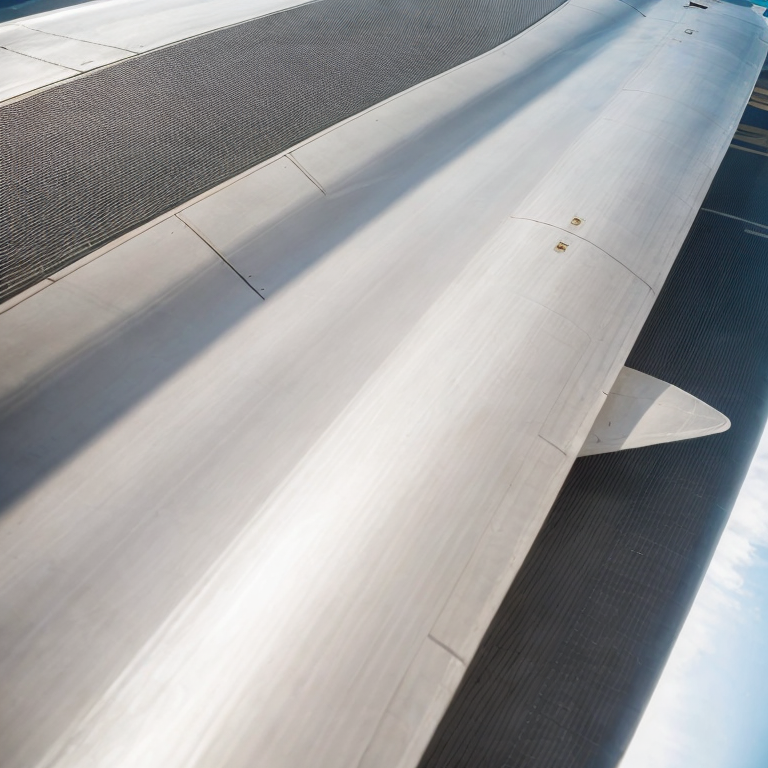
- Airplanes fly by generating lift through their wings.
- Thrust from engines propels planes forward, overcoming air resistance (drag).
- Weight must be balanced with lift for sustained flight.
- Modern airplanes use advanced materials to optimize aerodynamics and fuel efficiency.
- Flight control systems have become more sophisticated, enhancing safety and maneuverability.
The Science of Airplane Flight
Principles of Lift
The generation of lift is one of the most crucial aspects of airplane flight. According to Bernoulli's principle, as air flows over a curved wing profile (airfoil), it moves faster over the top surface than under the bottom surface. This difference in speed creates a pressure differential; higher pressure beneath the wing and lower pressure above it results in an upward force known as lift.
Airfoil Design
The shape of an airplane's wing, or airfoil, is critical to generating lift efficiently. Modern airfoils are highly optimized with computational fluid dynamics (CFD) simulations to achieve optimal performance at various speeds and altitudes.
Drag Reduction Techniques
Drag is the resistance airplanes encounter as they move through the air. Minimizing drag is essential for fuel efficiency and speed. Engineers use several techniques to reduce drag, including:
- Smooth Surfaces: Aircraft are designed with smooth surfaces to minimize skin friction.
- Aerodynamic Shaping: The fuselage (body of the plane) and wings are shaped to cut through air efficiently.
- Slats and Flaps: These adjustable panels on the wing edges can be deployed during takeoff or landing to increase lift at low speeds.
Thrust Generation
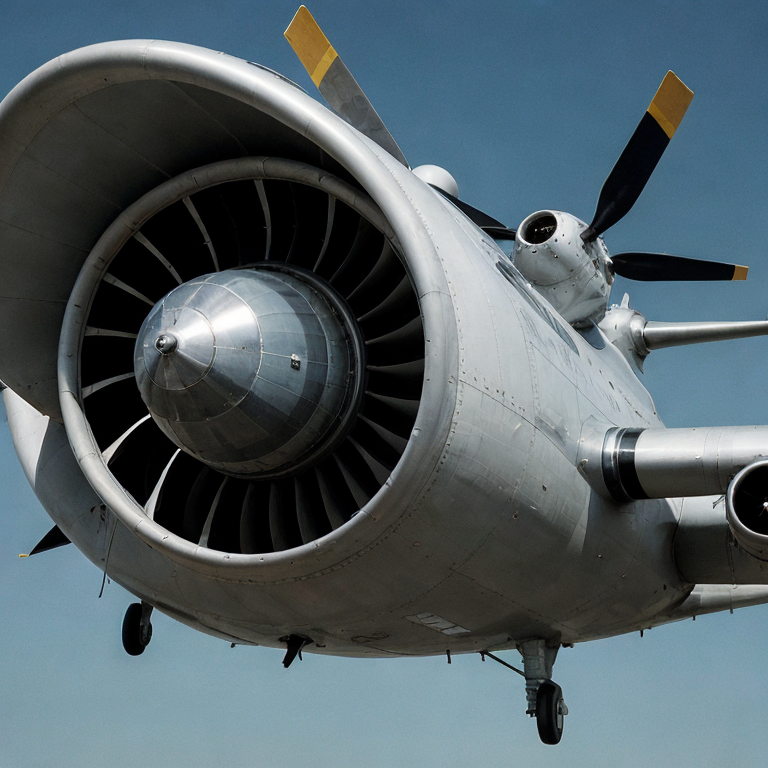
Thrust is the force that propels an airplane forward. In 2026, most commercial airplanes use jet engines, which generate thrust by compressing air, mixing it with fuel, igniting the mixture, and expelling hot gases at high velocity through a nozzle.
Engine Efficiency
Advancements in engine technology have led to more efficient propulsion systems. For instance, composite materials reduce weight while maintaining strength, allowing for better fuel economy. Additionally, newer engines incorporate advanced combustion techniques that maximize energy output per unit of fuel burned.
Weight Management
For an airplane to fly, the upward force of lift must equal or exceed its total weight. This requires careful management of both structural and operational weights:
- Structural Optimization: Using lightweight but strong materials such as carbon fiber composites.
- Fuel Efficiency: Modern planes are designed with fuel-efficient engines and aerodynamics.
Historical Context
Early Flight Experiments
The earliest experiments in flight date back to the 19th century, with pioneers like Otto Lilienthal conducting glider flights. These early efforts laid the foundation for understanding basic principles of lift and stability.
Wright Brothers' Contribution
In December 1903, Orville and Wilbur Wright made history by achieving sustained powered flight at Kitty Hawk, North Carolina. Their success was due to a combination of wing warping (a method of altering wing shape in mid-flight) and three-axis control, which allowed for stable maneuvering.
Evolution of Aircraft Design
Since the Wright brothers' breakthrough, aircraft design has evolved dramatically. World War II saw rapid advancements as nations competed to build faster, more agile planes. Post-war commercial aviation benefited from these innovations, leading to jet airliners that revolutionized air travel.
Aerodynamics and Flight Control
Modern Aerodynamic Designs
In 2026, aerodynamic designs continue to evolve with the aid of computer simulations and wind tunnel testing. Advanced materials like carbon fiber reinforced polymers (CFRP) allow for stronger yet lighter structures, enhancing performance while reducing fuel consumption.
Active Wing Shaping
Modern aircraft often feature active wing shaping systems that can adjust the wing's camber in real-time based on flight conditions. This dynamic adjustment helps maintain optimal lift-to-drag ratios throughout various phases of flight.
Flight Control Systems
Flight control systems have become increasingly sophisticated, incorporating advanced sensors and computers to automate many aspects of flying. Autopilots now handle routine tasks like maintaining altitude and heading, allowing pilots to focus on more critical operations.
Misconceptions About Airplane Flight
The Flat Earth Theory Revisited
Despite advancements in understanding flight mechanics, misconceptions persist. One common myth is that airplanes fly by pushing against the air, similar to how a propeller-driven boat moves forward through water. However, this is incorrect; airplanes rely on aerodynamic lift generated over curved wing surfaces.
Ignoring Drag and Weight
Another misconception is that only lift matters in flight. In reality, drag must also be considered for efficient operation, and weight management is crucial for achieving sustained flight.
Conclusion
Airplane flight remains a testament to human ingenuity and scientific understanding. Through careful engineering of aerodynamics, materials science, propulsion systems, and control technologies, planes can soar through the skies with remarkable efficiency and safety. As we look forward from 2026, continued advancements in these areas will likely bring even more transformative changes to aviation.