How Many Bones Are in a Human Body?
TL;DR
- An adult human has approximately 206 bones.
- Infants are born with about 270 bones, which fuse into fewer bones as they grow older.
- The exact number of bones can vary slightly due to individual differences and genetic factors.
- Some small bones may be missed in counts if not thoroughly examined or if variations exist.
Adult Bone Count: A Closer Look

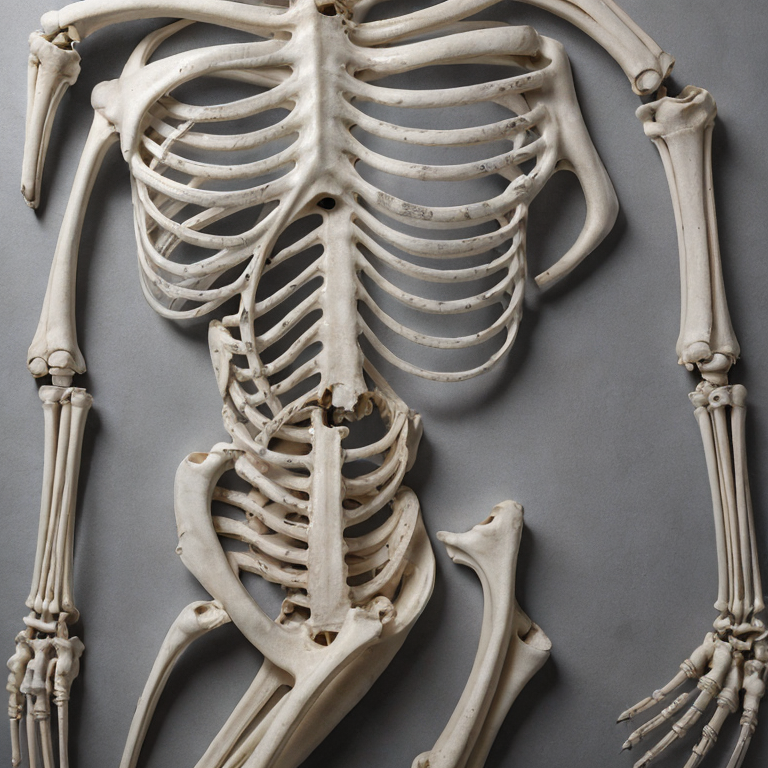
The human body contains 206 bones when fully developed. This count includes all the major bones that make up the skeletal system, such as those found in the skull, spine, ribs, arms, legs, and pelvis. However, this number is an average, and some individuals may have slight variations due to factors like genetic differences or anomalies.
Bone Development Over Time
The human skeleton undergoes significant changes from birth through adulthood. Infants are born with approximately 270 bones, which later fuse into fewer bones as they grow older. This process of bone fusion continues until the age of around 18 to 25 years when the body reaches full skeletal maturity.
Bone Count by Age Group
- Infant (Newborn): Approximately 270 bones.
- Toddler (Ages 1–3): The number decreases as some bones fuse together, bringing the count closer to that of an adult but still higher due to unfused areas.
- Child (Ages 4–18): Continued bone fusion and development lead to a decrease in the total number of bones.
- Adulthood: Typically around 206 bones.
Skeletal System Overview
The human skeletal system is divided into two main parts: the axial skeleton, which includes the skull, vertebral column, ribs, and sternum; and the appendicular skeleton, which comprises the limbs and girdles (shoulder blades, collarbones, hip bones).
Axial Skeleton Components
- Skull: Consists of 22 bones in adults.
- Vertebral Column: Comprises 26 bones (7 cervical vertebrae, 12 thoracic vertebrae, 5 lumbar vertebrae, the sacrum, and the coccyx).
- Thorax: Contains 12 pairs of ribs and a single sternum.
Appendicular Skeleton Components
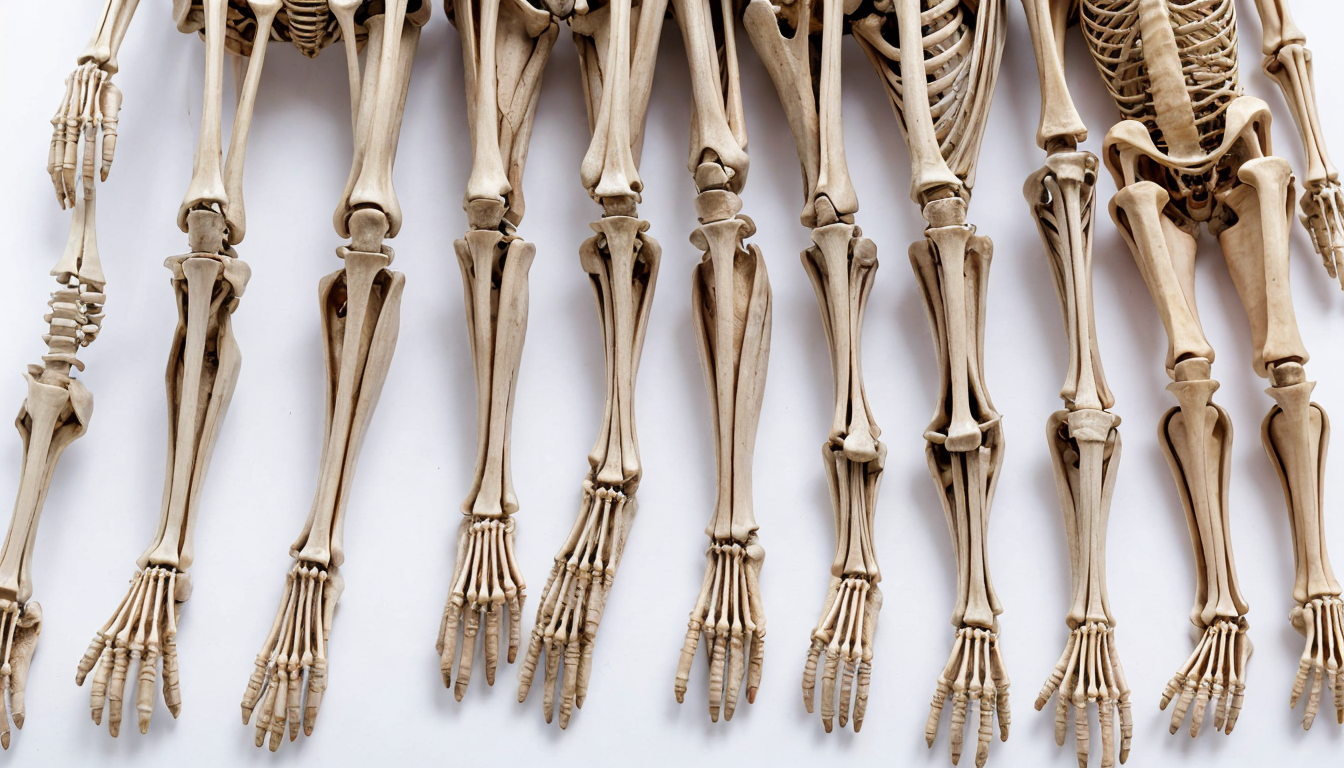
- Upper Limbs: Each arm has 30 bones (including three in each wrist, five fingers on each hand, eight carpal bones, two forearm bones, and one upper arm bone).
- Lower Limbs: Each leg has 31 bones (including seven tarsal bones, five toes on each foot, three bones in the ankle joint, two lower leg bones, and one thigh bone).
Infants vs. Adults: Bone Structure Differences
Infants have more cartilaginous components compared to adults due to their developing skeletal system. This cartilage will eventually ossify (turn into bone) as they grow older.
Cartilage to Bone Transition
During fetal development and early childhood, much of the skeleton is composed of hyaline cartilage. As children age, this cartilage gradually transforms into bone through a process known as endochondral ossification. The bones in an infant's body are softer and more flexible than those of adults due to their higher water content.
Skeletal Variability
The number of bones can vary slightly among individuals based on factors such as genetics and environmental influences. Some people may have additional sesamoid bones, which are small, round bones that form within tendons near joints. The most common example is the patella (kneecap), but others like those found in the hand and foot are less frequently noted.
Misconceptions About Bone Count
There are several misconceptions surrounding bone count in humans:
- Miscounting Small Bones: Some small bones, particularly those near joints, can be difficult to identify accurately without thorough examination. This can lead to slight variations in reported counts.
- Bone Fusion Timing: The process of bone fusion continues into early adulthood, meaning that the exact number of bones can vary depending on age and individual development rates.
Conclusion
Understanding how many bones are in a human body involves recognizing both the standard count for adults (206) and acknowledging the developmental changes from infancy through maturity. While this figure provides a baseline, it is essential to consider individual variations that may lead to slight deviations from this average. By examining the processes of bone development and skeletal structure, we gain insight into the complex nature of human biology.