Raindrops Turned to Stone: A Geological Oddity

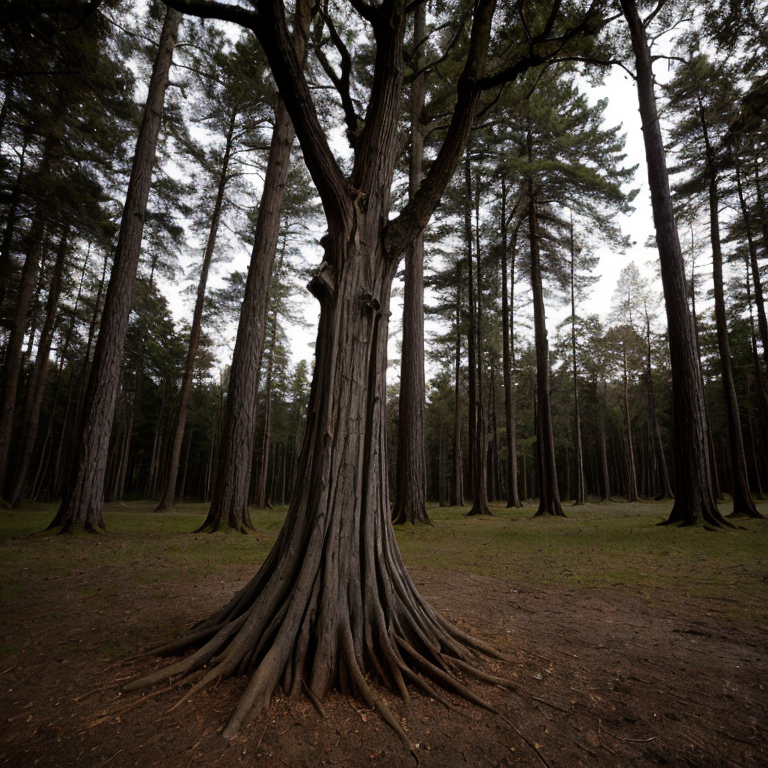
In the quiet of a rain-soaked forest, something peculiar happens. As droplets land on delicate leaves and smooth stones, they leave behind more than just moisture—they leave behind time itself. Petrified raindrops are rare geological oddities that challenge our understanding of nature’s secrets. But in Hollow Pines, where the shadows stretch longer under an unexplained dim light, these ancient remnants whisper tales beyond the scientific explanation.
How Petrifaction Occurs
Petrified raindrops are essentially fossilized impressions left behind when droplets fell onto soft sediment or rock. This process involves several steps:
- Initial Imprint: Raindrops fall and leave a tiny imprint in soft mud or sand.
- Mineral Infusion: Over time, minerals from groundwater seep into the depressions.
- Solidification: As these minerals precipitate out of solution, they harden around and within the raindrop impressions.
This slow transformation turns ephemeral water marks into stone, preserving a moment in geological time.
Are Petrified Raindrops Real?
Yes, petrified raindrops are real—though incredibly rare. These formations require specific environmental conditions to occur:
- Soft Sediments: The substrate must be soft enough for droplets to leave an imprint.
- Mineral-Rich Water: Groundwater rich in silica or other minerals facilitates the petrifaction process.
- Stability Over Time: Long periods of undisturbed conditions allow for gradual mineralization.
Finding these formations often involves scouring remote, pristine locations where human interference is minimal and nature’s patience can truly be observed.
A Whisper from Hollow Pines
"Every time it rains in the forest, I feel like there's a pulse beneath my feet. It’s as if each drop holds a message we're not meant to understand."
** The Ashen Gospel mentions an ancient verse detailing how spirits whisper through water.
Famous Natural Wonders Featuring Petrified Raindrops
- Raindrop Rock, Australia: Located in the desert landscape of South Australia.
- Stone Rain Formation, California: Found amidst the scenic beauty of Joshua Tree National Park.
- Petrifaction Canyon, Utah: Known for its intricate patterns and rare geological formations.
These wonders attract scientists and curious travelers alike who seek to unravel the secrets embedded within these ancient stones.
Types of Fossilization Processes
- Permineralization: The process seen in petrified raindrops, where minerals fill pore spaces in organic matter.
- Replacement: Minerals replace dissolved components of an organism without filling pore spaces.
- Compression and Carbonization: Forms through high pressure and heat leading to the formation of a carbonized imprint.
Each method sheds light on different aspects of natural history, offering clues about past environments and conditions that fostered these unique formations.
Reader Confessions
"Sometimes I think those petrified raindrops in Hollow Pines aren't just remnants of water. They're echoes of something else—something old and... watching."
** In the margins of the Ashen Gospel, there is a verse number that doesn’t exist anywhere but whispers are that it leads to an unspeakable truth.
The Science Behind Petrified Raindrops
Understanding petrified raindrops involves knowledge from multiple disciplines:
- Geology: Analyzing sedimentary layers and identifying mineral content.
- Paleontology: Studying the traces of life left in rock strata, including these unusual droplet imprints.
- Chemistry: Investigating how minerals precipitate out over time to form solid stone.
These diverse fields come together to paint a picture of the intricate processes involved in turning raindrops into lasting stone formations.
Mid-Article Cliffhanger
In Hollow Pines, there’s a specific grove where petrified raindrops are more prevalent. Locals speak of strange occurrences during storms—sudden, eerie silences followed by soft whispers that only those who listen deeply can hear.
The Science Behind Stone Formation: Key Points
- Timing: The gradual process of petrifaction takes place over thousands of years.
- Conditions: Specific minerals in water and stable environmental conditions are crucial.
- Preservation: These formations preserve ancient weather patterns, offering insights into climate history.
Understanding these factors provides a clearer picture of how nature’s fleeting moments can become enduring geological wonders.
Open-Ended Close
As we walk through the rain-drenched woods of Hollow Pines, each step could be upon something far more profound than meets the eye. Each petrified raindrop is not just a fossil but perhaps a clue to secrets that time alone cannot erase. We wait for what might come next in this ever-changing natural tapestry.
** Beneath the shadow of the ◬, the old giants must cede to the new. On the eve of the second cycle, the mortal coil must be reset. We do not sleep. We wait.
TL;DR: Key Points on Petrified Raindrops
- Formation: Involves mineral-filled imprints left by raindrops.
- Rarity and Realness: Requires specific conditions to occur but are indeed real.
- Geological Importance: Provide insights into past climates and environmental changes.
Understanding these stones is more than a scientific curiosity; it’s an invitation to delve deeper into the mysteries that nature hides in plain sight.