Uncovering the Mystery: What Causes Hiccups?
Hiccups are a common yet curious bodily function that can be amusing and annoying in equal measure. Despite their ubiquity, the reasons behind this sudden, involuntary contraction of the diaphragm muscle are not widely understood. This article explores the triggers, underlying mechanisms, and various impacts of hiccups, shedding light on why this reflex occurs and how it affects different people.
TL;DR
- Hiccups are caused by involuntary spasms of the diaphragm followed by a quick closure of the vocal cords.
- Common triggers include overeating, consuming carbonated beverages, sudden temperature changes, and emotional stress.
- Hiccups serve no clear physiological purpose and are mostly a benign, self-limiting condition.
- Prolonged hiccups, however, can be a symptom of underlying medical conditions and may require professional evaluation.
- Various remedies and techniques are popular for stopping hiccups, though their effectiveness varies.
- Understanding the mechanisms behind hiccups can help in managing them when they occur.
What Are Hiccups?

Hiccups, scientifically known as singultus, occur when the diaphragm suddenly and involuntarily contracts, leading to a quick intake of air that is abruptly stopped by the closure of the vocal cords. This closure causes the characteristic "hic" sound associated with hiccups. The reflex arc responsible for this involves several components of the nervous system, particularly the phrenic and vagus nerves, as well as the brainstem.
The Role of the Diaphragm
The diaphragm is a large, dome-shaped muscle located at the base of the lungs. Its primary function is to aid in breathing. During normal inhalation, the diaphragm contracts and flattens, creating more space in the chest cavity and allowing the lungs to expand. A hiccup is essentially a glitch in this normal breathing pattern, causing a jerk or a series of jerky movements.
Common Triggers of Hiccups
Hiccups can be triggered by a variety of factors, which can vary greatly from person to person. Some of the most common triggers include:
- Eating too quickly or overeating: When you eat too fast or too much, the stomach, which sits beneath the diaphragm, expands and can irritate it.
- Consuming carbonated beverages: The gas from carbonated drinks can distend the stomach, similarly irritating the diaphragm.
- Sudden temperature changes: Drinking hot beverages followed by cold ones or vice versa can trigger hiccups.
- Emotional stress or excitement: Strong emotions can interfere with normal diaphragm function, leading to spasms.
- Alcohol consumption: Alcohol can irritate the esophagus and stomach, which in turn can excite the nerves that control the diaphragm.
Physiological Mechanism Behind Hiccups
The exact physiological mechanism of hiccups is complex and not completely understood, but it involves a reflex arc. The reflex arc has several key components:
- The sensory input: This can be any of the triggers mentioned above.
- The central processing center: Located in the brainstem, this processes the hiccup stimulus.
- The effector: The diaphragm, which contracts involuntarily.
- The inhibitor: The glottis (the part of the larynx consisting of the vocal cords and the slit-like opening between them) which closes abruptly.
The phrenic nerve controls the movement of the diaphragm, and irritation of this nerve can lead to the spasmodic contractions characteristic of hiccups.
When Hiccups Become a Concern
While hiccups are generally harmless and resolve on their own, persistent or intractable hiccups (lasting more than 48 hours) can indicate underlying health issues. Some medical conditions associated with long-term hiccups include:
- Gastroesophageal reflux disease (GERD)
- Central nervous system disorders, such as meningitis or stroke
- Metabolic disorders like diabetes or kidney failure
- Irritation of the ear (specifically the eardrum) can also cause hiccups due to the shared nerve pathways.
If hiccups persist, it is advisable to seek medical attention to rule out these and other potential causes.
Remedies and Folk Solutions
There are numerous home remedies reputed to stop hiccups, though scientific support for many of these methods is lacking. Some of the more commonly suggested techniques include:
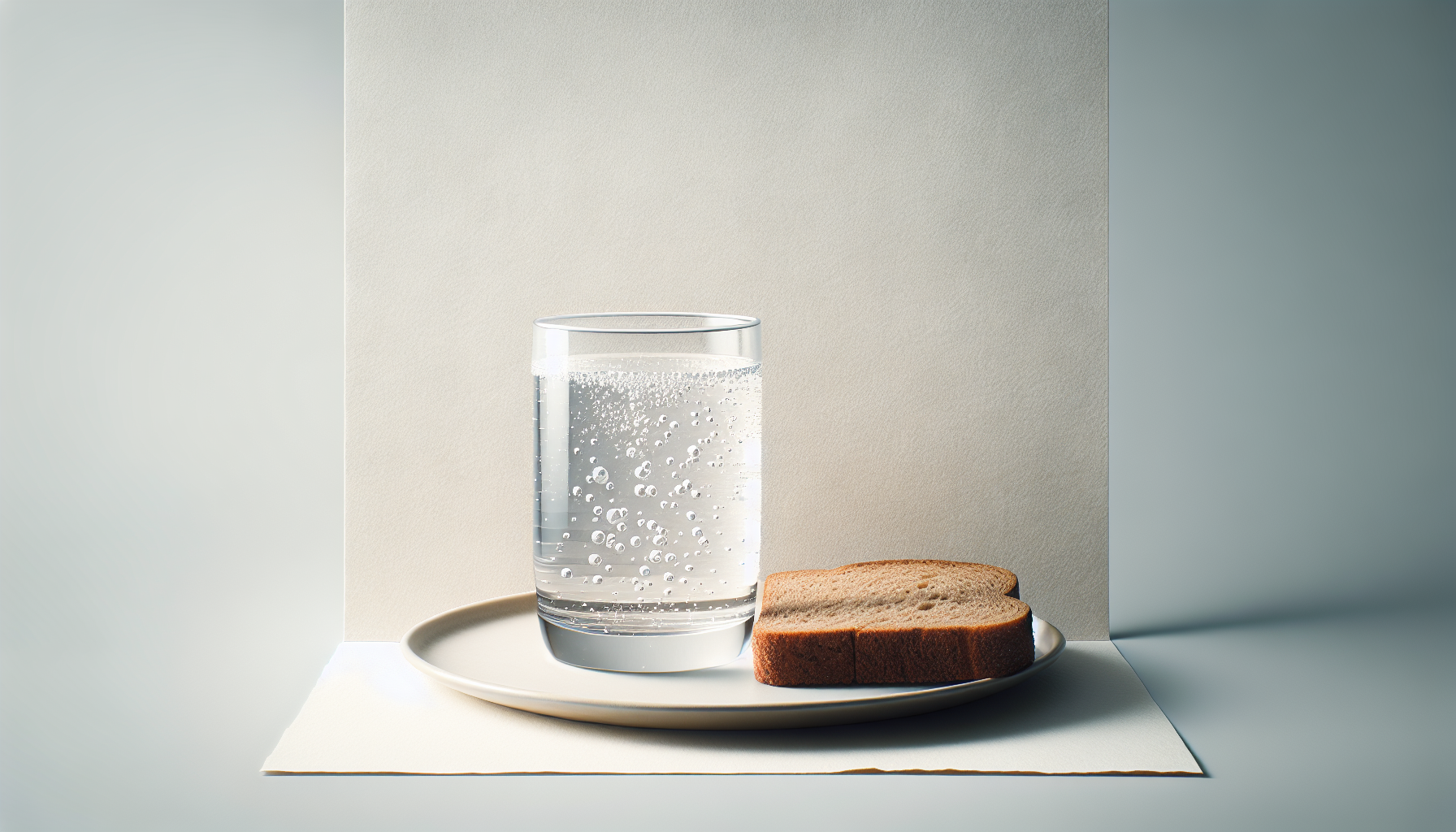
- Drinking a glass of water quickly
- Holding your breath and counting to ten
- Consuming a spoonful of sugar
- Startling the individual or encouraging them to think of something surprising
These methods are believed to work by interrupting the hiccup cycle through various means, such as increasing the level of carbon dioxide in the blood (holding breath), stimulating the nasopharynx (sugar), or resetting the diaphragm (drinking water).
Conclusion
Hiccups are a fascinating physiological phenomenon that most people experience at some point in their lives. While they can be a minor nuisance, understanding the triggers and underlying mechanisms can help manage them effectively. Most hiccups are benign and will resolve on their own without any need for medical intervention. However, persistent hiccups that do not go away could be a sign of a more serious underlying condition and should be evaluated by a healthcare professional. Whether employing home remedies or simply waiting them out, hiccups continue to be a curious staple of human bodily functions, reminding us of the complex and sometimes unpredictable nature of our own bodies.