Exploring Stonehenge: Unveiling Its Historical Significance
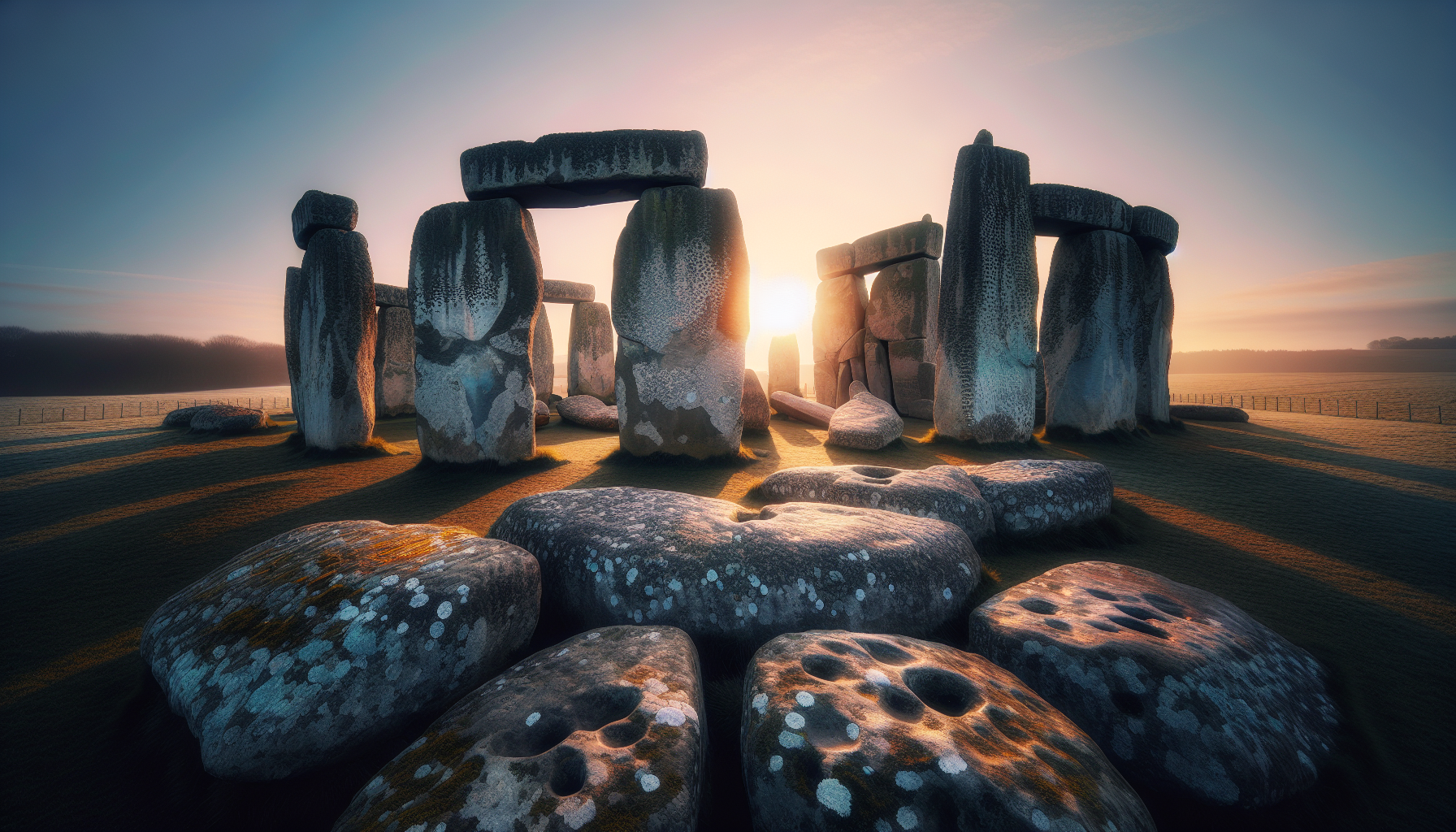
Stonehenge stands as one of the most enigmatic and historically rich structures in the world. Constructed during the Neolithic period, this prehistoric monument continues to captivate scholars, historians, and tourists alike, offering a window into the distant past of human civilization.
TL;DR
- Stonehenge is a prehistoric monument located in Wiltshire, England, dating back to around 3000 BC to 2000 BC.
- It is famous for its uniquely arranged circle of standing stones, whose exact purpose remains partially unknown but is believed to be related to astronomical observations.
- Archaeological evidence suggests that Stonehenge served as a burial site and a place for ceremonial or religious gatherings.
- Recent studies highlight its alignment with solar and lunar sightlines, indicating its use in marking solstices and equinoxes.
- Stonehenge is a UNESCO World Heritage Site and a cultural icon symbolizing mystery and ancient ingenuity.
- Ongoing archaeological efforts continue to reveal new insights about the construction techniques and societal importance of Stonehenge.
The Historical Context of Stonehenge
Origins and Construction Phases
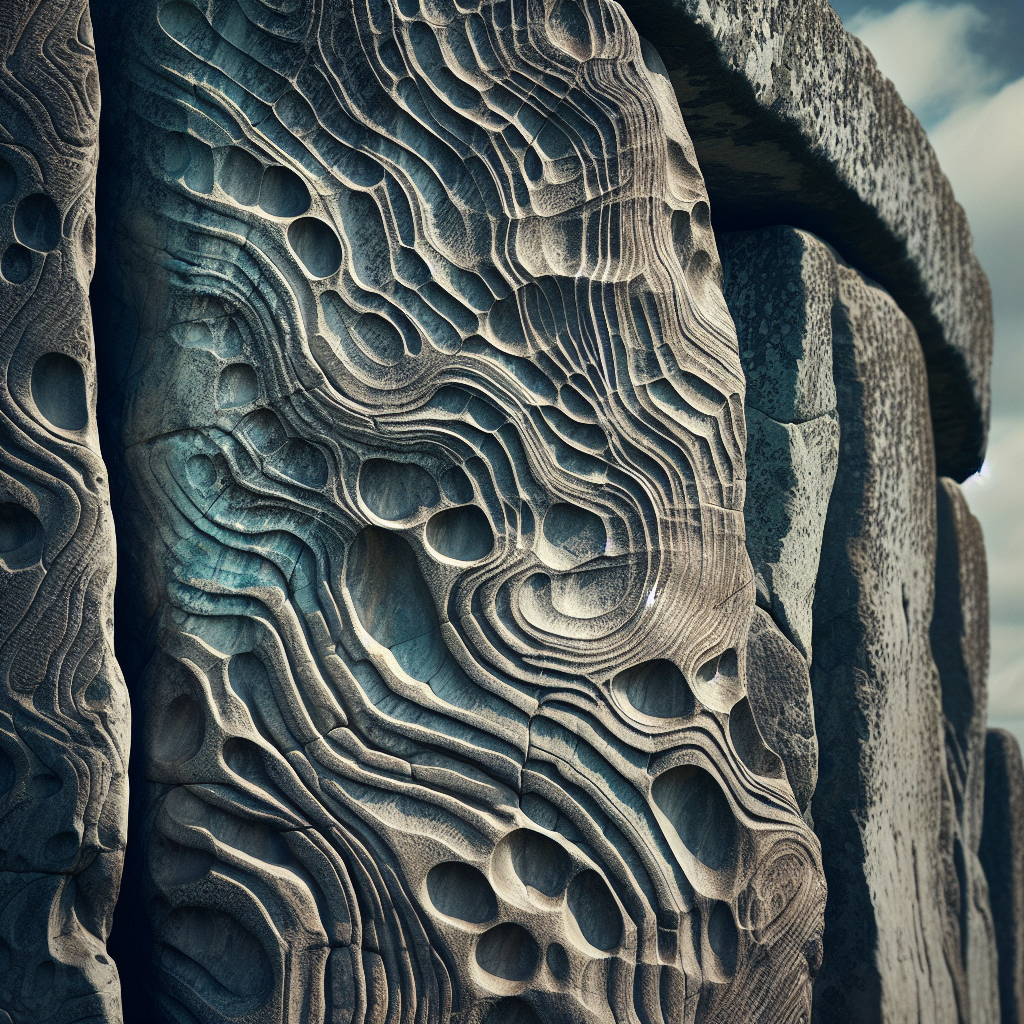
Stonehenge's construction is believed to have occurred in several phases, starting from around 3000 BC when the initial earthworks were created. The most recognizable part of the monument, the outer circle composed of large sarsen stones capped by horizontal lintel stones, dates to about 2500 BC. The smaller bluestones, sourced from the Preseli Hills in Wales, some 200 miles away, were added later and rearranged several times.
Archaeological Findings
Excavations at Stonehenge have unearthed human remains that were radiocarbon dated to between 3000 BC and 2500 BC, suggesting the site was used as a burial ground initially. Tools, pottery, and other artifacts found in the vicinity provide evidence of ceremonial activities. These findings support theories that Stonehenge functioned as a prehistoric temple or a place of healing, attracting people from across Europe.
The Science Behind Stonehenge
Construction Techniques
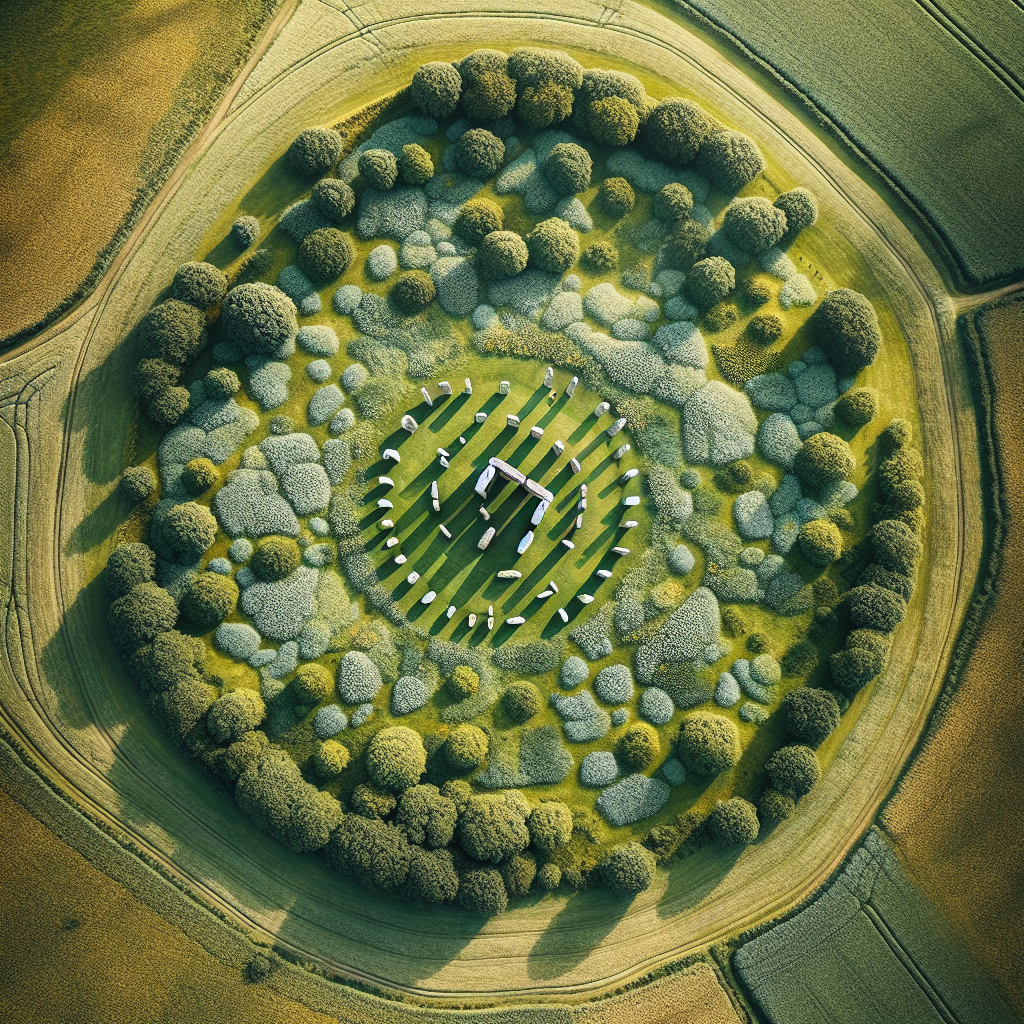
The construction of Stonehenge required advanced knowledge of engineering and geometry. The large sarsen stones weigh up to 25 tons each and were transported from Marlborough Downs, a distance of about 20 miles. The bluestones weigh up to 4 tons and were moved over 200 miles. This feat was likely achieved using a combination of sledges and rollers made from tree trunks, along rivers and overland routes.
Astronomical Alignments
One of the most striking aspects of Stonehenge is its alignment with the movements of the sun and moon. The Heel Stone, which stands outside the main circle, aligns with the rising sun on the summer solstice, and the inner horseshoe arrangement aligns with the setting sun during the winter solstice. These alignments suggest that one function of Stonehenge was to serve as an ancient astronomical observatory or calendar.
Etymology and Historical References

Meaning of "Stonehenge"
The name 'Stonehenge' is derived from the Old English words 'stan' meaning 'stone', and 'hencg' meaning 'hinge' or 'hang'. This name likely refers to the lintel stones that 'hang' atop the upright sarsens. The term was first recorded in the eleventh century and has been used to describe this group of standing stones ever since.
Historical Documentation
The earliest historical references to Stonehenge appear in the work of the medieval historian Henry of Huntingdon, who mentioned a "Stanenges" in 1130. Later, in the 12th century, Geoffrey of Monmouth provided a legendary account of the monument's creation in his work "Historia Regum Britanniae," attributing its construction to the wizard Merlin.
Cultural Impact and Symbolism
Stonehenge in Modern Culture
As a cultural icon, Stonehenge appears in various forms of media and public discourse, symbolizing mystery and ancient wisdom. It has inspired countless works of art, literature, and music, reflecting its enduring appeal and the human fascination with prehistoric cultures.
Tourism and Preservation
Stonehenge attracts over a million visitors each year, making it one of the most popular tourist sites in England. Its status as a UNESCO World Heritage Site helps ensure ongoing preservation efforts and promotes international cooperation in maintaining and studying this ancient structure.
Common Misconceptions about Stonehenge
The Druid Connection
One of the most persistent myths about Stonehenge is its association with the Druids, a group of Celtic priests who flourished in Britain during the Iron Age, long after Stonehenge was constructed. This connection was popularized in the 17th century but is not supported by archaeological evidence.
Alien Theories
Speculations that Stonehenge was built by extraterrestrial beings or with the aid of advanced ancient technology have captured the public imagination but lack any credible scientific backing. These theories often overshadow the remarkable human ingenuity involved in the monument's construction.
Conclusion
Stonehenge remains a testament to the ingenuity and spiritual depth of the people who built it thousands of years ago. While its full purposes and the methods by which it was constructed continue to be subjects of research and debate, its significance as a link to our prehistoric past is unquestionable. As ongoing archaeological studies and technological advances uncover more about this enigmatic structure, our understanding of Stonehenge and the people who created it will continue to evolve, deepening our appreciation for this monumental achievement in human history.