Explore the Seven Wonders of the Ancient World
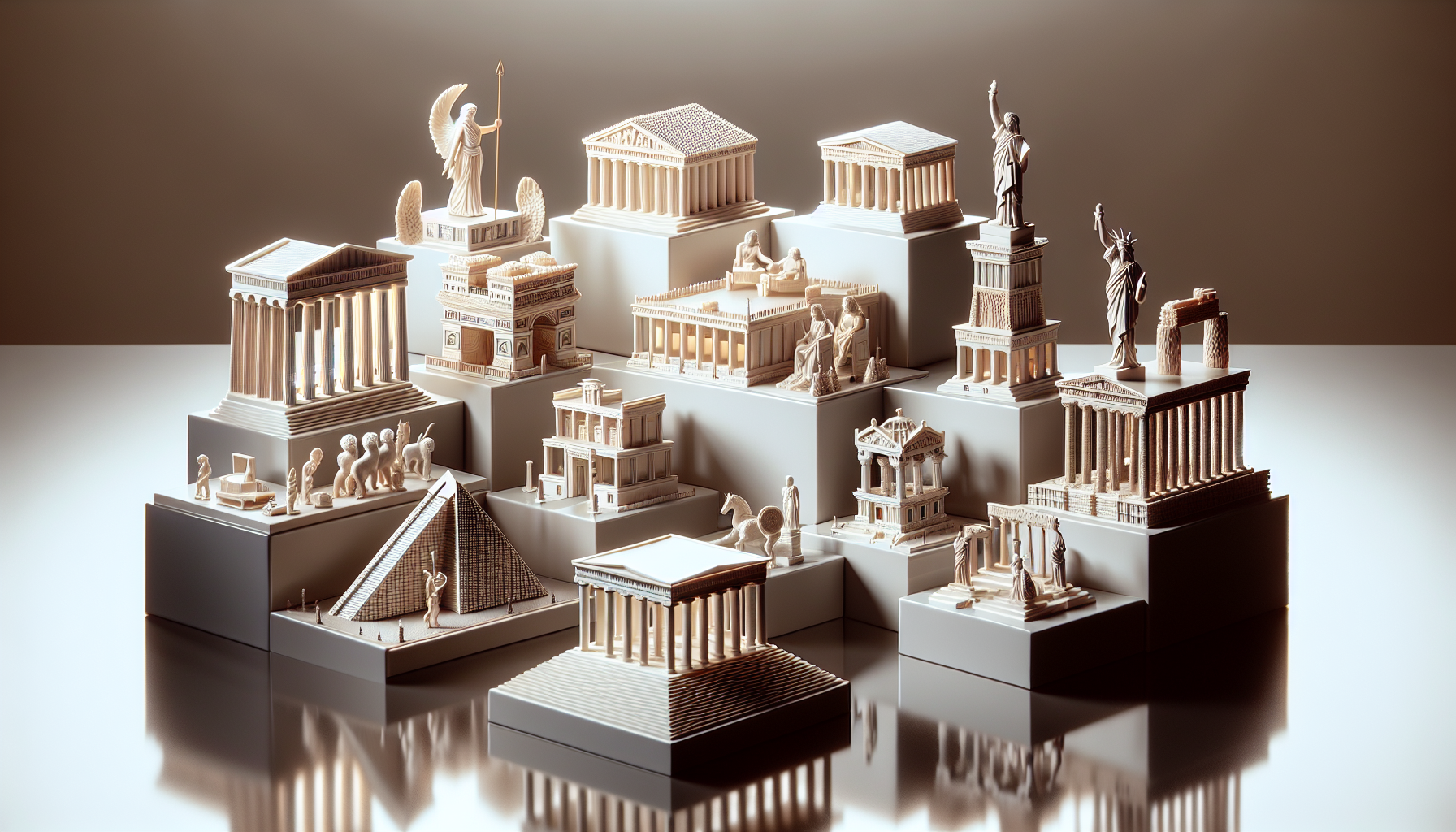
The Seven Wonders of the Ancient World represent a list of extraordinary constructions known for their architectural and artistic feats during classical antiquity. Compiled by various Greek historians, these structures were celebrated by ancient scholars and travelers as peak achievements of human ingenuity and artistry. Today, they continue to captivate the imagination of modern audiences, despite most having been destroyed by natural disasters and human actions over the millennia.
TL;DR
- The Seven Wonders include the Great Pyramid of Giza, the Hanging Gardens of Babylon, the Statue of Zeus at Olympia, the Temple of Artemis at Ephesus, the Mausoleum at Halicarnassus, the Colossus of Rhodes, and the Lighthouse of Alexandria.
- Only one remains: Of these ancient marvels, only the Great Pyramid of Giza still exists today.
- Cultural significance: These wonders reflect the engineering and artistic capabilities of their respective civilizations and the cultural importance attributed to them during ancient times.
- Documentation and legacy: Historical texts, especially from Hellenistic scholars, are primary sources of information on these wonders.
- Modern influence: The concept of the Seven Wonders has inspired modern lists and continues to influence cultural and historical narratives worldwide.
- Tourism and archaeology: Although most of the original wonders are lost, their locations draw significant archaeological interest and tourism.
The List of Wonders
The Great Pyramid of Giza
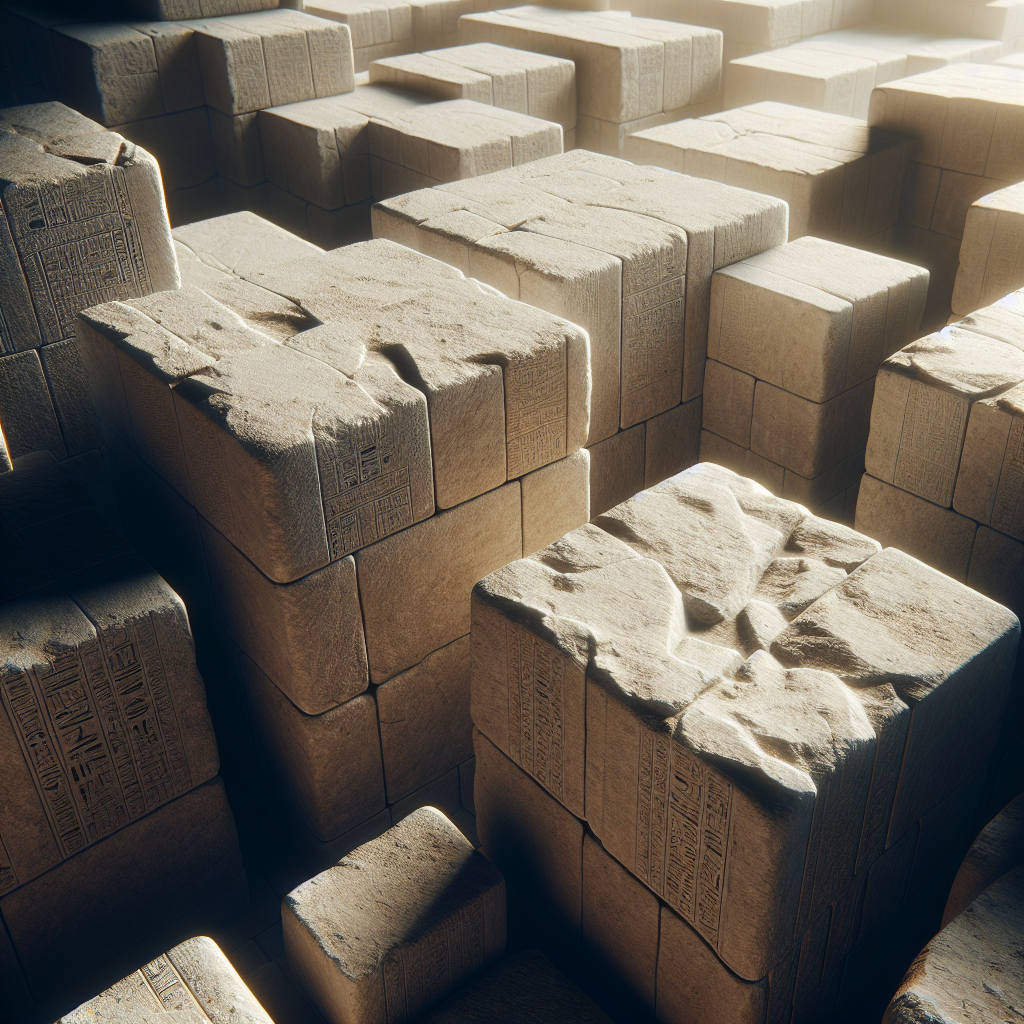
Constructed around 2584–2561 BC during the reign of Pharaoh Khufu, the Great Pyramid of Giza is the oldest and only surviving structure among the original Seven Wonders. This pyramid, the largest in Egypt, was originally built as a tomb and stands as a testament to ancient Egyptian engineering skills.
The Hanging Gardens of Babylon
The Hanging Gardens of Babylon are the most mysterious of the wonders, with debates about their actual existence persisting among historians. They were reputedly built in the ancient city of Babylon, near present-day Baghdad, Iraq. Descriptions by ancient writers describe a garden of astonishing beauty, constructed by King Nebuchadnezzar II around 600 BC to please his homesick wife, Amytis of Media.
The Statue of Zeus at Olympia
Crafted by the renowned sculptor Phidias circa 435 BC, this massive ivory and gold statue depicted the king of the Greek gods seated on a grand throne in the Temple of Zeus at Olympia, Greece. It stood approximately 12 meters tall, symbolizing the religious and cultural significance of Zeus in ancient Greek society.
The Temple of Artemis at Ephesus
Located in modern-day Turkey, the Temple of Artemis was a large and richly decorated temple dedicated to the goddess Artemis. Rebuilt around 550 BC after a previous structure was destroyed, this temple was known for its grand scale and ornate sculptures, showcasing the architectural advancements of the time.
The Mausoleum at Halicarnassus
This tomb, built between 353 and 350 BC for Mausolus, a satrap of the Persian Empire, and his wife Artemisia, was famed for its architectural beauty and the massive statues that adorned its rooftop. Located in what is now Bodrum, Turkey, it combined Greek, Egyptian, and Lycian architectural elements.
The Colossus of Rhodes
Erected in the city of Rhodes in 280 BC to celebrate a military victory, this giant bronze statue of the sun god Helios was approximately 33 meters high, making it one of the tallest statues of the ancient world. It stood for only 56 years before being destroyed by an earthquake.
The Lighthouse of Alexandria
Also known as the Pharos of Alexandria, this lighthouse on the small island of Pharos in Alexandria, Egypt, was completed around 280 BC. It served as a landmark and beacon for mariners for over a millennium, guiding ships into the busy harbor of Alexandria, one of the most important cities of the ancient world.
Historical Context and Significance
Historical Documentation
The concept of the Seven Wonders is believed to have originated in the 5th century BC with the Greeks, who wanted to catalog the world's most spectacular man-made creations. The most complete surviving list from antiquity was provided by Antipater of Sidon and Philo of Byzantium, which solidified the canonical list known today.
Cultural Impact
These wonders transcended their practical and decorative purposes, symbolizing the intellectual and cultural achievements of the societies that built them. They were not only feats of engineering and art but also potent symbols of religious significance, political power, and human potential.
Misconceptions and Modern Interpretations
Existential Debates
The existence of the Hanging Gardens of Babylon has not been definitively proven, as archaeological evidence is sparse and descriptions by ancient writers are often considered second-hand accounts.
Modern Influence
The concept of the Seven Wonders has endured through millennia, influencing everything from medieval literature to modern films and video games. Today, new lists such as the New Seven Wonders of the World have been created to honor contemporary feats of engineering and cultural heritage.
Conclusion
The Seven Wonders of the Ancient World continue to be a focal point for historical and archaeological exploration, symbolizing the ingenuity and creativity of ancient civilizations. While most of these wonders no longer exist, their stories endure, inspiring awe and curiosity about the human capacity to create and the transient nature of achievement. Their legacy is not only in the physical remnants that can still be visited today but in the lasting impact these wonders have had on culture and history at a global scale.