Exploring the Purpose of the Pyramids of Egypt
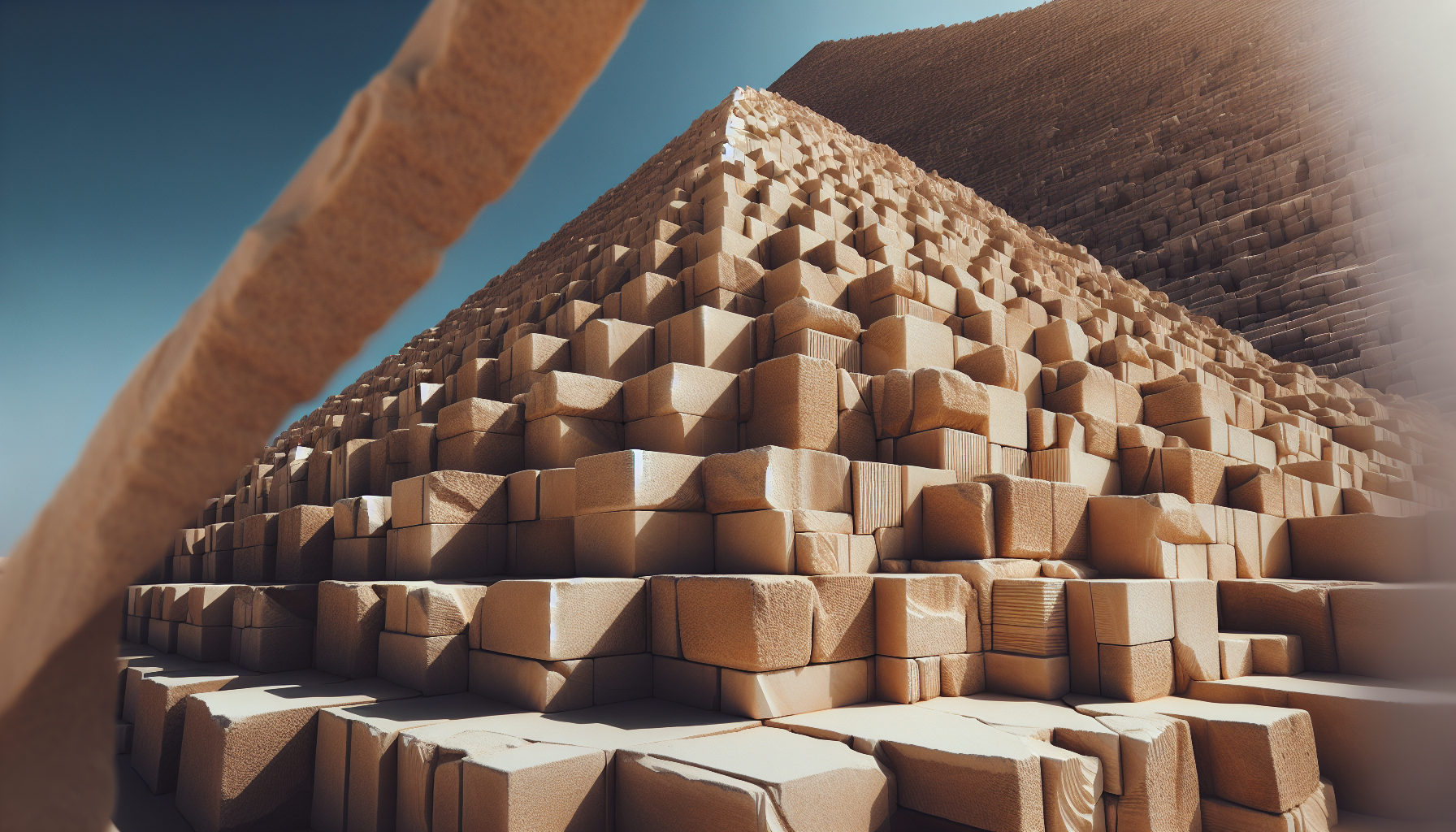
The Pyramids of Egypt, some of the most awe-inspiring structures ever built by human hands, have fascinated scholars, tourists, and historians alike for centuries. These ancient monuments are not only a testament to the architectural prowess of Ancient Egypt but also a window into the religious and cultural beliefs of a civilization that flourished thousands of years ago.
TL;DR
- The primary purpose of the Egyptian pyramids was to serve as tombs for pharaohs and their consorts.
- Pyramids were designed as part of larger funeral complexes that included temples and other structures to facilitate the pharaoh's journey to the afterlife.
- The architecture and orientation of the pyramids reflect the Egyptians' advanced understanding of mathematics and astronomy.
- Pyramids also had significant religious and symbolic meanings, often associated with the sun god Ra.
- Over time, the style and complexity of pyramid constructions evolved, reflecting changes in religious and social structures.
- Modern interpretations of the pyramids often include significant archaeological and historical insights, debunking many earlier myths and misconceptions.
Historical Significance of the Pyramids
The Tomb Theory
The most widely accepted theory about the purpose of the Egyptian pyramids is that they were built as grand tombs for the pharaohs. This belief is supported by the discovery of burial chambers within many pyramids, which often contained the mummified remains of the pharaohs along with various grave goods that were believed to help them in the afterlife. The elaborate preparation of these tombs, which included spells and carvings on the walls (known as Pyramid Texts) to protect and guide the pharaohs after death, underscores the importance of the afterlife in ancient Egyptian culture.
Evolution of Pyramid Construction
The architectural design of pyramids evolved over time, beginning with the step pyramids in the Third Dynasty and culminating in the smooth-sided pyramids seen at Giza during the Fourth Dynasty. This evolution reflects not only technological advancements but also changes in religious and social attitudes. For example, the shift from step pyramids to smooth-sided pyramids coincided with changes in sun worship and the religious prominence of the god Ra.
Construction Techniques of Pyramids
Engineering and Labor
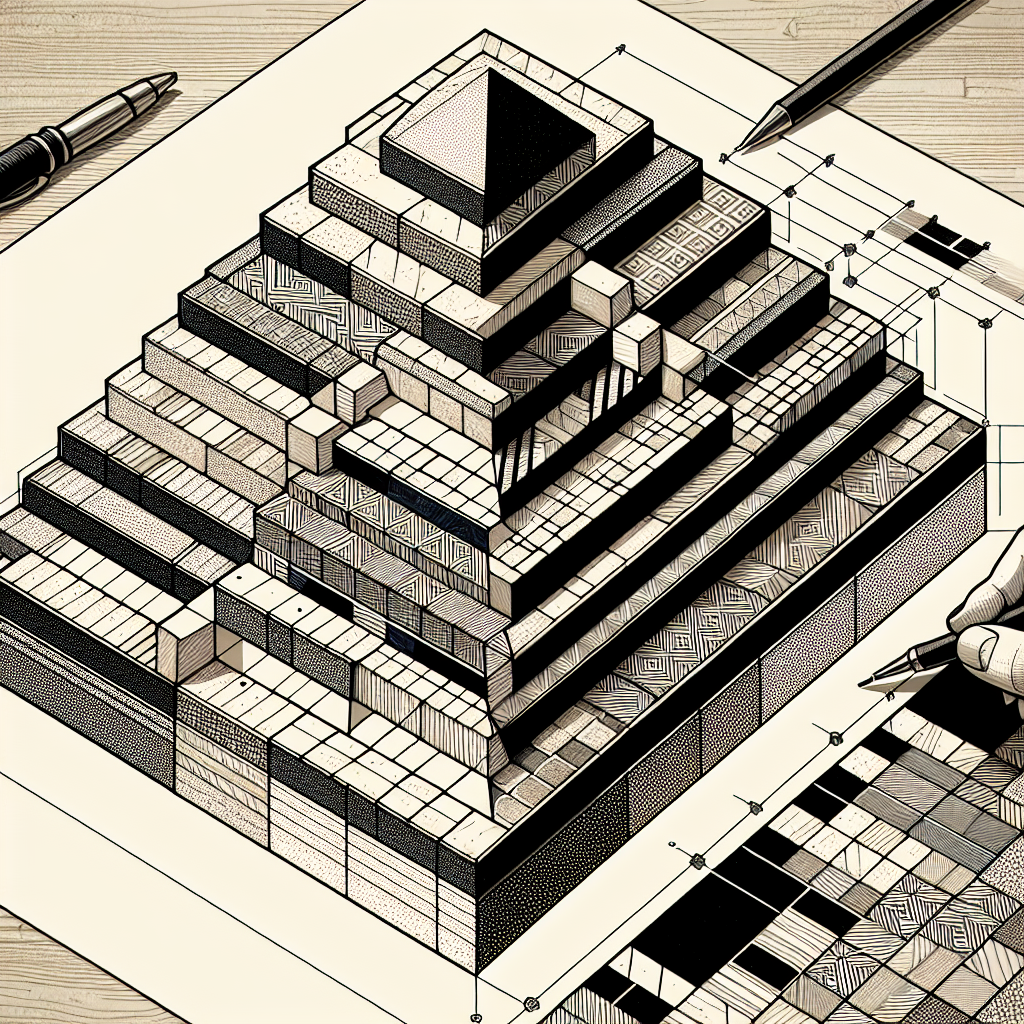
The construction of the pyramids was an enormous undertaking that required precise engineering, an abundance of resources, and a large labor force. Recent studies suggest that the workers were skilled laborers, often well-fed and housed in nearby workers' villages, rather than slaves as previously thought. The construction involved cutting and transporting massive limestone and granite blocks, some weighing several tons, from quarries to the pyramid sites.
Astronomical Alignment
The alignment and orientation of the pyramids also highlight the Egyptians' advanced knowledge of astronomy. For instance, the Great Pyramid of Giza is aligned with remarkable precision to the cardinal points and is thought to have astronomical significance related to the solstices and equinoxes.
Religious Significance of Pyramids

Symbolism and Beliefs
Pyramids were laden with religious symbolism. They were seen as a means of resurrecting the pharaoh's soul: their triangular shape was thought to represent the primordial mound from which the ancient Egyptians believed the earth was created. Additionally, the pyramids' alignment with the stars was linked to the belief in the pharaoh's divine origin and his eternal existence in the sky alongside the gods.
The Pyramid Texts
The texts and carvings inside the pyramids, known as the Pyramid Texts, are some of the oldest religious texts in the world. These inscriptions provided the dead pharaoh with the knowledge needed to navigate the afterlife and to emerge as an akh, or an effective spirit, capable of continuing his divine duties.
Misconceptions and Modern Interpretations
Debunking Myths
Contrary to popular myth, there is no evidence that the pyramids were built by aliens or by any lost civilization. The construction of the pyramids was a purely human achievement, emblematic of the organizational and technical capabilities of ancient Egypt.
Archaeological Discoveries
Ongoing archaeological discoveries continue to provide insights into pyramid construction techniques and the daily lives of the workers. These findings help to clarify the historical context of the pyramids, further debunking many of the sensational theories that have circulated over the years.
Conclusion
The pyramids of Egypt were monumental tombs built to ensure the continuation of a pharaoh's life after death. They reflect the ancient Egyptians' complex beliefs about death, the afterlife, and the cosmos. Over the centuries, these structures have continued to captivate and mystify, standing as a testament to the enduring ingenuity and spiritual depth of ancient Egyptian civilization. As archaeological methods and technologies advance, our understanding of these fascinating structures will undoubtedly deepen, bringing us closer to the world of the ancients.