
Salt's Vital Role in Human Health Unveiled
Salt, a ubiquitous seasoning and preservative, plays an essential role in maintaining numerous bodily functions. Understanding its importance goes beyond just flavoring food; it is crucial for health maintenance.
TL;DR:
- Sodium, the primary component of salt, regulates blood pressure.
- Salt aids in nerve impulse transmission and muscle function.
- Optimal sodium levels are necessary to maintain fluid balance.
- Excessive consumption can lead to hypertension and other cardiovascular issues.
- Iodine fortification in salt helps prevent goiter.
The Essential Role of Sodium

Salt is composed primarily of sodium chloride (NaCl), with the sodium component being particularly vital for human health. Sodium serves several critical functions within the body:
Blood Pressure Regulation
Sodium plays a key role in regulating blood pressure by controlling fluid balance through osmosis. Adequate sodium intake helps maintain normal extracellular fluid volume, which is crucial for sustaining healthy blood pressure levels.
Nerve Impulse Transmission
Nerves rely on sodium to transmit signals throughout the body. Sodium ions flow across nerve cell membranes during electrical impulses, facilitating communication between neurons and muscles.
Muscle Function
Similar to nerves, muscle contractions depend on sodium's ability to generate electrical impulses. This process is critical for activities ranging from basic movements to more complex tasks such as lifting objects or running.
Historical Context of Salt
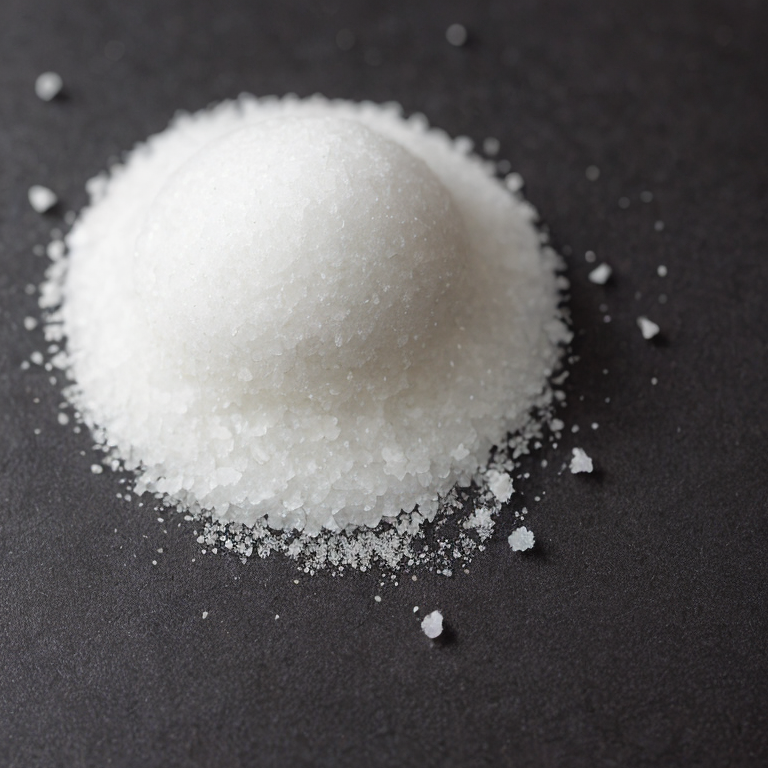
The importance of salt has been recognized throughout history. Ancient civilizations valued salt not only for its culinary uses but also for its preservative properties and medicinal benefits:
Early Uses
Ancient Egyptians used salt for mummification, while the Romans employed it to preserve food during long military campaigns. In many cultures, salt was considered a valuable commodity often traded as currency.
Cultural Significance
Salt has played significant roles in various religious practices and ceremonies across different societies. For example, early Christians would bless salt before eating meals, symbolizing purification and protection against evil spirits.
Etymology of Salt

The word "salt" comes from the Latin term "salarium," which originally referred to a Roman soldier's salary paid partly in salt. Over time, this evolved into the English word "salary." The connection underscores the historical value placed on salt as both an economic and nutritional necessity.
Cultural Impact and Modern Perception

Salt has permeated various aspects of human culture beyond its culinary applications:
Culinary Uses
In contemporary cuisine, salt enhances flavors in dishes ranging from savory to sweet. Chefs use it not only to season food but also for techniques such as curing meats or making pickles.
Health Discourse
Modern health discussions often focus on the risks associated with excessive sodium intake. Guidelines recommend limiting daily consumption to maintain cardiovascular health and reduce the risk of hypertension.
Misconceptions About Salt
Understanding the nuances of salt's role in human nutrition is crucial:
Excessive Intake Risks
While moderate amounts are necessary, high levels of sodium can increase blood pressure and contribute to heart disease, stroke, and kidney problems. This highlights the importance of balanced consumption.
Iodine Fortification Importance
Many countries fortify table salt with iodine to prevent goiter and other thyroid disorders caused by iodine deficiency. However, overconsumption of iodized salt should still be avoided due to potential health risks.
Conclusion
Salt remains an indispensable component in human nutrition despite its controversial reputation regarding cardiovascular health. Its essential functions—from regulating blood pressure and nerve impulses to supporting muscle activity—underscore its importance. While it is necessary for optimal health, moderation is key to avoiding adverse effects. Understanding the multifaceted role of salt enables individuals to make informed dietary choices that promote overall well-being.