Why is the Ocean Salty? - Dive into the Facts
TL;DR
- Mineral Contributions: The ocean's saltiness primarily comes from dissolved minerals and salts that originate on land.
- River Runoff: Rivers carry eroded rocks and soil, depositing these materials in coastal waters where they eventually mix with the sea.
- Volcanic Activity: Volcanoes contribute to marine salinity through underwater eruptions, adding significant amounts of sodium chloride (table salt) among other minerals.
- Geothermal Processes: Deep-sea hydrothermal vents release dissolved salts and minerals into ocean water.
- Evaporation Concentration: Salinity increases as seawater evaporates, leaving behind higher concentrations of dissolved solids.
The Science Behind Ocean Salinity
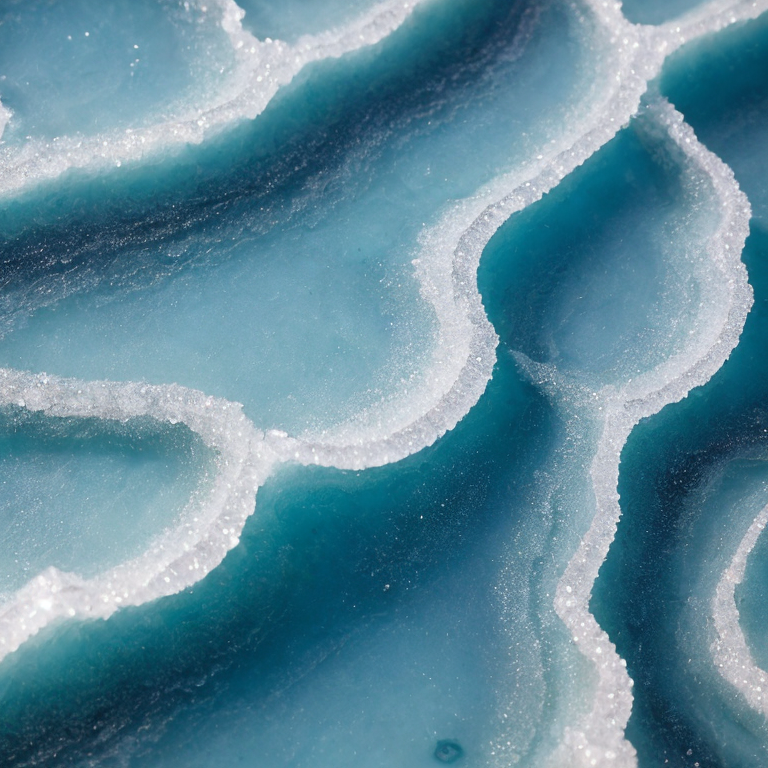
Ocean salinity is a measure of the concentration of dissolved salts in sea water. It's typically expressed in parts per thousand (ppt) or grams of salt per kilogram of water. The average salinity of the world’s oceans is around 35 ppt, though this can vary significantly depending on location and environmental factors.
Mineral Contributions
The ocean's saltiness primarily comes from dissolved minerals and salts that originate on land. As rain falls over continents, it dissolves rocks and soil through chemical weathering processes, carrying these dissolved materials into rivers and streams. These freshwater bodies eventually empty their contents into the sea, contributing to its overall salinity.
River Runoff
Rivers play a crucial role in maintaining ocean salinity by transporting eroded materials from land surfaces. When rain falls on rocks such as limestone or granite, it dissolves minerals like calcium carbonate (CaCO₃) and sodium chloride (NaCl). These dissolved substances travel downstream until they reach the coast where they mix with seawater.
Volcanic Activity
Volcanoes also contribute to marine salinity through underwater eruptions. During these events, magma and lava interact with ocean water, dissolving minerals from both the rock and water. This process releases large amounts of sodium chloride and other salts into the surrounding seas.
Geothermal Processes
Deep-sea hydrothermal vents are another significant source of marine salinity. These underwater geysers release superheated water rich in dissolved minerals and gases directly into ocean waters, further increasing their salt content.
Historical Context
Understanding why oceans are salty has been a subject of scientific inquiry for centuries. Early explorers noticed the consistent taste of seawater across different regions but lacked the tools to fully explain its composition until modern chemistry developed.
Ancient Observations
Ancient civilizations were aware that sea water was salty, though they didn't understand the underlying causes. The Greeks and Romans observed the effects of salinity on marine life and used it for practical purposes like preserving food with salt extracted from seawater.
Scientific Discoveries
In the 19th century, scientists began to systematically study ocean chemistry. Researchers like Matthew Fontaine Maury in the mid-1800s mapped out patterns of sea water density and salinity, laying the groundwork for understanding how these factors vary across different parts of the globe.
Etymology and Cultural Significance
The term "salt" comes from Old English "sealt," which is related to similar words in other Germanic languages. The word has roots in ancient cultures where salt was highly valued due to its preservative properties and rarity before large-scale mining became common.
Salt's Role in History
Throughout history, salt has played a crucial role not only as a dietary necessity but also economically and politically. It was often used as currency in trade and could be the cause of conflicts over control of salt mines and trading routes.
Misconceptions About Ocean Salinity
There are several common misconceptions about why oceans are salty that need clarification:
Myth: Rain Makes Sea Water Saltier
Rain actually dilutes seawater slightly by adding freshwater to it. However, this effect is minimal compared to the continuous input of salts from land runoff and underwater processes.
Myth: All Oceans Have the Same Salinity
While the average salinity across global oceans is around 35 ppt, local variations can be significant due to factors like evaporation rates, river inflow, and proximity to hydrothermal vents.
Conclusion
The salinity of the ocean is a result of complex interactions between geological processes on land and underwater phenomena. Rivers carrying dissolved minerals from eroded rocks, volcanic activity releasing salts into seawater, and geothermal vents contributing additional minerals all play crucial roles in maintaining marine salt levels. Understanding these dynamics not only enhances our knowledge of Earth's natural systems but also highlights the interconnectedness of terrestrial and aquatic environments.