Why is Ice Cream So Silky Smooth?
Ice cream's melt-in-your-mouth texture is a result of careful ingredient selection and precise manufacturing techniques. The creamy nature of ice cream comes from its composition of fats, emulsifiers, stabilizers, and the method used to churn it during freezing. This article explores what makes ice cream so silky smooth.
TL;DR
- Fat Content: High fat content is crucial for a rich and creamy texture.
- Emulsifiers and Stabilizers: These ingredients help maintain a smooth consistency by preventing ice crystal formation.
- Churning Technique: Proper churning incorporates air, creating the signature lightness of ice cream.
- Overrun Percentage: This measures how much air is incorporated into the mixture during freezing.
- Temperature Control: Maintaining low temperatures during production prevents large ice crystals from forming.
The Role of Fat in Ice Cream Texture
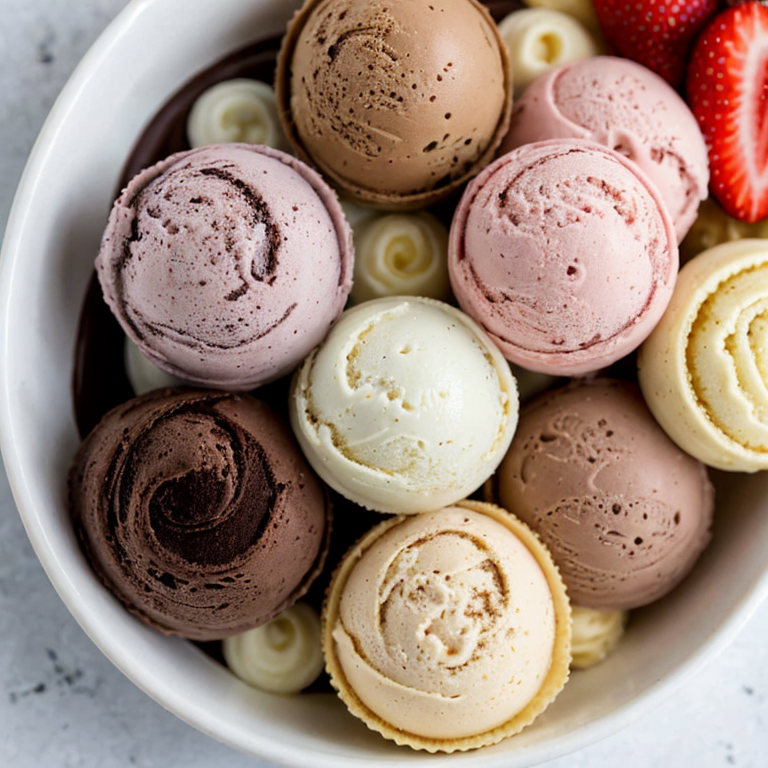
The creamy texture of ice cream primarily comes from its fat content. Fats, usually derived from milk or cream, form a continuous phase that traps air bubbles and water droplets, creating the smooth mouthfeel characteristic of high-quality ice cream. Dairy fats are particularly effective because they emulsify well with water-based ingredients.
Types of Fat Used in Ice Cream
- Cream: Contains 18% to 30% milkfat, making it one of the most popular choices for achieving a creamy texture.
- Butter: While not commonly used due to its high melting point and solid fat content, butter can contribute flavor and additional body when used sparingly.
- Plant Oils: Some manufacturers use plant-based oils as alternatives or partial substitutes to reduce costs without compromising on taste.
The Importance of Fat Emulsification
Fat molecules in ice cream act as emulsifiers by forming a network that traps air bubbles and small water droplets. This process is critical for creating the smooth, creamy consistency associated with premium ice creams.
Emulsifiers and Stabilizers: Maintaining Texture Stability
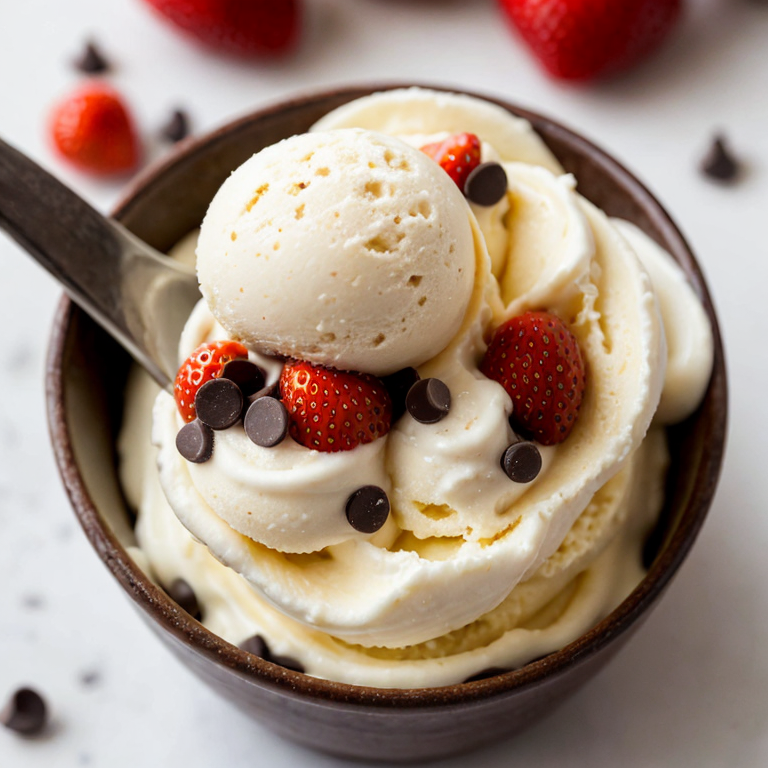
Emulsifiers and stabilizers are essential ingredients used to enhance the texture and shelf-life of ice cream. These additives help prevent the formation of large ice crystals by maintaining a stable emulsion between fat and water phases.
Commonly Used Emulsifiers in Ice Cream
- Lecithin: Derived from soybeans, lecithin is an effective natural emulsifier that helps stabilize air bubbles within the mixture.
- Polysorbates (e.g., Polysorbate 80): These synthetic emulsifiers are widely used due to their ability to bind fats and water effectively.
Stabilizers for Texture Enhancement
Stabilizers like carrageenan, guar gum, and xanthan gum contribute to the smoothness of ice cream by preventing ice crystals from growing large during storage. They also help maintain a stable texture over time.
Churning Technique: Incorporating Air into Ice Cream
The churning process is crucial for incorporating air into the mixture, which creates the light and airy feel that distinguishes ice cream from other frozen desserts like gelato or sorbet.
The Process of Churning
- Agitation: During freezing, the mixture is agitated to incorporate air while simultaneously freezing it.
- Temperature Control: Maintaining a precise temperature range ensures optimal churning conditions without overfreezing the mixture.
Overrun Percentage: Measuring Air Content
Overrun refers to the percentage increase in volume due to the incorporation of air during churning. Higher overrun values result in lighter, more airy ice creams but can also affect stability and texture quality if not managed correctly.
Temperature Control During Freezing
Maintaining strict temperature control throughout the freezing process is vital for achieving a smooth, creamy consistency. Rapid freezing helps prevent large ice crystals from forming, which would otherwise give the ice cream an undesirable grainy texture.
Importance of Freezing Point Depression
Freezing point depression occurs when solutes (like sugars and salts) are added to water, lowering its freezing point. This principle is applied in ice cream making by adding sugar or salt to maintain a liquid state at lower temperatures, ensuring proper churning and air incorporation.
Historical and Cultural Context of Ice Cream Texture
The quest for creamy ice cream has been ongoing since the dessert's inception. Early recipes often relied on natural ingredients like egg whites and yolks to achieve a smooth texture before modern emulsifiers and stabilizers were developed.
Evolution of Ice Cream Ingredients
- Early Formulations: Traditional methods used eggs, cream, and sugar without synthetic additives.
- Modern Innovations: The introduction of chemical emulsifiers and stabilizers in the 20th century revolutionized ice cream manufacturing.
Misconceptions About Ice Cream Texture
Several misconceptions exist regarding what makes ice cream creamy. For instance, many believe that simply using more fat guarantees a better texture, which is not always true due to other critical factors like emulsification and air incorporation.
Debunking Common Myths
- More Fat Isn't Always Better: While high-fat content contributes significantly to richness, it must be balanced with proper emulsifiers and stabilizers for optimal texture.
- Overrun Doesn't Always Mean Lighter Ice Cream: Higher overrun can sometimes lead to less stable ice cream if not managed correctly.
Conclusion
The silky smoothness of ice cream is a result of carefully balancing fat content, using effective emulsifiers and stabilizers, employing precise churning techniques, and maintaining strict temperature control during production. Understanding these scientific principles helps in appreciating why certain ice creams stand out for their creamy texture and melt-in-your-mouth quality.