Jam vs Jelly: Unraveling the Sweet Mysteries
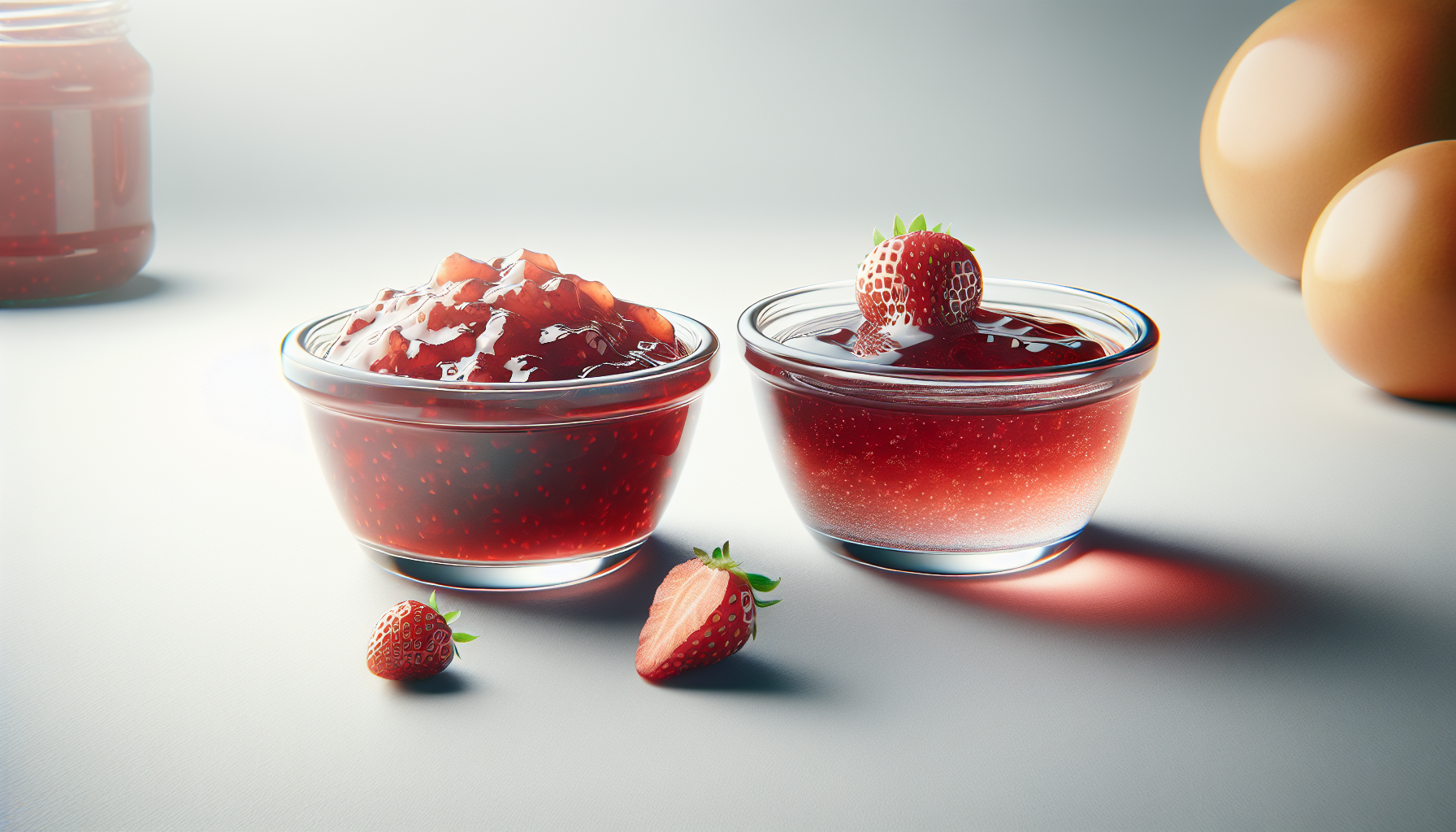
In the world of fruit spreads, jam and jelly occupy prominent places on breakfast tables and in culinary practices worldwide. While both are staples in many pantries, subtle but distinct differences in their ingredients, texture, and preparation set them apart. Understanding these differences not only enhances culinary knowledge but also assists in making informed choices based on dietary preferences and cooking needs.
TL;DR
- Ingredients: Jam is made with crushed or chopped fruit, while jelly uses only fruit juice.
- Texture: Jam has a chunkier consistency due to the inclusion of fruit pieces, whereas jelly is clear and firm.
- Preparation: Jelly requires straining of the fruit to obtain a clear juice, while jam uses the whole or large pieces of fruit.
- Pectin Use: Both may use added pectin to aid in setting, but jelly typically relies more heavily on pectin for its gel-like structure.
- Flavor Profile: Jam tends to have a more robust fruit flavor since it includes whole fruits; jelly’s flavor is usually more subtle and refined.
- Uses: Jam is versatile in baking and cooking due to its texture, while jelly is often preferred as a spread or in recipes where a smooth texture is desired.
The Science Behind Jam and Jelly
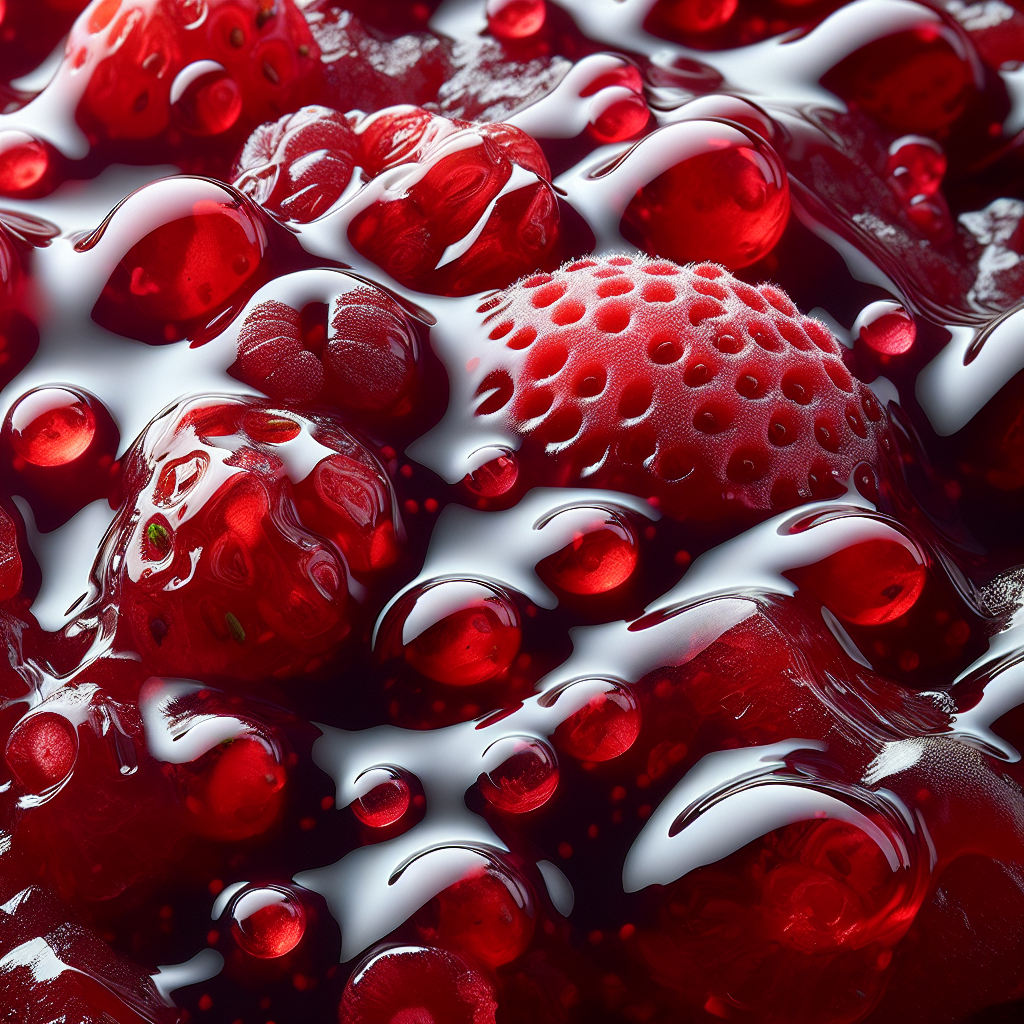
Jam and jelly are both fruit preserves, made by boiling fruit with sugar, but their scientific differences hinge largely on their physical composition and the role of pectin.
Pectin and Its Role
Pectin, a naturally occurring polysaccharide found in the cell walls of fruits, is crucial in the gelling process for jellies and jams. It binds with sugar and fruit acids to form a network that traps water molecules, creating a gel. Jellies typically require a higher concentration of pectin than jams because they need to hold their shape without the support of fruit solids.
Textural Differences
The textural difference between jam and jelly is primarily due to the form of the fruit. Jam, with its inclusion of fruit pieces, has a more varied texture, providing a chunkier eating experience. Jelly, made from strained fruit juice, is smoother and more uniform, owing to the absence of solid fruit pieces.
Historical Insights
The history of fruit preserves, including jam and jelly, is a rich narrative that spans cultures and continents.
Early Preservation Methods
The practice of preserving fruits has ancient origins, with early methods involving honey and sugar to prevent spoilage. The use of sugar as a preservative became more widespread in Europe in the Middle Ages, leading to the development of what we now recognize as jam and jelly.
Evolution of Fruit Spreads
In the 19th century, the invention of the Mason jar and the discovery of commercial pectin revolutionized home jam and jelly making, making these preserves more accessible and easier to produce in large quantities.
Etymology and Language
The words "jam" and "jelly" have distinct etymological paths that reflect their cultural and culinary developments.
Origin of "Jam"
The term "jam" is believed to have originated from the Portuguese word "jame," which means "fruit preserve." It entered the English language in the late 19th century.
Origin of "Jelly"
"Jelly" comes from the Old French "gelée," meaning "frost" or "jelly," referring to the gelatinous consistency of the product. This term has been in use since the 14th century.
Cultural Significance
Jam and jelly hold various cultural significances around the world, often associated with local fruits and traditional recipes.
Regional Varieties
In Europe, for instance, berry jams are prevalent, while in the Middle East, fig jams and jellies made from dates are common. Each region adapts its preserves to the fruits that are locally available, creating a rich diversity of flavors and textures.
Culinary Uses
Beyond their use as spreads, jams and jellies are integral to many traditional dishes and desserts. For example, jelly is often used as a glaze in baking, while jam serves as a filling for pastries and cakes.
Common Misconceptions
Despite their popularity, there are several misconceptions about jam and jelly that can cause confusion.
Pectin Misunderstandings
It’s a common myth that jelly has artificial pectin while jam does not. Both jams and jellies can be made with natural or added pectin, depending on the fruit used and the desired consistency.
Sugar Content
Another misconception is that jelly has a higher sugar content than jam. The sugar content actually depends more on the specific recipe than on whether it is a jam or a jelly.
Conclusion
Jam and jelly, while similar, exhibit distinct differences that cater to varied culinary needs and preferences. From the chunky, fruit-laden texture of jam to the smooth, clear consistency of jelly, each has its unique place in the world of spreads. By understanding these differences, consumers can make more informed choices that suit their taste and cooking styles. Whether used in a simple breakfast or a complex dessert, jam and jelly continue to delight and inspire culinary creativity across the globe.