Phantom Limb Syndrome: The Mind's Strange Trick After Amputation
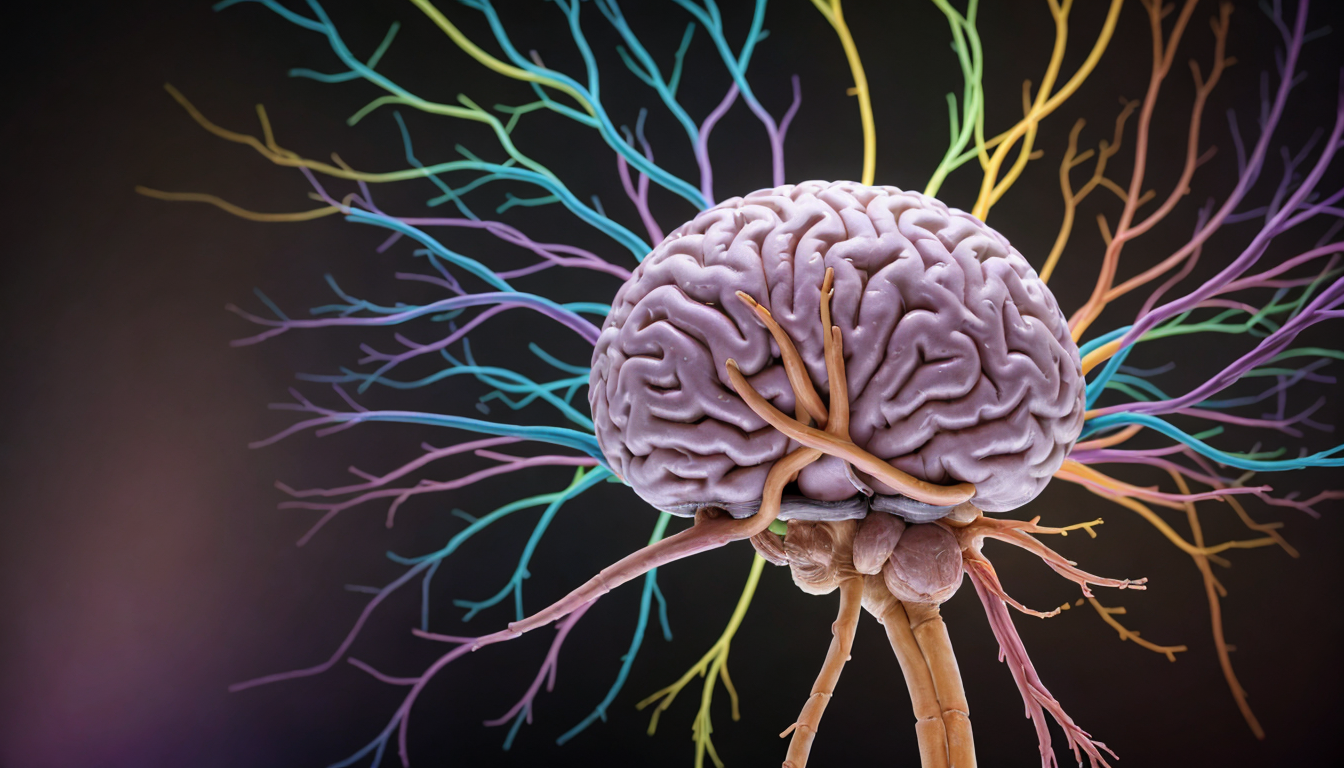
Phantom limb syndrome is a phenomenon experienced by many individuals who have undergone amputation. Despite the absence of the physical limb, patients often feel sensations as if it were still present, including pain and movement. This condition has puzzled medical professionals for centuries, but recent advancements in neuroscience offer new insights into its causes.
TL;DR
- Neural Reorganization: Phantom limb syndrome is linked to changes in brain structure and function following amputation.
- Historical Recognition: The first documented case of phantom limb sensations dates back to the 16th century.
- Psychological Impact: Amputees often experience emotional distress due to phantom limb pain, leading to a need for specialized psychological care.
- Treatment Options: A variety of methods, including medication and therapy, can help manage symptoms.
- Future Prospects: Advances in technology are providing new avenues for treating phantom limb syndrome.
Understanding Phantom Limb Syndrome

Phantom limb syndrome is characterized by the sensation that an amputated or missing limb is still present. This condition affects around 50% to 80% of individuals who have undergone limb amputation and can manifest as pain, itching, burning, and even sensations of movement.
Neural Reorganization
The brain's ability to adapt and reorganize itself—known as neuroplasticity—is central to understanding phantom limb syndrome. When a limb is removed, the area of the brain that once controlled that limb does not simply become inactive; instead, it undergoes significant changes. Studies using functional MRI (fMRI) have shown that areas adjacent to those controlling the amputated limb can take over some of its functions.
Sensory Mechanisms
Phantom sensations are often attributed to residual nerve endings and pathways in the stump of the amputated limb. These nerves continue to send signals to the brain, which interprets them as coming from the missing limb. Additionally, changes in sensory perception due to altered body image can also contribute to phantom limb experiences.
Psychological Factors
The psychological impact of losing a limb cannot be overstated. Amputees often experience grief and depression following surgery, which can exacerbate symptoms of phantom limb syndrome. The brain's emotional centers are highly interconnected with motor control areas, making it likely that psychological distress contributes to the perception of pain in the missing limb.
Historical Recognition
Early Documentation
The first recorded instance of phantom limb sensations dates back to 1551 when Ambroise Paré, a French surgeon, described soldiers who had lost limbs reporting continued feelings and even itching in their amputated limbs. This early observation laid the groundwork for later medical investigations into this phenomenon.
Medical Progression
Over time, doctors began to recognize phantom limb sensations as more than just psychological responses. In the 19th century, neurologists such as Sigmund Freud and William James noted that these sensations were linked to the brain's sensory processing rather than purely emotional factors.
Neuroplasticity and Brain Reorganization
Neural Mapping
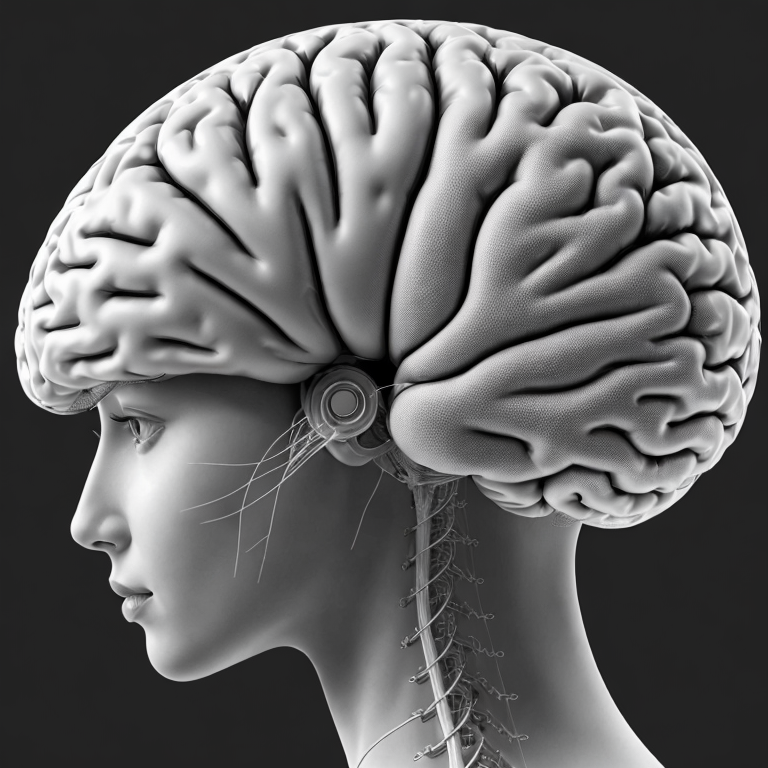
The concept of neural mapping suggests that specific areas of the brain are dedicated to controlling different parts of the body. When a limb is amputated, the corresponding area in the somatosensory cortex becomes less active but does not completely shut down. Instead, it can be taken over by adjacent sensory areas, leading to cross-wiring and altered perceptions.
Cortical Reorganization
Research using fMRI has shown that following an amputation, neighboring brain regions begin to take over functions of the missing limb. For example, in patients who have had a hand amputated, the area responsible for processing sensations from the face can become involved in interpreting signals from the stump.
Pain Management and Treatment
Medication
Pharmacological treatments are often used to manage phantom limb pain. Common medications include anticonvulsants like gabapentin and pregabalin, which work by stabilizing nerve cells and reducing abnormal firing that may cause pain sensations. Tricyclic antidepressants such as amitriptyline can also be effective.
Psychological Interventions
Cognitive-behavioral therapy (CBT) has proven beneficial for managing phantom limb syndrome. Techniques like mindfulness, relaxation training, and cognitive restructuring help patients cope with emotional distress and reduce the intensity of pain sensations.
Prosthetics and Rehabilitation
Advancements in prosthetic technology have provided new methods for treating phantom limb syndrome. Some devices can stimulate residual nerves to provide sensory feedback, helping the brain relearn how to interpret signals from the amputated limb. Physical therapy and rehabilitation programs also play a crucial role in managing symptoms by promoting neural adaptation.
Alternative Therapies
Alternative approaches such as acupuncture and transcutaneous electrical nerve stimulation (TENS) have shown promise for some individuals. These methods aim to disrupt pain pathways and provide relief through non-invasive means.
Technological Advancements
Sensory Substitution Devices
Recent innovations include sensory substitution devices that use tactile or visual feedback to stimulate the brain in ways similar to an intact limb. This can help reduce phantom sensations by providing a new form of input for the affected areas of the cortex.
Neurostimulation Techniques
Neurostimulation therapies, including transcranial magnetic stimulation (TMS) and deep brain stimulation (DBS), are being explored as potential treatments for severe cases of phantom limb pain. These techniques involve delivering electrical or magnetic pulses to specific regions of the brain to modulate neural activity.
Cultural and Social Impact
Stigma and Support
Phantom limb syndrome can be isolating, leading some amputees to feel misunderstood by their peers and medical professionals. Building supportive communities through online forums and support groups helps individuals share experiences and coping strategies, reducing feelings of isolation.
Media Representation
Media portrayals often focus on dramatic stories of pain and suffering, which may not accurately reflect the diversity of phantom limb syndrome experiences. Accurate representation can help destigmatize this condition and promote better understanding among both patients and healthcare providers.
Misconceptions
Psychological vs. Physical Cause
One common misconception is that phantom limb sensations are purely psychological in origin. While emotional distress does play a role, there is strong evidence supporting the physical basis of these symptoms.
Severity and Duration
Another myth is that all amputees experience severe or long-lasting phantom limb pain. The reality is that while many people do report persistent discomfort, others may have mild sensations that improve over time with proper treatment.
Conclusion
Phantom limb syndrome remains a complex condition influenced by both physical and psychological factors. Advances in neuroscience continue to shed light on the underlying mechanisms of this phenomenon, offering hope for improved treatments and better quality of life for amputees. As research progresses, it is crucial to maintain a balanced approach that acknowledges the multifaceted nature of phantom limb syndrome while focusing on holistic care for patients.