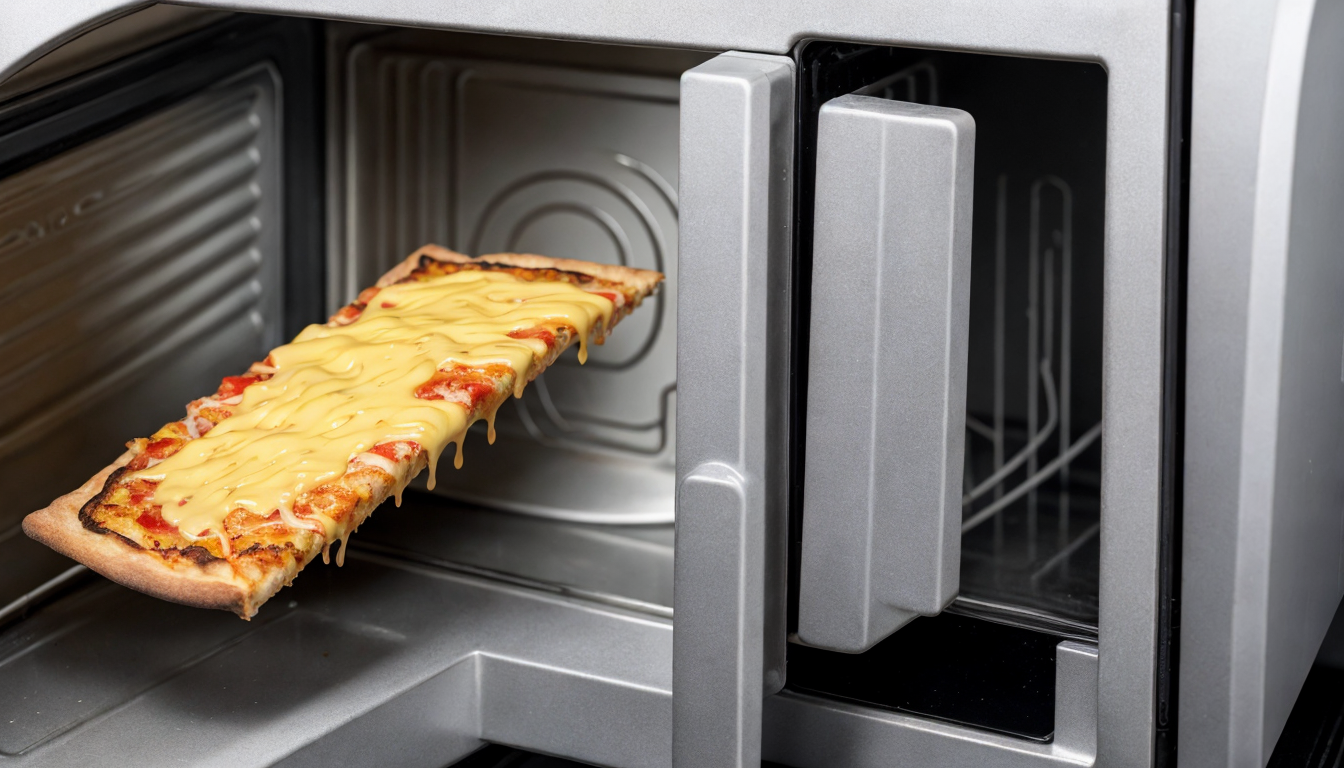
How Microwaves Heat Food in 2026
In the year 2026, microwave ovens have become even more integral to daily life, offering rapid and convenient food heating. Understanding how these appliances work can provide insight into their efficiency and effectiveness.
TL;DR:
- Microwave ovens use electromagnetic waves called microwaves to heat food.
- These waves cause water molecules in the food to vibrate rapidly, generating heat through friction.
- Microwaves are absorbed by certain materials but not others, ensuring efficient heating of food without damaging the appliance.
- Continuous advancements in microwave technology have led to features like smart controls and energy-efficient designs.
The Science Behind Microwave Heating

Electromagnetic Waves and Water Molecules
Microwave ovens operate on a principle based on electromagnetic waves. These waves are generated by a device called a magnetron inside the oven, which creates microwaves at a specific frequency (2.45 GHz). This frequency is chosen because it resonates with water molecules, causing them to spin rapidly and generate frictional heat.
Molecular Vibration
When placed in a microwave oven, food items containing water or other polar substances begin to absorb the electromagnetic energy. The water molecules within these foods become aligned with the electric field of the microwaves and oscillate back and forth as the field alternates. This rapid movement generates kinetic energy that translates into thermal heat.
Transfer of Energy
The generated heat is then transferred throughout the food via conduction, where hotter regions transfer their heat to cooler ones, ensuring relatively even heating across the entire dish. However, this process can sometimes lead to uneven heating due to variations in water content and material composition within different parts of the food.
Historical Development
Early Invention
The concept of using microwaves for cooking was discovered by Percy Spencer while working on radar technology during World War II. He noticed that a candy bar in his pocket melted when he stood near an active magnetron, leading to experiments with other foods and eventually the development of the first microwave oven.
Technological Advancements
Over decades, microwave ovens have evolved from bulky industrial machines into compact home appliances. Early models were simple and basic but lacked features such as automatic sensors, preset cooking programs, and digital interfaces. Modern advancements include innovations like inverter technology that maintains consistent power levels for more even heating.
Etymology and Cultural Impact
Origin of the Term "Microwave Oven"
The term “microwave oven” is a direct reference to both its function (heating) and the type of electromagnetic radiation it uses (microwaves). The word “microwave” itself was coined in the early 20th century but gained common usage with the advent of microwave technology for cooking.
Cultural Integration
Microwave ovens have become ubiquitous in modern kitchens, revolutionizing how people prepare meals. They are particularly favored for quick reheating and basic cooking tasks, making them a staple appliance especially in urban settings where time efficiency is highly valued.
Common Misconceptions
Myth: Microwaves Cook from the Inside Out
One common misconception about microwave ovens is that they cook food from the inside out due to how microwaves penetrate through solid materials. In reality, heating occurs primarily on the surface of foods exposed directly to the waves and then spreads inward via thermal conduction.
Fact: Not All Materials Are Safe in a Microwave
Another misunderstanding is that any container can be used in a microwave oven. Only containers made from certain plastics or ceramics designed for use with microwaves should be employed, as other materials might melt, release harmful chemicals, or even catch fire.
Future Trends and Innovations
Smart Integration
In 2026, many new models incorporate smart technology allowing users to control their microwave ovens through smartphone apps. These innovations enable remote operation and monitoring, providing convenience and flexibility in cooking routines.
Energy Efficiency
With growing environmental awareness, future designs are focusing on reducing energy consumption without compromising performance. Advanced features like power modulation and automatic shut-off mechanisms aim at optimizing heating efficiency and lowering electricity usage.
Conclusion
Microwave ovens continue to evolve as essential appliances for modern kitchens due to their rapid food heating capabilities rooted in sophisticated electromagnetic science. By understanding the principles behind microwave technology, users can better appreciate its benefits while also being aware of potential limitations and safety considerations. As technology advances further, microwaves promise even greater integration into daily life through smarter designs and enhanced functionalities.