Why Cats Dread Water: Facts You Should Know
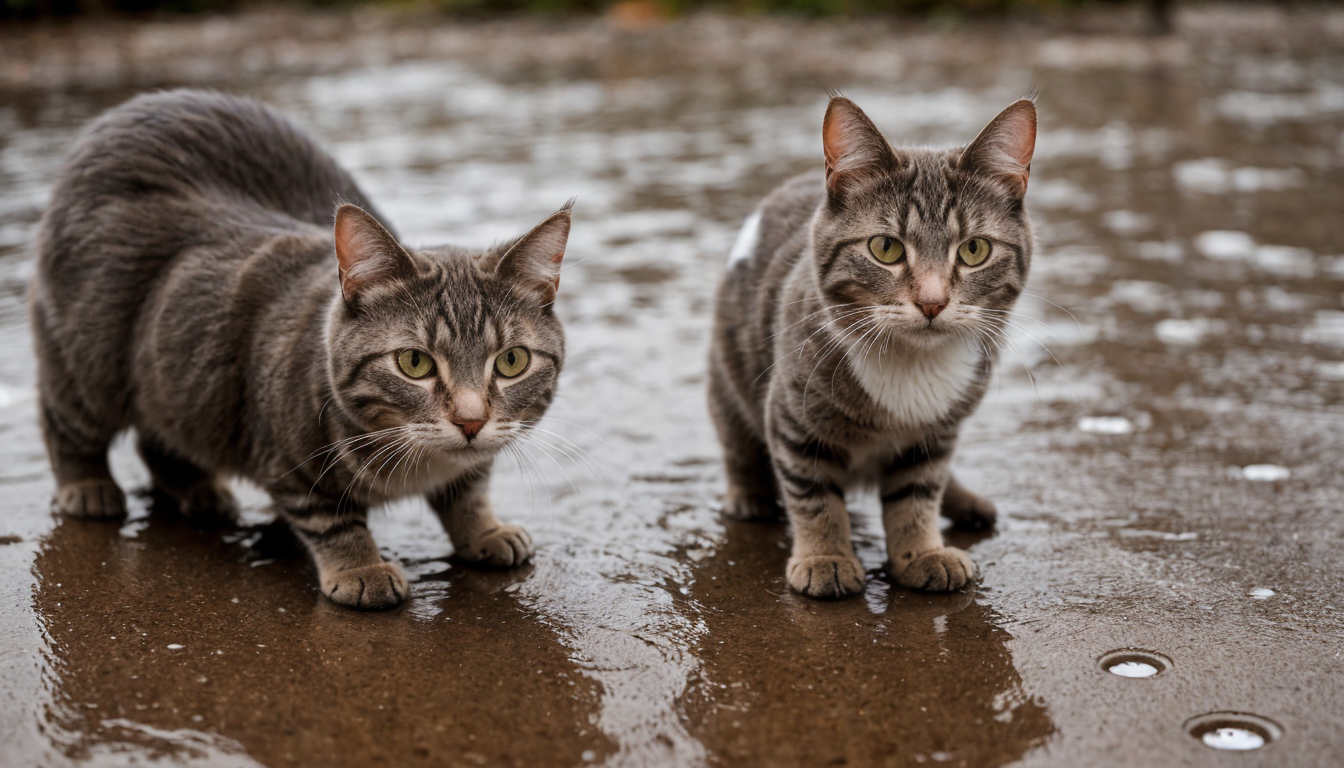
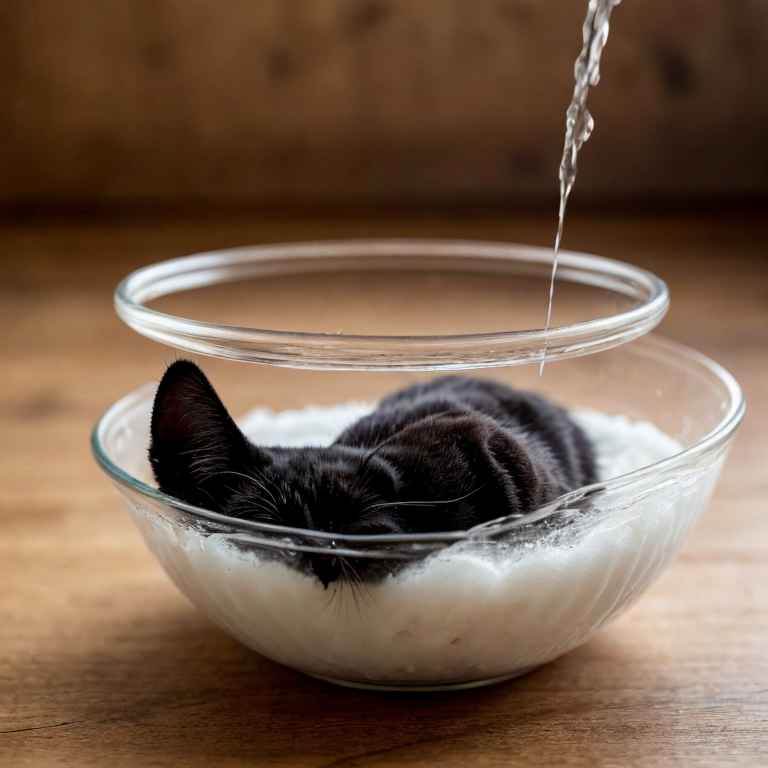
Cats are often depicted as agile and graceful creatures, but their relationship with water can be quite different. Many cat owners have observed that their feline friends tend to avoid water at all costs. This behavior is not just a quirky trait; it stems from various biological, historical, and psychological factors. Understanding why cats fear water can provide valuable insights into pet care and feline psychology.
TL;DR
- Cats are naturally predisposed to avoid water due to their evolutionary history.
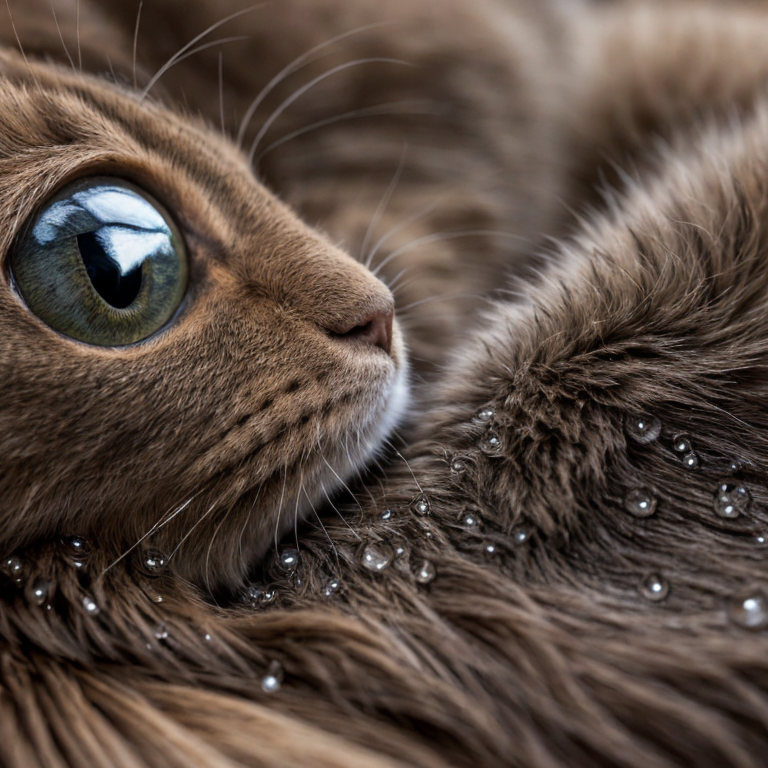
- Wet fur makes it harder for cats to regulate body temperature and move efficiently.
- Cultural perceptions and domestication have influenced cat behavior towards water.
- Some breeds, like the Turkish Van, exhibit a preference for water, indicating variability in individual responses.
Biological Reasons
Evolutionary Background
Cats' aversion to water can be traced back to their evolutionary history. Wild cats, such as lions and tigers, are not frequent swimmers due to the lack of aquatic habitats and prey sources in their natural environment. This means that swimming was not a necessity for survival, unlike in other species like otters or seals.
Physical Adaptations
Cats have several physical adaptations that make them less inclined to interact with water:
- Fur: Cats' fur is designed for insulation and protection from the elements. When wet, their fur loses its insulating properties, making it harder for cats to regulate body temperature.
- Weight Distribution: Wet fur can become heavy and disrupt a cat's balance and movement efficiency.
Thermoregulation
Cats rely on their fur for thermoregulation. Wet fur can lead to hypothermia or overheating, depending on the environmental conditions. This is particularly challenging for cats that are accustomed to maintaining a stable body temperature through their thick coats.
Historical Context
Domestication and Human Influence
The domestication of cats began around 9,500 years ago in the Fertile Crescent. Early farmers valued cats for their ability to control rodent populations. However, these early interactions often took place on land, with little need for swimming or water-related activities.
Cultural Perceptions
Cultural and religious beliefs have also played a role in shaping perceptions of cats and water. In some cultures, water was associated with purity and cleansing, which may have influenced the perception of cats as unsuitable companions for such rituals.
Psychological Factors
Learned Behavior
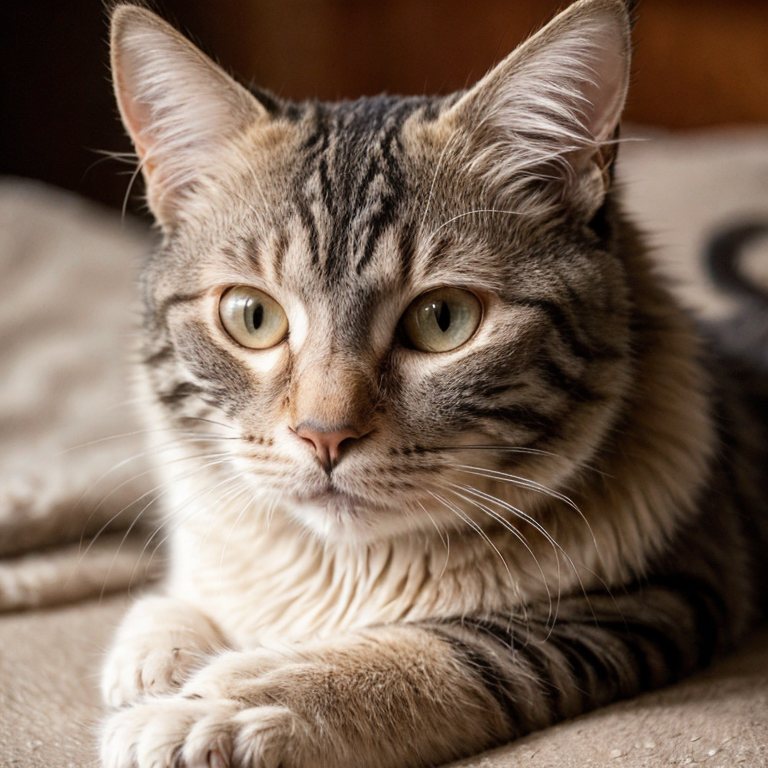
From an early age, kittens learn to associate water with negative experiences such as being forced into bathtubs or encountering unpleasant sensations like cold water. This conditioning can lead to a lasting aversion to water throughout their lives.
Fear and Anxiety
Fear of the unknown is common among animals, including cats. The unfamiliarity and unpredictability of water can trigger fear responses in felines, making them reluctant to approach bodies of water.
Variations Among Breeds
Anomalous Examples
Not all cat breeds share this aversion to water. For instance, the Turkish Van breed has been known for its affinity towards water. This breed's history includes living near lakes and rivers, where swimming was necessary for survival and hunting.
Individual Differences
Even within breeds that generally dislike water, there can be individual cats who enjoy playing in or around water. These variations highlight the importance of considering each cat as an individual with unique preferences and experiences.
Common Misconceptions
Cats Can't Swim
While it is true that most cats are not natural swimmers, they do have the ability to swim if necessary. Their fear stems more from a lack of familiarity and comfort rather than an inability to swim.
All Cats Hate Water
Contrary to popular belief, there are exceptions to this rule. Some breeds and individual cats may show no aversion to water or even enjoy it.
Pet Care Tips
Gentle Introductions
If you wish to introduce your cat to water, do so gradually and gently. Start with shallow water and positive reinforcement like treats and praise.
Hygiene Considerations
For regular grooming needs, alternatives such as dry shampoo or specialized pet wipes can be used instead of baths for cats that are extremely averse to water.
Conclusion
Cats' aversion to water is rooted in their evolutionary history, physical adaptations, and cultural contexts. While most cats will avoid water due to these factors, it is important to recognize the variability within individual cats and breeds. Understanding why cats dread water can help owners provide better care and create a more comfortable living environment for their pets.
By acknowledging this natural behavior and providing alternatives when necessary, cat owners can ensure that their feline companions remain happy and healthy.