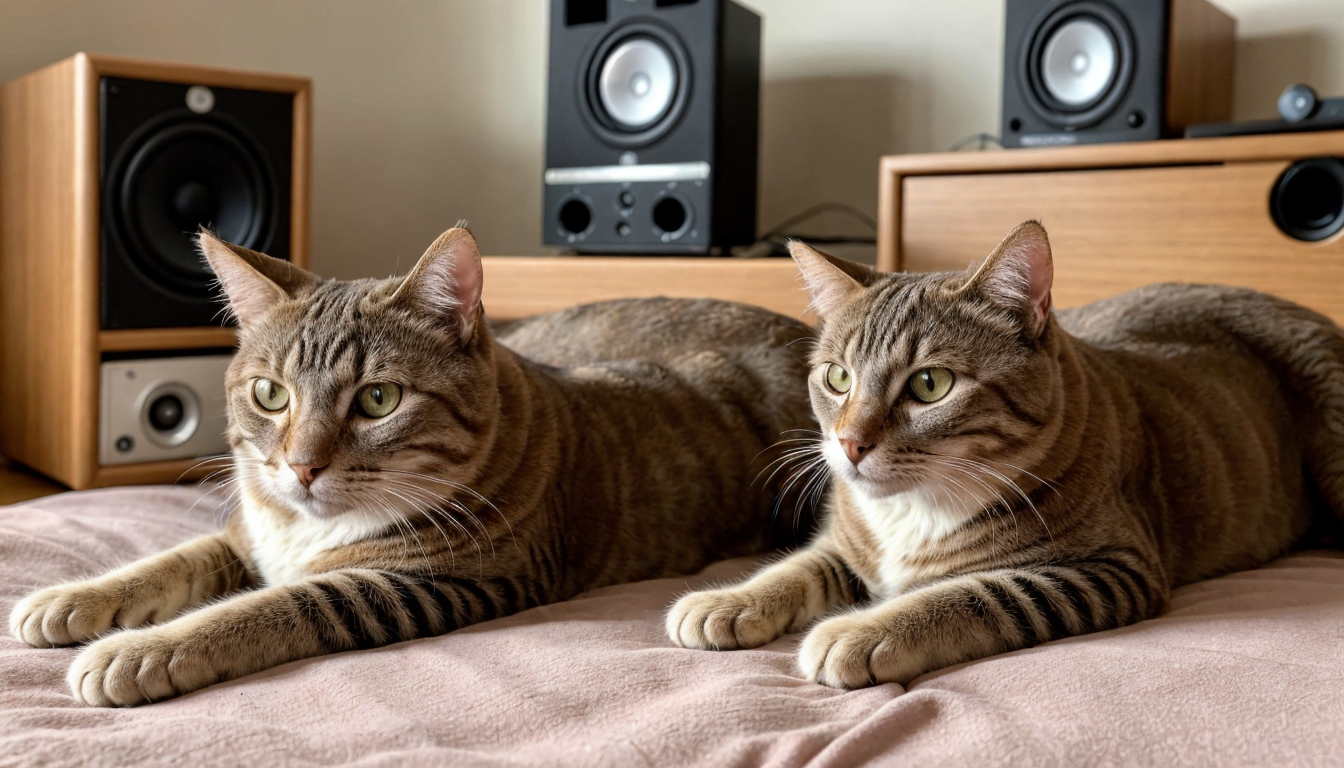
Why Cats Purr for Classical Music: The Sound They Crave
TL;DR:
- Cats may exhibit a preference for classical music due to its frequency ranges and tempo.
- Studies have shown that classical music can reduce stress in cats and encourage relaxation.
- Specific compositions by composers like Johann Sebastian Bach and Wolfgang Amadeus Mozart are particularly soothing for felines.
- The harmonic structure of classical music aligns with the natural sounds cats encounter, making it more appealing to them.
Introduction
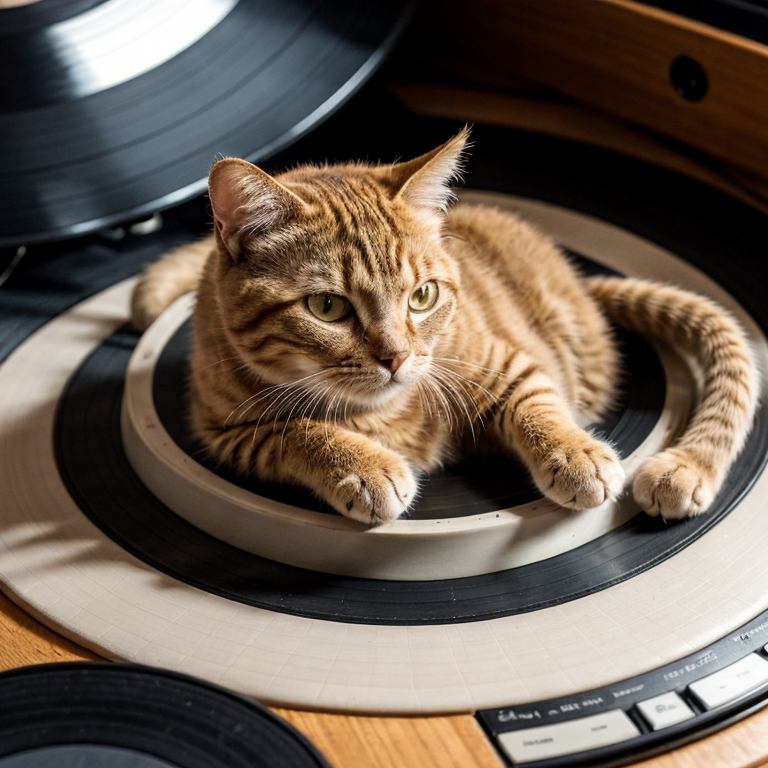
Cats have long been known for their unique behaviors and preferences. One intriguing aspect is their apparent affinity for classical music. This article explores why some cats seem to favor this genre over others, delving into scientific studies, historical context, and cultural implications of the phenomenon.
Scientific Reasons Behind Cats' Musical Preferences
Frequency Ranges
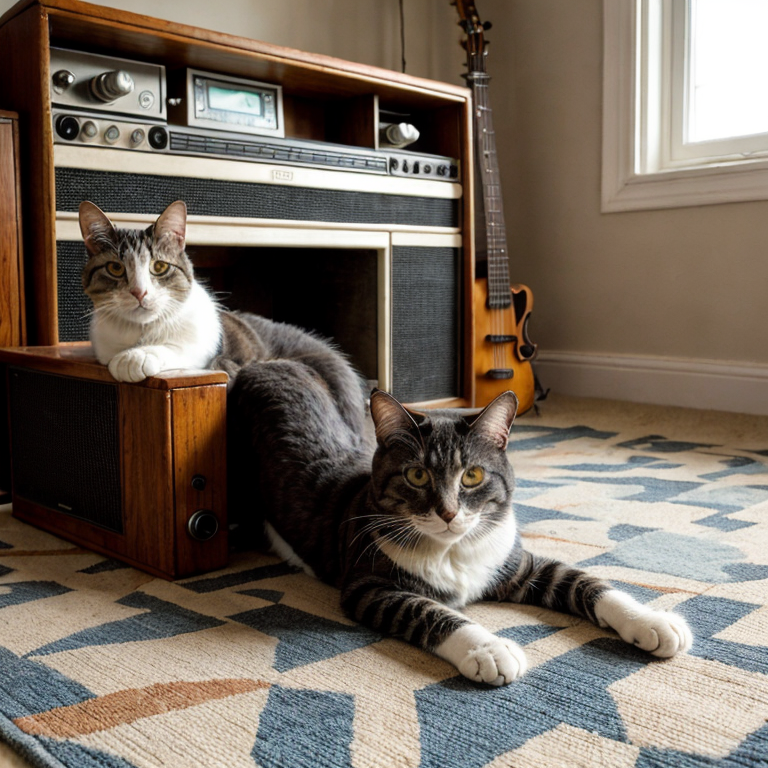
Classical music often features a balanced range of frequencies that can be soothing to animals like cats. Research indicates that certain frequency ranges can influence emotional responses in pets. Cats have sensitive hearing, capable of detecting high-frequency sounds humans cannot perceive. Classical compositions tend to include both low and high-frequency elements within the auditory spectrum preferred by felines.
Tempo
The tempo or speed at which music is played also plays a significant role in cat behavior. Studies suggest that slower tempos can induce relaxation and reduce stress levels in cats. Classical music, particularly baroque pieces with their steady and moderate tempos (around 60-80 beats per minute), align well with these findings.
Harmonic Structure
The complex yet harmonious structure of classical compositions provides auditory stimulation without overwhelming a cat's sensory systems. Cats are highly attuned to the natural world, and the structured patterns found in classical music mimic sounds they might encounter in their environment, such as birds singing or water flowing gently.
Historical Context: Classical Music and Animal Welfare
Early Studies
The interest in how different types of music affect animal behavior dates back several decades. One notable study from 1996, conducted by researchers at the University of Wisconsin-Madison, explored the effects of various musical genres on stressed laboratory cats. The results indicated that classical music had a calming effect compared to other forms.
Modern Research
In recent years, more comprehensive studies have been undertaken. A 2015 study published in "The Journal of Feline Medicine and Surgery" found that playing classical music during routine veterinary procedures reduced stress indicators such as heart rate and vocalization in cats. These findings suggest that the calming influence of classical music is not limited to domestic settings but extends to clinical environments as well.
Cultural Implications: Music in Cat Care
Pet Owners' Practices
Many cat owners report anecdotal evidence supporting the notion that their pets prefer classical music. This preference has led to the development of specialized playlists and CDs aimed at soothing cats during stressful situations, such as car rides or visits to the vet clinic.
Veterinary Recommendations
Given the positive results from scientific studies, some veterinarians now recommend playing classical music for cats before and after medical procedures. This practice is seen as a way to enhance overall animal welfare by reducing anxiety and improving recovery times.
Misconceptions About Cats' Musical Preferences
Not All Cats React Similarly
While many cats show a preference for classical music, it's important to note that individual preferences can vary widely among felines. Some cats may remain indifferent or even react negatively to certain types of music, regardless of genre.
Influence of Environment and Experience
A cat’s reaction to any form of music is influenced by its environment and past experiences. A cat accustomed to a quiet home might be startled by sudden loud noises from classical compositions with dramatic dynamics. Conversely, a cat used to varied auditory stimuli may find such pieces engaging rather than overwhelming.
Conclusion
The preference some cats exhibit towards classical music can largely be attributed to the genre’s harmonious frequency ranges, moderate tempo, and structural complexity, which align well with feline sensory capabilities and natural environments. While this phenomenon has garnered attention in both scientific research and popular culture, it is crucial to recognize that individual responses vary significantly among cats. As more studies continue to explore how different types of music impact animal behavior, understanding these nuances will help enhance the quality of care for our beloved pets.