Why Do Some People Have Curly Hair?
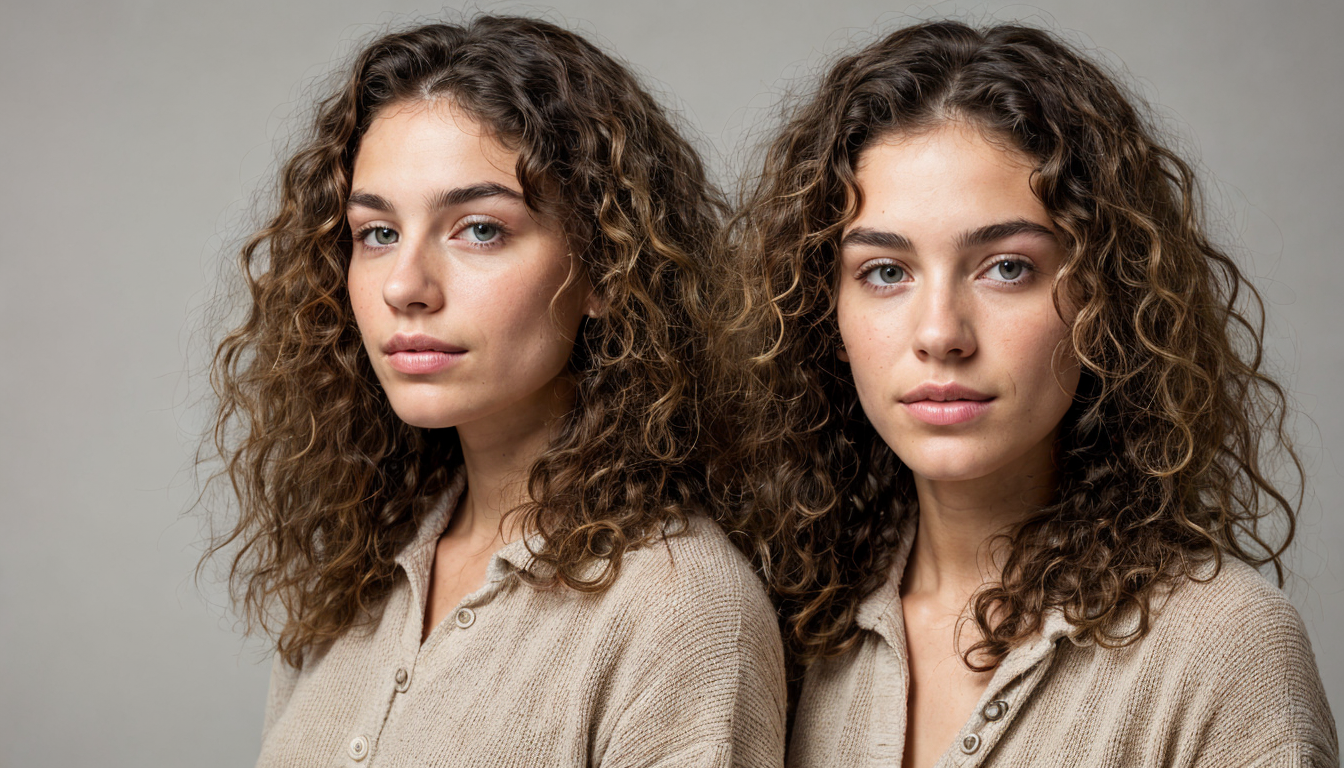
Curly hair is a distinctive physical trait that varies widely among individuals. It can be tightly coiled, loosely wavy, or somewhere in between, and it has fascinated scientists, historians, and cultural observers for centuries. Understanding why some people have curly hair requires delving into the science of genetics, exploring historical perspectives on hair texture, examining how language reflects this trait, and considering the role of culture in shaping perceptions.
TL;DR
- Genetics Play a Major Role: The shape and size of hair follicles are largely determined by genetic factors.
- Ethnicity Influences Hair Texture: Curly hair is more common among individuals from certain ethnic backgrounds due to historical migration patterns and natural selection pressures.
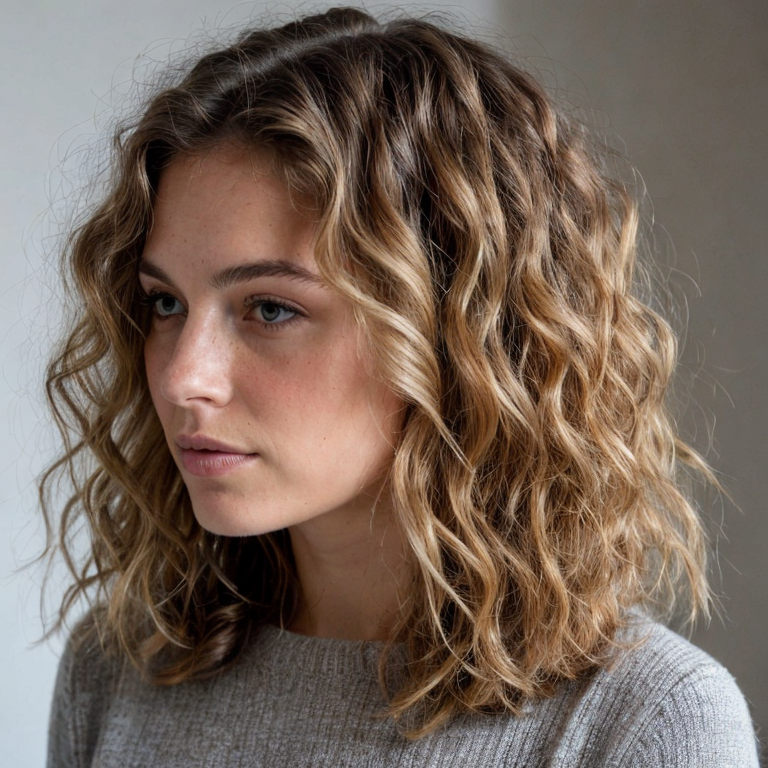
- Follicle Shape Determines Curliness: Oval-shaped follicles produce curly or wavy hair, while round ones lead to straight hair.
- Cultural Significance Varies Globally: Different cultures have varying attitudes towards curly hair, influenced by history and social norms.
- Care Requires Special Attention: Curly hair often needs specific care routines to maintain its health and appearance.
The Science Behind Curly Hair

The reason why some people have curly hair lies in the genetic makeup that influences hair follicle structure. Each strand of hair grows from a tiny opening in the skin called a follicle, which is shaped like an oval or round tube. When the follicles are oval-shaped, they produce thicker and more springy strands of hair with a natural tendency to curl. Conversely, when the follicles are perfectly round, they generate straighter hair.
Genetic Factors
The pattern of curly hair is inherited through genes. Specific genetic variations have been identified that contribute to the development of curly hair textures. For example, mutations in the EDAR and TCHH (trichohyalin) genes have been linked to differences in hair thickness and curliness among different populations.
Ethnic Background
Curly hair is more prevalent in certain ethnic groups due to genetic predispositions shaped by evolutionary history. Populations originating from regions with high humidity, such as sub-Saharan Africa, often have curly or tightly coiled hair types because this texture may offer protection against the environment and pests. In contrast, populations from areas like East Asia tend to have straighter hair.
Follicle Structure
Hair follicles are not uniform in shape; some are oval while others are round. The shape of the follicle determines whether a person's hair will be curly or straight. Oval-shaped follicles produce thicker and more springy strands that naturally form curls, whereas round follicles generate thinner and straighter hair.
Historical Perspectives on Hair Texture
Historically, different cultures have viewed curly hair through various lenses depending on their unique social contexts and environmental conditions. In ancient Egypt, for instance, dark and wavy hair was considered attractive and associated with beauty standards. Conversely, in certain parts of Europe during the Middle Ages, straight hair was often seen as more desirable.
Evolutionary Adaptations
Over time, natural selection has favored particular traits within various populations based on environmental pressures. For example, curly hair may have provided some protection against sunburns and heat stress for people living near the equator. This evolutionary advantage helped ensure survival in harsh conditions.
Etymology and Cultural Significance
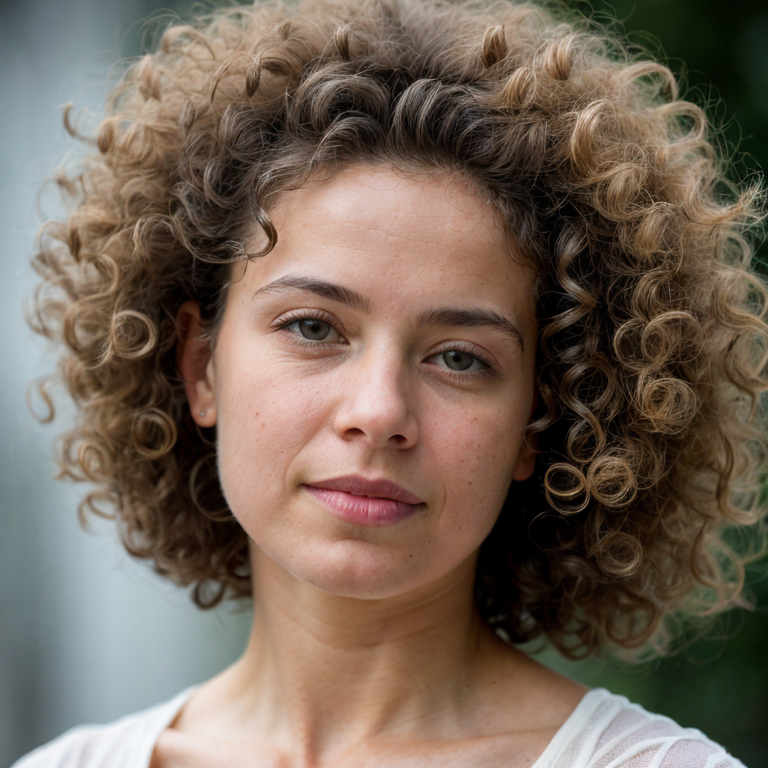
Language reflects cultural attitudes toward different types of hair. The words used to describe curly hair vary widely across languages, each carrying its own connotations and associations derived from historical contexts.
Linguistic Variations
In English, terms like "kinky," "wavy," and "curly" are used to classify hair textures. However, these descriptors can carry different meanings or implications depending on the cultural context in which they are employed. For instance, in some African cultures, curly hair might be celebrated as a symbol of beauty and strength.
Cultural Attitudes
Cultural perceptions of curly hair have evolved over time. In many Western societies, there has been a trend toward valuing straighter hair types due to historical beauty standards influenced by media representation. However, recent years have seen an increasing appreciation for natural hair textures across diverse communities.
Misconceptions About Curly Hair
Despite growing awareness about the science behind curly hair, several misconceptions persist regarding its care and maintenance. One common myth is that curly hair requires more frequent washing than straight hair; this belief stems from the idea that oil builds up faster in wavy or coiled strands due to their unique structure.
Care Myths Debunked
Another prevalent misconception is that all curly hair needs heavy conditioning products, which can be damaging if overused. In reality, finding a balanced regimen tailored to individual needs is crucial for maintaining healthy curly locks without compromising their natural texture.
Conclusion
Understanding why some people have curly hair involves exploring the complex interplay between genetics, ethnicity, and cultural influences. The science reveals that genetic variations and follicle shapes play pivotal roles in determining hair texture, while historical and social factors shape perceptions of beauty and care practices worldwide. By dispelling myths surrounding curly hair maintenance and embracing diverse aesthetic standards, individuals can better appreciate this unique physical trait and its significance across cultures.