Why Do Eyebrows Matter? | Function and Purpose
TL;DR:
- Facial Expression Enhancement: Eyebrows play a crucial role in expressing emotions and enhancing facial expressions.
- Sweat Protection: They prevent sweat from dripping into the eyes, keeping vision clear during physical exertion or hot weather.
- Evolutionary Advantage: The unique shape of human eyebrows may have evolved to facilitate nonverbal communication and social interaction.
- Anatomical Structure: Eyebrows are composed of small hairs that grow in a specific pattern to serve their functional purposes.
- Cultural Significance: Throughout history, eyebrow grooming has been an important aspect of personal appearance and cultural identity.
Facial Expression Enhancement

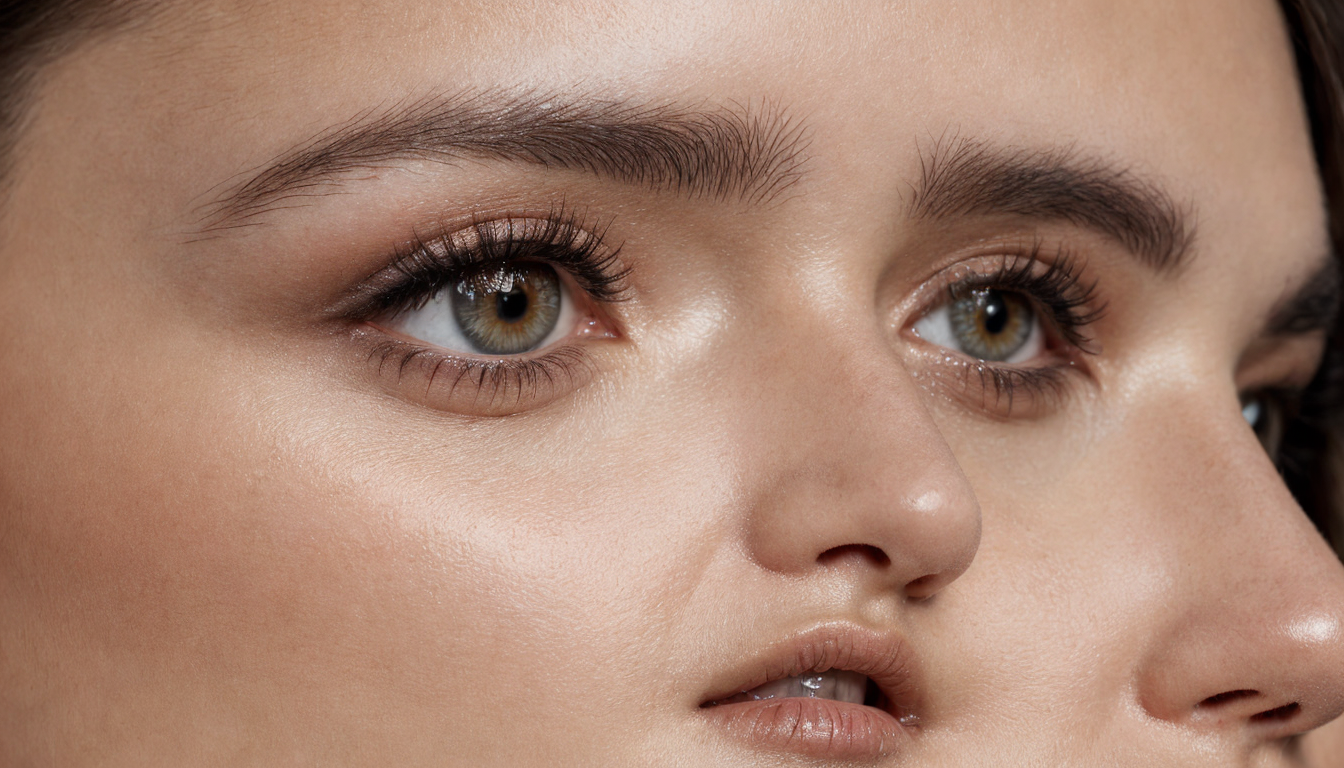
Eyebrows are essential for conveying a wide range of emotions and enhancing facial expressions. They work in conjunction with the eyes, mouth, and other facial features to communicate subtle nuances that words alone cannot express. For instance, raising one eyebrow can indicate skepticism or flirtation, while furrowing both eyebrows might signal confusion or concern.
Anatomy of Eyebrows
Eyebrows are composed of small hairs that grow in a specific pattern around the eye socket. These hairs have different textures and lengths, contributing to their overall appearance and functionality. The shape of an eyebrow is also crucial for its role in facial expressions; a well-defined arch helps emphasize certain emotions more effectively.
Sweat Protection
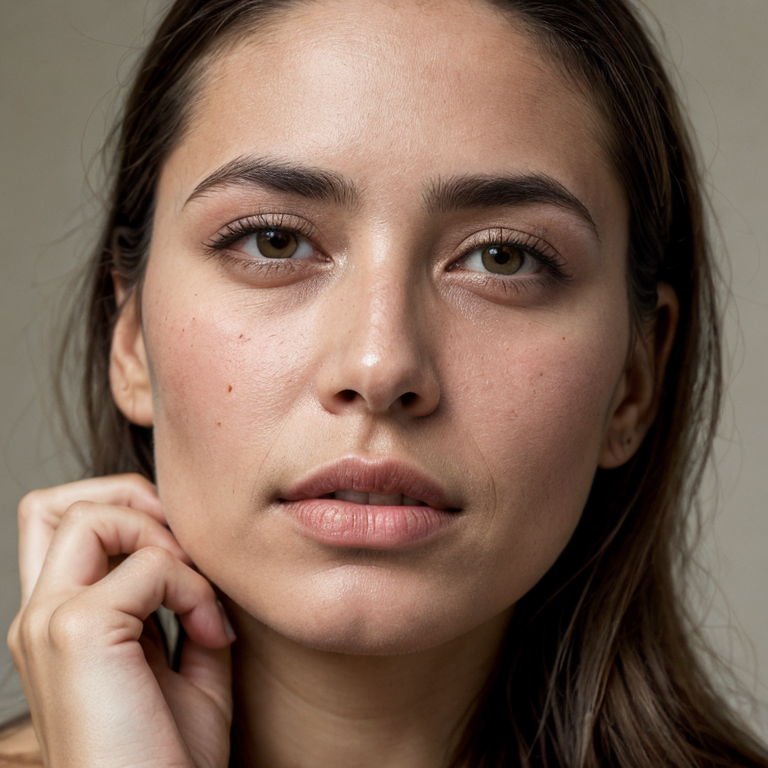
One of the practical functions of eyebrows is to protect the eyes from sweat. During physical activity or in hot environments, perspiration can accumulate on the forehead and face. Eyebrows act as a barrier, directing sweat away from the eye area and ensuring that vision remains clear and unobstructed.
Nonverbal Communication
Eyebrows are instrumental in nonverbal communication, which is an essential aspect of human interaction. Through subtle movements and changes in shape, individuals can convey complex messages without speaking. This ability to communicate through eyebrow gestures has been recognized as a critical component of social interaction since ancient times.
Evolutionary Advantage
The unique shape and positioning of human eyebrows are thought to have evolved for several reasons, one being the need for enhanced nonverbal communication. Unlike other primates whose fur can obscure facial expressions, humans developed smooth skin around their eyes, making eyebrow movements more visible and effective in conveying emotions and intentions.
Evolutionary Perspective
From an evolutionary standpoint, eyebrows may have played a significant role in early human social structures by facilitating the development of complex societies based on nuanced forms of communication. This theory suggests that as humans began to rely more heavily on nonverbal cues for interaction, the distinctiveness of their eyebrows became increasingly advantageous.
Historical and Cultural Significance
Throughout history, eyebrow grooming has been an important aspect of personal appearance and cultural identity across various civilizations. Ancient Egyptians used kohl (a type of eyeliner) to enhance their eyebrows and eyes, while ancient Greeks emphasized symmetry and naturalness in facial features. In modern times, the trend towards fuller, more defined brows reflects a continued appreciation for this distinctive feature.
Cultural Practices
In many cultures today, enhancing or modifying eyebrows through techniques such as threading, waxing, or cosmetic application remains popular. These practices not only serve aesthetic purposes but also reflect broader societal values regarding beauty and self-expression. For example, the use of eyebrow pencils to draw on more defined arches has become a widespread trend in contemporary fashion.
Misconceptions About Eyebrows
Despite their importance, there are several misconceptions about eyebrows that persist. One common myth is that removing all facial hair will prevent sweating around the eyes—a notion without scientific basis. Another misconception is that eyebrows have no real purpose beyond cosmetic enhancement, which overlooks their critical roles in expression and protection.
Debunking Myths
It's important to clarify these misconceptions by emphasizing the multifaceted nature of eyebrow function. While they certainly contribute to personal appearance, their significance extends far beyond aesthetics into realms of physiological necessity and social interaction.
Conclusion
Eyebrows serve a variety of crucial functions in human biology and society. Beyond enhancing facial attractiveness, they protect against sweat, facilitate nonverbal communication, and hold evolutionary importance. Understanding these roles provides insight into the intricate design of our bodies and highlights the ongoing relevance of this small but significant feature in both individual expression and broader cultural contexts.