Why Do Dogs Chase Cats? - The Instinct Explained
TL;DR
- Predatory Behavior: Dogs have an innate hunting instinct that can manifest as chasing cats.
- Territoriality and Dominance: Dogs may chase cats to establish dominance or defend their territory.
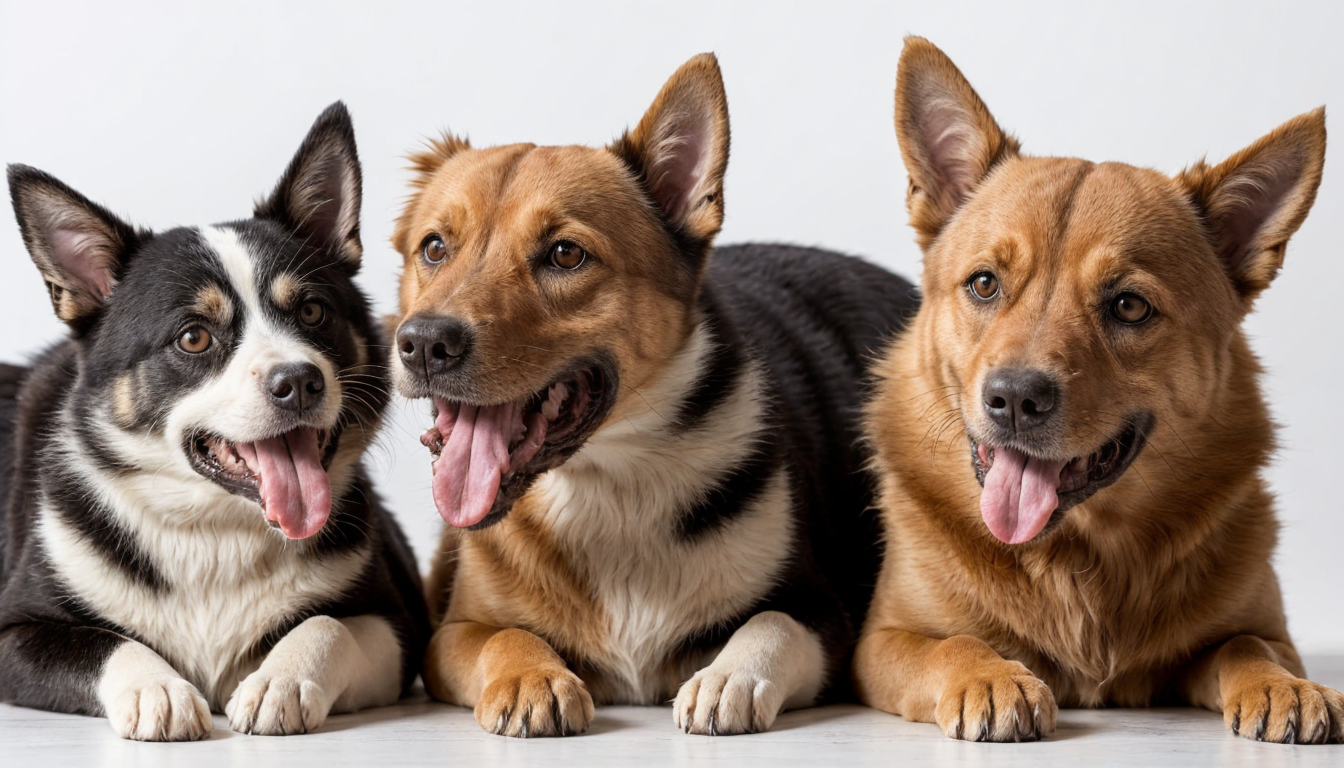
- Play Behavior: Sometimes, dogs chase cats out of playful curiosity rather than aggression.
- Lack of Socialization: Poor socialization between puppies and kittens can lead to conflict in adulthood.
- Training and Management: Proper training and management techniques can help mitigate dog-chasing cat behavior.
Understanding the Scientific Basis
Predatory Instincts
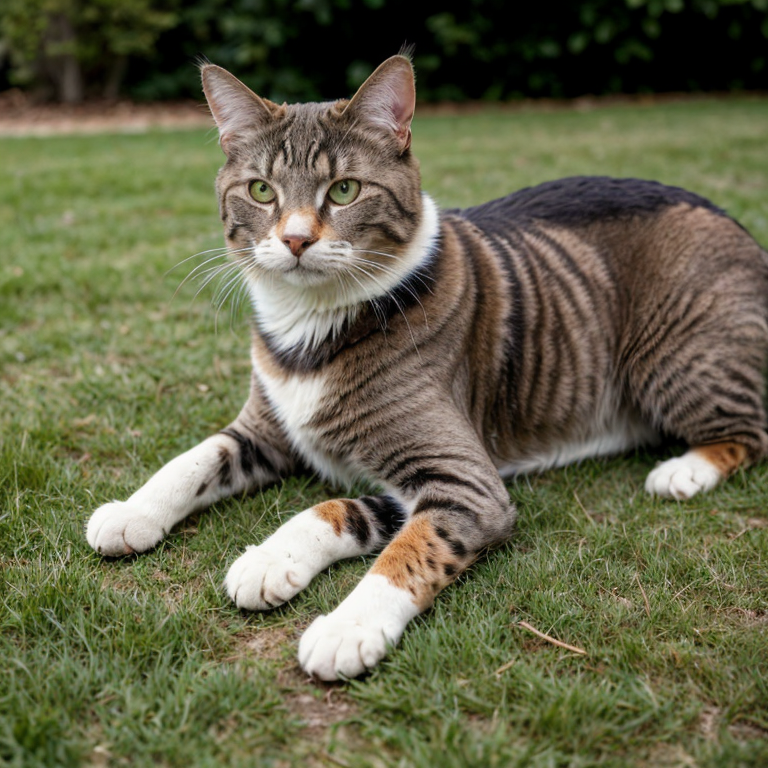
Dogs, as descendants of wolves, retain many of their ancestors' hunting behaviors. This includes stalking prey, chasing it down, and engaging in playful pouncing. Cats, due to their small size and agility, can trigger these predatory instincts in dogs. The act of chasing is often an expression of this innate behavior.
Territorial Dominance
Territoriality is a fundamental aspect of canine social structures. Dogs may perceive cats as intruders or competitors for resources such as food, shelter, and attention from their human caretakers. Chasing can be a way to assert dominance over the territory and reinforce their position in the household hierarchy.
Play Behavior
For young dogs, chasing is often a form of play. They engage in roughhousing with littermates to develop social skills, learn boundaries, and practice hunting techniques. When introduced to cats, this playful behavior can sometimes be misinterpreted as aggression by both species.
Historical Context and Etymology
Ancient Origins
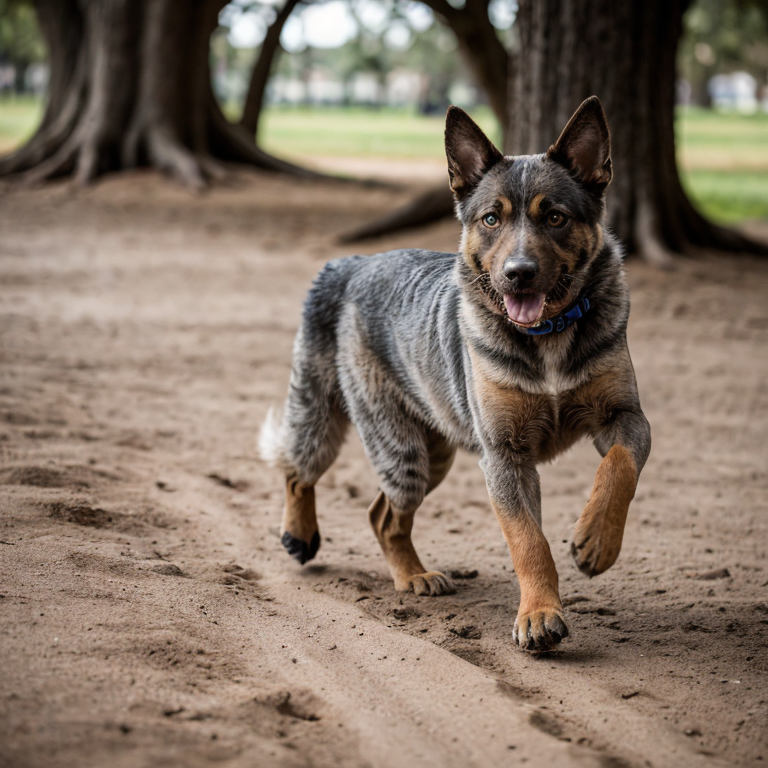
The relationship between dogs and cats has been documented for thousands of years. In ancient Egypt, dogs were revered as guardians and protectors, while cats were worshipped as sacred animals associated with the goddess Bastet. Despite this reverence, records indicate that interactions between these species could sometimes be antagonistic.
Evolutionary Adaptations
Throughout their domestication history, both dogs and cats have adapted to living alongside humans in various environments. Dogs developed a more cooperative relationship with humans, while cats remained largely independent but were valued for their ability to control rodent populations. This coexistence has influenced the behavioral dynamics between these species.
Cultural Perspectives and Misconceptions
Popular Culture Depictions
In popular culture, dogs chasing cats is often portrayed as an inevitable conflict due to innate antagonism. However, this portrayal oversimplifies complex interactions that can be influenced by environmental factors, training, and individual temperaments.
Socialization Importance
Proper socialization during the critical periods of puppyhood and kittenhood is crucial for fostering peaceful coexistence between dogs and cats. Early positive experiences help establish mutual respect and reduce aggressive tendencies in later life.
Training Techniques and Management Strategies
Positive Reinforcement
Using positive reinforcement techniques, such as rewarding calm behavior around cats with treats or praise, can encourage dogs to associate the presence of a cat with good outcomes rather than threats or playtime.
Controlled Introductions
Gradual, supervised introductions allow both pets to acclimate to each other's presence without overwhelming either animal. This approach helps build trust and reduces anxiety that might otherwise trigger aggressive behaviors.
Conclusion: Promoting Harmony Between Dogs and Cats
Understanding the underlying reasons why dogs chase cats is essential for addressing this behavior effectively. By recognizing the role of predatory instincts, territorial dominance, and playfulness, alongside implementing proper socialization and training methods, pet owners can work towards fostering a harmonious relationship between their canine and feline companions. This not only enhances the well-being of both pets but also enriches the lives of their human caretakers.