Why Ghost Peppers Scorch: The Science Behind Extreme Heat
TL;DR:
- Ghost peppers are exceptionally hot due to high levels of capsaicinoids.
- Their unique genetics contribute to their fiery nature.
- Capsaicin binds to pain receptors in the mouth, creating a burning sensation.
- Cultivation practices and environmental factors can influence heat levels.
The Science Behind Extreme Heat
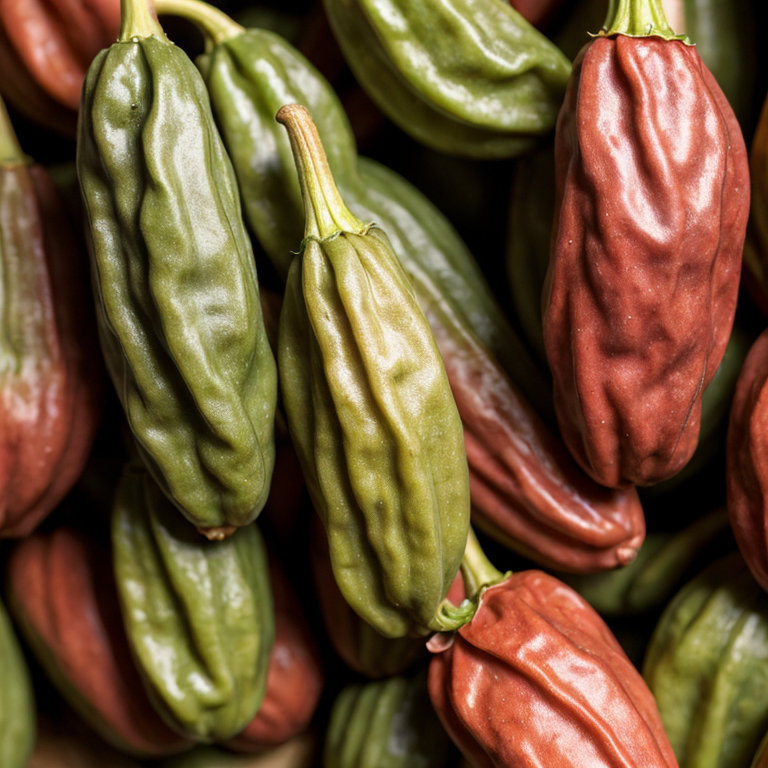
Ghost peppers, scientifically known as Capsicum chinense, are renowned for their intense spiciness. Their extreme heat is primarily attributed to high concentrations of capsaicinoids, particularly capsaicin. These compounds are responsible for the burning sensation experienced when consuming spicy foods. Capsaicin binds to pain receptors (TRPV1) in the mouth and throat, triggering a response that can feel like actual burns.
What Is Capsaicin?
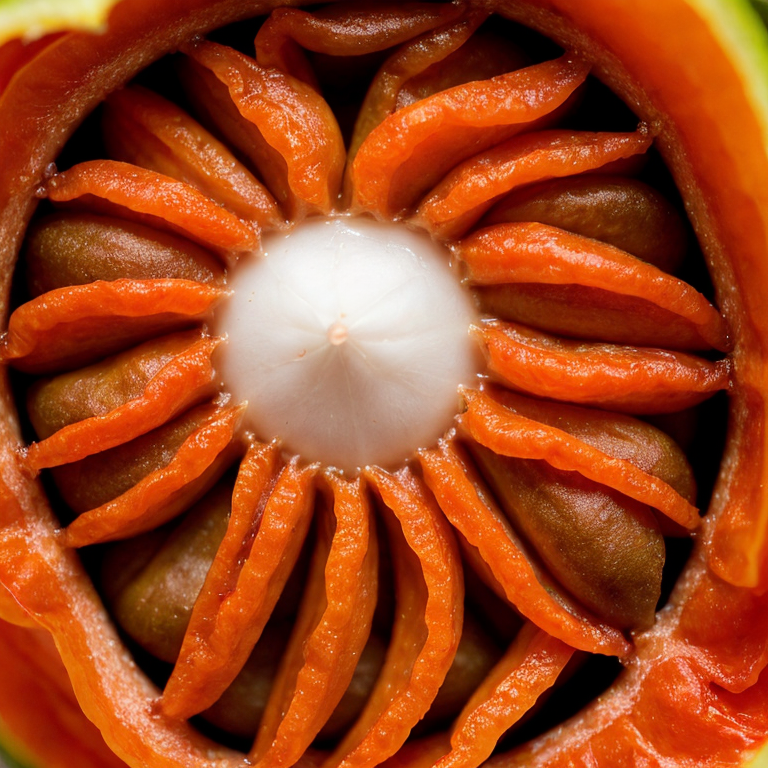
Capsaicin is the primary irritant found in hot peppers. It is an oily substance produced by glands within the fruit's placenta, which connects the seeds to the inner wall of the pepper pod. The amount of capsaicin determines how "hot" a chili pepper tastes. Ghost peppers typically rank between 800,000 and 1 million Scoville Heat Units (SHU), making them one of the hottest chilies in the world.
Unique Properties of Ghost Peppers
Ghost peppers have several genetic traits that contribute to their high heat levels:
- Placental Capsaicin Production: The placenta is where most capsaicin production occurs. In ghost peppers, this area contains a higher density of glands compared to other chili varieties.
- Seed Capsaicin Content: Unlike some milder chilies, ghost pepper seeds also contain significant amounts of capsaicin, adding extra heat when the fruit is consumed or used in cooking.
History and Etymology
Origin and Early Cultivation
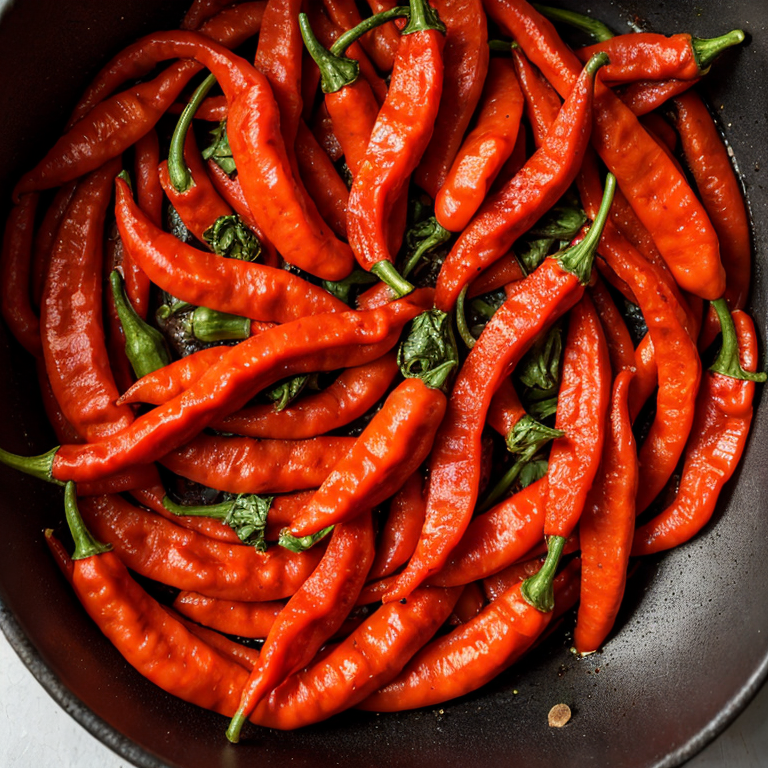
The origins of Capsicum chinense can be traced back to Central America and the Caribbean. These peppers were cultivated by indigenous peoples for thousands of years before being introduced to Europe via colonization routes. The name "ghost pepper" is a relatively modern term, with no direct historical reference in ancient texts or early agricultural records.
Cultural Significance
In traditional cuisine from regions like India's Northeastern states, ghost peppers play a crucial role due to their intense flavor and heat profile. Dishes made with these chilies are often used to add depth and complexity to spicy dishes. The cultural significance of such peppers is tied closely to local culinary traditions.
Misconceptions About Ghost Peppers
Myths Debunked
There are several misconceptions about ghost peppers:
- Myth: Capsaicin Can Burn Skin: While capsaicin can irritate skin if not properly washed off, it cannot cause actual burns.
- Myth: Eating Hot Peppers Will Damage Your Stomach: Despite the intense heat experienced in the mouth and throat, consuming hot peppers does not typically damage stomach lining.
Proper Handling
When handling ghost peppers or any extremely spicy chilies, it is important to use gloves and avoid touching sensitive areas like eyes or nose. Capsaicin can cause significant irritation if it comes into contact with these mucous membranes.
Conclusion
Ghost peppers are renowned for their extreme heat, thanks to high levels of capsaicinoids and unique genetic properties. Understanding the science behind why they burn so intensely provides valuable insight into the nature of spicy foods and how our bodies react to them. By demystifying common misconceptions about these fiery chilies, we can better appreciate their culinary significance and cultural impact while ensuring safe handling practices.