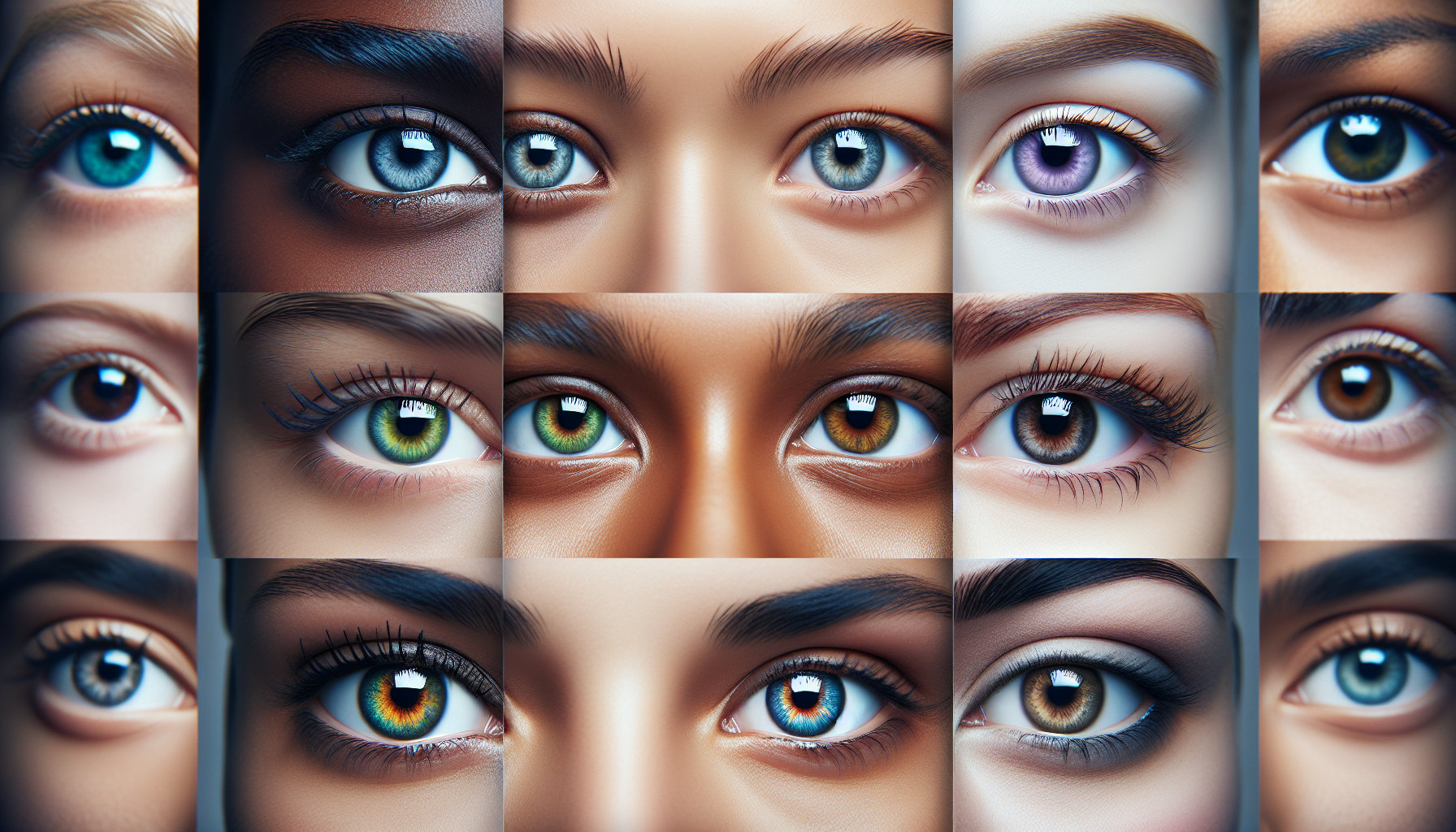
Discover What Determines Eye Color in Humans
Eye color is one of the most visually distinctive traits among humans, ranging from the darkest shades of brown to the lightest hues of blue. Intriguingly, the determinants of eye color are deeply rooted in genetics and biology, revealing a complex interplay of hereditary factors and environmental influences. This article explores the science behind what determines eye color, delving into the roles of genetics, melanin production, and other contributing factors.
TL;DR
- Eye color is primarily determined by the type and amount of melanin in the iris, influenced by over 16 different genes.
- The OCA2 and HERC2 genes are pivotal in the genetic mechanisms that dictate eye color.
- Environmental factors and age can alter melanin levels, thereby subtly changing eye color over time.
- Genetic inheritance of eye color follows a polygenic model, meaning multiple genes contribute to the outcome.
- New technologies and studies continue to uncover more about how these genes interact and influence eye color.
- Medical conditions and mutations can also lead to changes in eye color, reflecting the complexity of genetic expression.
The Science Behind Eye Color
Genetics of Eye Color
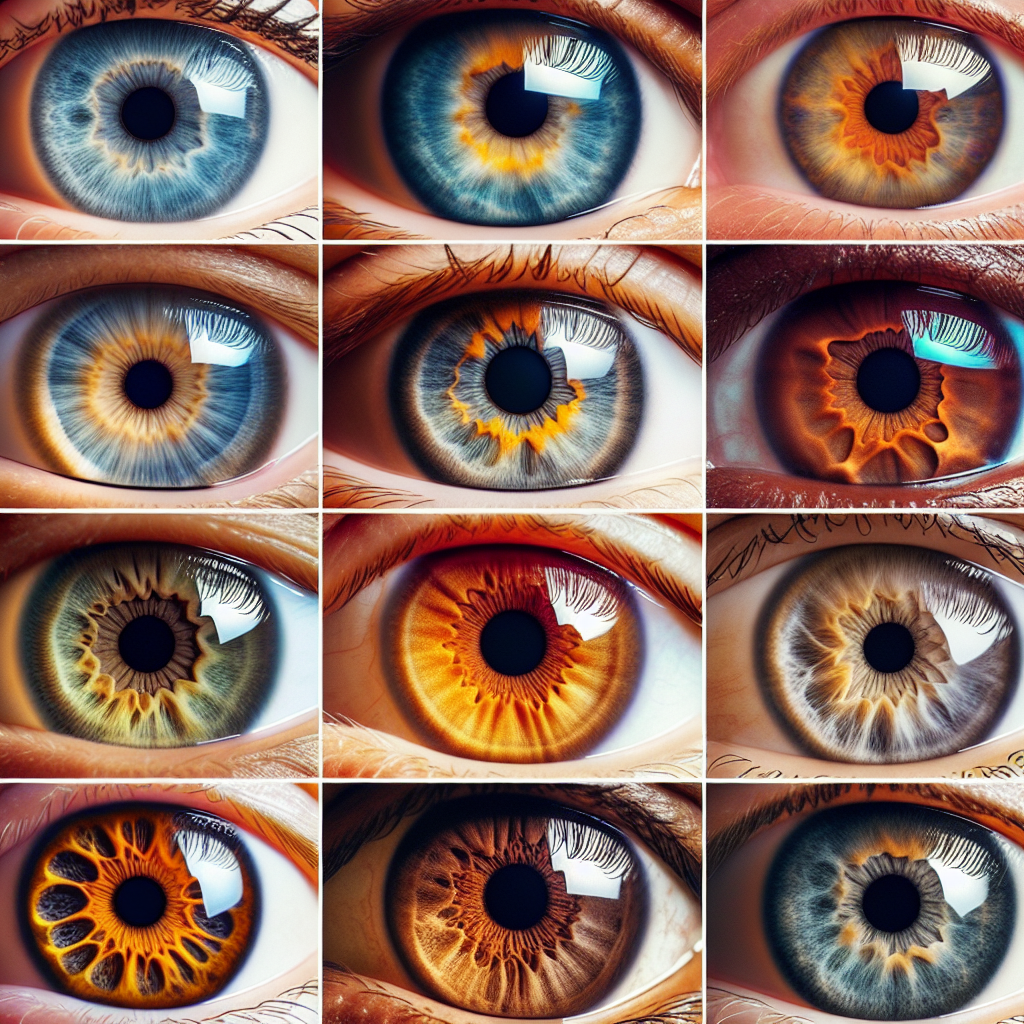
The human eye color is primarily determined by the genetics and concentration of melanin in the irises. Melanin, a natural pigment found in most organisms, is the primary determinant of coloration in the eyes. The more melanin present, the darker the eye color; conversely, less melanin results in lighter eyes. Genetically, this trait is influenced by more than 16 genes that dictate how melanin is produced, distributed, and stored in the iris.
Among these genes, the OCA2 and HERC2 genes on chromosome 15 play significant roles. The OCA2 gene appears to regulate the production of melanin, while the HERC2 gene influences OCA2’s expression. Variations in these genes, particularly in the regulatory regions that control the OCA2 gene's expression, are closely linked to blue and green eye colors.
Melanin and Its Role
Melanin in the iris functions similarly to melanin in the skin; it provides color and protects against ultraviolet light. In the iris, two types of melanin are present: eumelanin (dark brown) and pheomelanin (lighter, yellow to red pigments). The specific ratios and concentrations of these melanins contribute to the wide spectrum of eye color observed in humans.
Gene Interactions
The interaction between multiple genes adds a level of complexity to predicting eye color. While parents' eye colors can provide some predictive insight, the polygenic nature of eye color means that several outcomes are possible. For instance, two brown-eyed parents can produce a child with blue eyes if both parents carry recessive alleles associated with lighter eye colors.
Historical Perspectives on Eye Color
Genetic Inheritance Patterns
Historically, eye color was thought to be a simple Mendelian trait, where brown eye color was dominant over blue. However, modern genetics has revealed that the inheritance of eye color is far more complex, involving multiple genes and their interactions.
The Role of Environment and Age
Environmental Influences and Aging
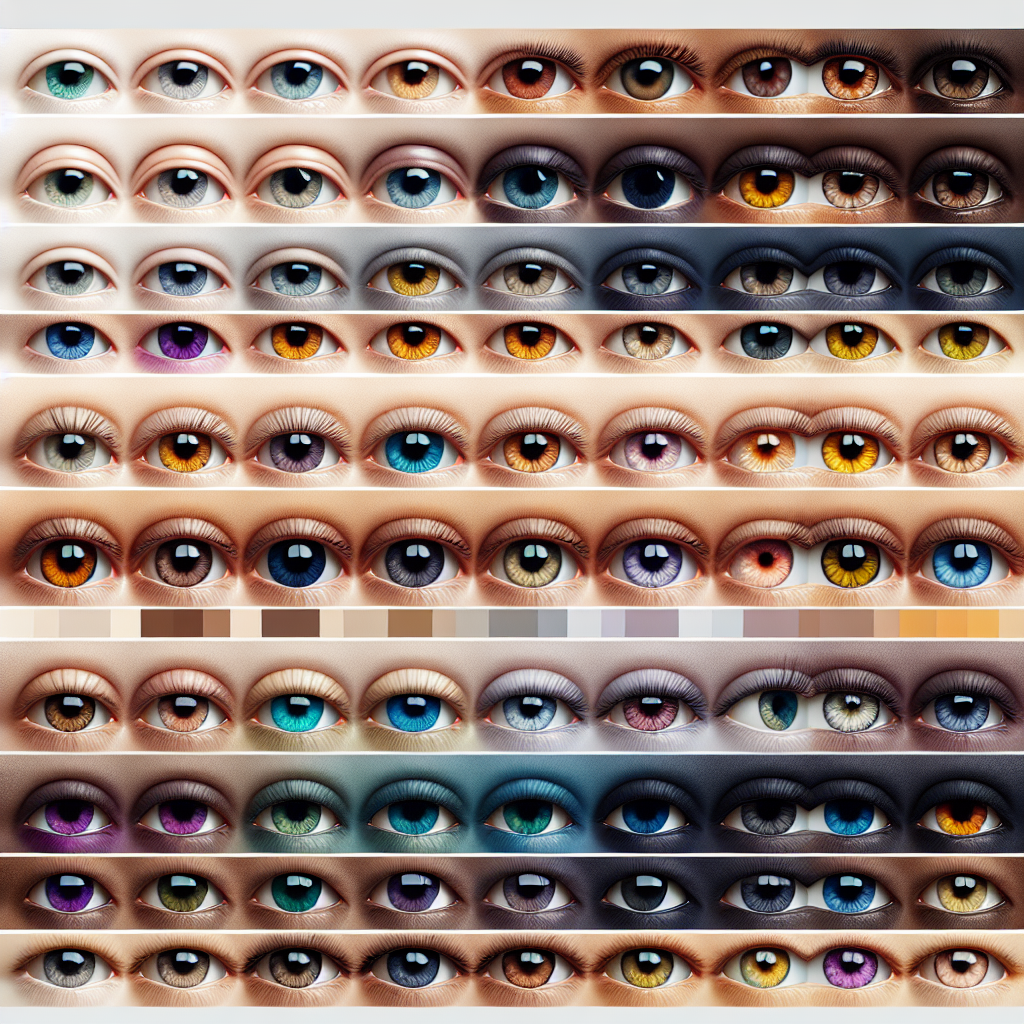
While genetics play the primary role in determining eye color, environmental factors such as sunlight and age can influence melanin production, potentially leading to changes in eye color over time. For example, prolonged exposure to the sun can increase melanin production in the eyes, subtly darkening them. Additionally, some people experience a change in eye color as they age, typically seeing a gradual increase in darkness.
Cultural Significance of Eye Color
Across different cultures, eye colors have been imbued with various meanings and associations. In some cultures, light eyes are revered and considered beautiful, while in others, dark eyes are favored. Moreover, myths and misconceptions about personality traits associated with certain eye colors have pervaded cultural narratives, although there is no scientific basis for these beliefs.
Common Misconceptions
Predictability and Changeability
A common misconception is that eye color can be predicted accurately based solely on the eye colors of parents and grandparents. Due to the complex nature of genetic inheritance, predictions without genetic testing are generally unreliable. Additionally, some believe that eye color can be permanently changed through diet or health supplements, which is not supported by scientific evidence.
Conclusion
The determination of eye color is a fascinating example of complex genetic traits influenced by multiple genes and environmental factors. Advances in genetic research continue to unravel the intricate mechanisms behind eye color, providing deeper insights into how our genes interact to produce the diverse palette of human eye colors. Understanding these principles not only satisfies curiosity but also enhances our knowledge of genetics and its applications in fields like medicine and ancestry. As research progresses, our grasp of this colorful aspect of human biology will only deepen, reflecting the intricate beauty of the genetic tapestry that colors our world.