Exploring DNA: Unveiling Its Role and Significance
DNA, or deoxyribonucleic acid, is the hereditary material in humans and almost all other organisms. Nearly every cell in a person's body has the same DNA. It is the carrier of genetic information and is instrumental in determining the biological inheritance of traits from parents to offspring. Understanding DNA's structure, function, and implications has revolutionized the fields of genetics, medicine, and forensics.
TL;DR
- DNA is the fundamental molecule of life that carries genetic instructions for the development, functioning, and reproduction of all known organisms.
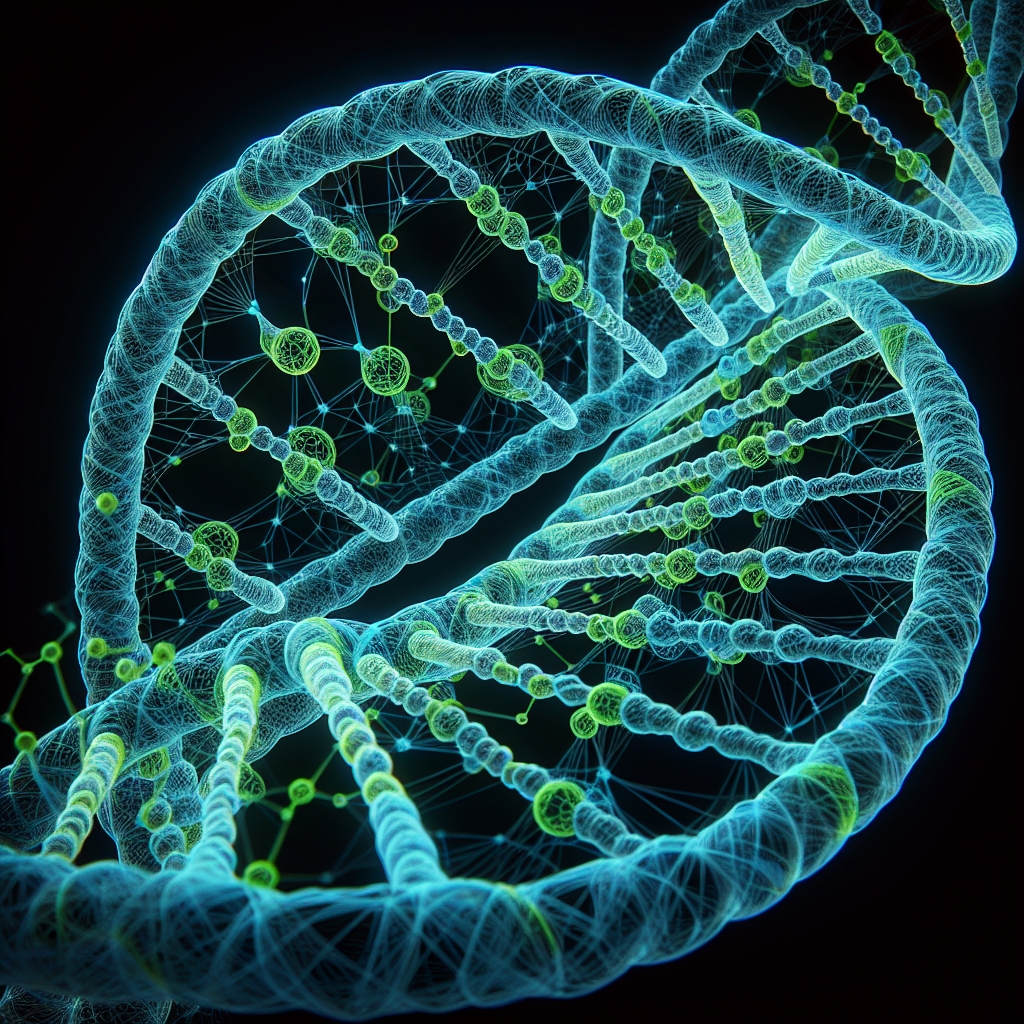
- The structure of DNA consists of a double helix made up of nucleotides, each containing a sugar, a phosphate group, and a nitrogenous base.
- DNA plays a critical role in heredity, serving as the blueprint for proteins and ultimately influencing an organism’s entire makeup.
- Mutations in DNA can lead to genetic disorders or increased susceptibility to diseases.
- Advancements in DNA technology have led to significant breakthroughs in medical research, forensic science, and biotechnology.
- Ethical and privacy concerns arise with the increase in genetic testing and manipulation capabilities.
What is DNA?

The Science of DNA
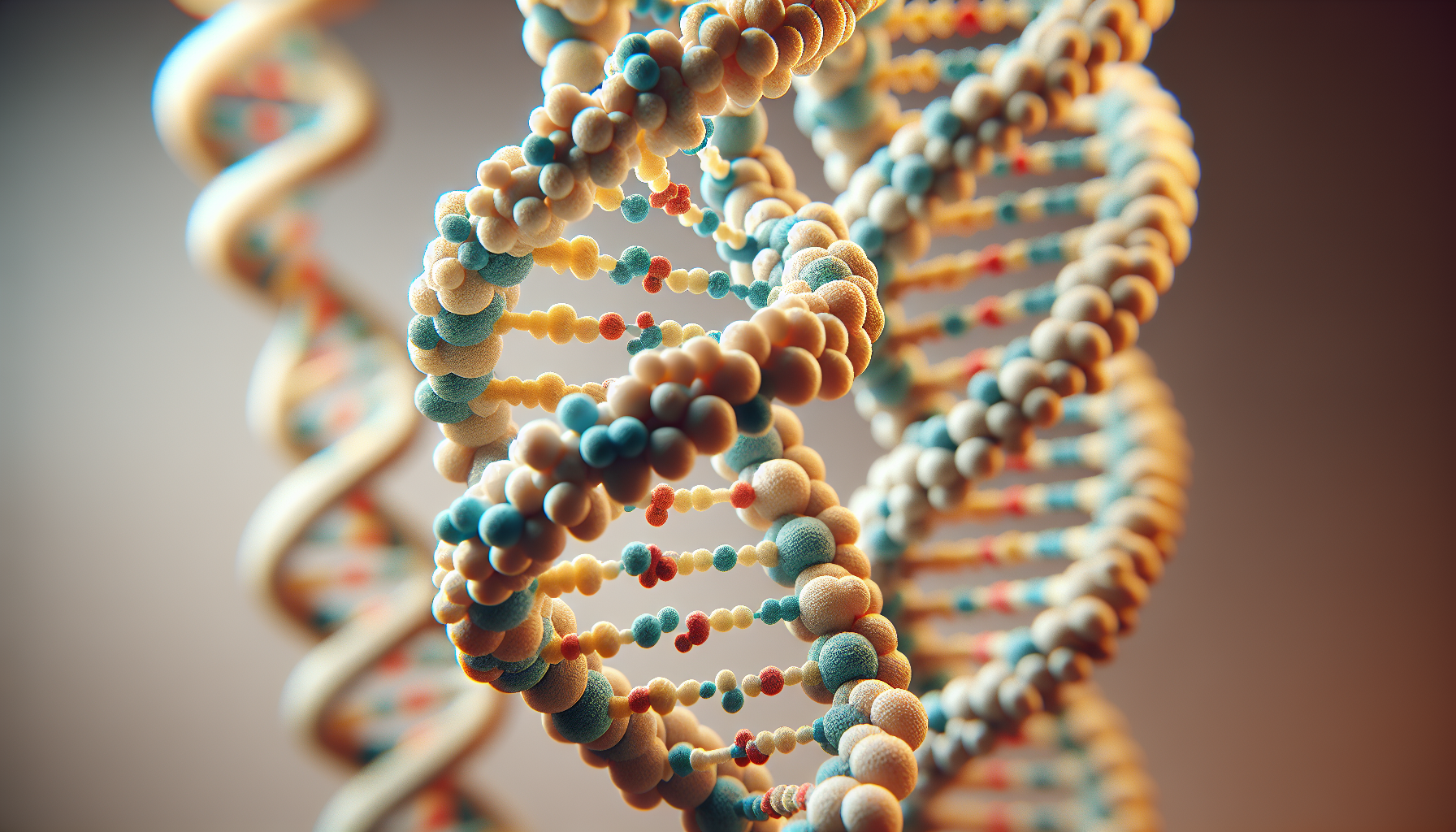
DNA is composed of two long strands forming a double helix, with each strand consisting of nucleotides. These nucleotides are made up of a sugar molecule (deoxyribose), a phosphate group, and one of four nitrogenous bases: adenine (A), thymine (T), cytosine (C), and guanine (G). The order of these bases along the DNA strand encodes the genetic instructions used in the growth, development, functioning, and reproduction of organisms.
DNA's Role in Heredity
The primary function of DNA is to store and transmit genetic information that dictates the biological traits of organisms. This information is passed from parents to offspring through genes, segments of DNA that are responsible for specific traits. DNA replication is a critical process during cell division, ensuring that each new cell receives an accurate copy of the DNA.
Historical Insights into DNA
Discovery and Milestones
The discovery of DNA dates back to 1869 when Friedrich Miescher first identified a substance he called "nuclein" in the nuclei of human white blood cells. The term DNA was later coined, and its role in heredity was gradually understood through the work of scientists such as Gregor Mendel, Thomas Hunt Morgan, and others. However, it was not until 1953 that James Watson and Francis Crick, aided by Rosalind Franklin’s X-ray crystallography photographs, proposed the double helical structure of DNA, a breakthrough that earned Watson and Crick a Nobel Prize.
Technological Advances
The development of DNA sequencing methods in the 1970s, notably by Frederick Sanger, further expanded the understanding of DNA. These advancements culminated in large-scale projects like the Human Genome Project, completed in 2003, which mapped all the genes in the human genome.
The Etymology of DNA
The term "DNA" stands for deoxyribonucleic acid. The name reflects its components: 'deoxyribose' being the sugar derived from ribose by loss of an oxygen atom, 'nucleic' because it was identified in the nucleus, and 'acid' due to its acidic properties. Understanding the etymology of DNA helps clarify its fundamental role and presence in the cell nucleus.
Cultural and Ethical Considerations
DNA in Society
The understanding of DNA has permeated popular culture, influencing everything from forensic science depicted in media to discussions about genetic predisposition to diseases. It raises questions about privacy, consent, and the potential for genetic discrimination.
Ethical Implications
As genetic testing and gene editing technologies like CRISPR become more accessible, ethical debates intensify. Issues such as gene therapy, designer babies, and the modification of genetic traits in humans are at the forefront of bioethical discussions. Balancing the benefits of these technologies against potential risks and ethical concerns is a major challenge.
Common Misconceptions about DNA
- Myth: Eating DNA altered foods can change your DNA. Fact: DNA ingested through food does not integrate into human DNA and poses no harm in this context.
- Myth: Identical twins have identical DNA. Fact: While identical twins start with the same DNA, small mutations can occur in their genomes that differentiate them slightly.
- Myth: All your traits are determined solely by your DNA. Fact: Environmental factors and interactions between different genes also play a crucial role in shaping an individual.
Conclusion
DNA is much more than just a molecule; it's the blueprint of life that has shaped the scientific understanding of all living organisms. Its discovery and subsequent research have not only unveiled the complexity of genetics but also opened new avenues in medical research, forensic science, and biotechnology. As we continue to explore the capabilities and limits of genetic manipulation, the importance of ethical considerations and societal impacts remains paramount. Understanding DNA fully requires not only scientific inquiry but also a thoughtful consideration of its broader implications.