Why Do Thunderstorms Occur?
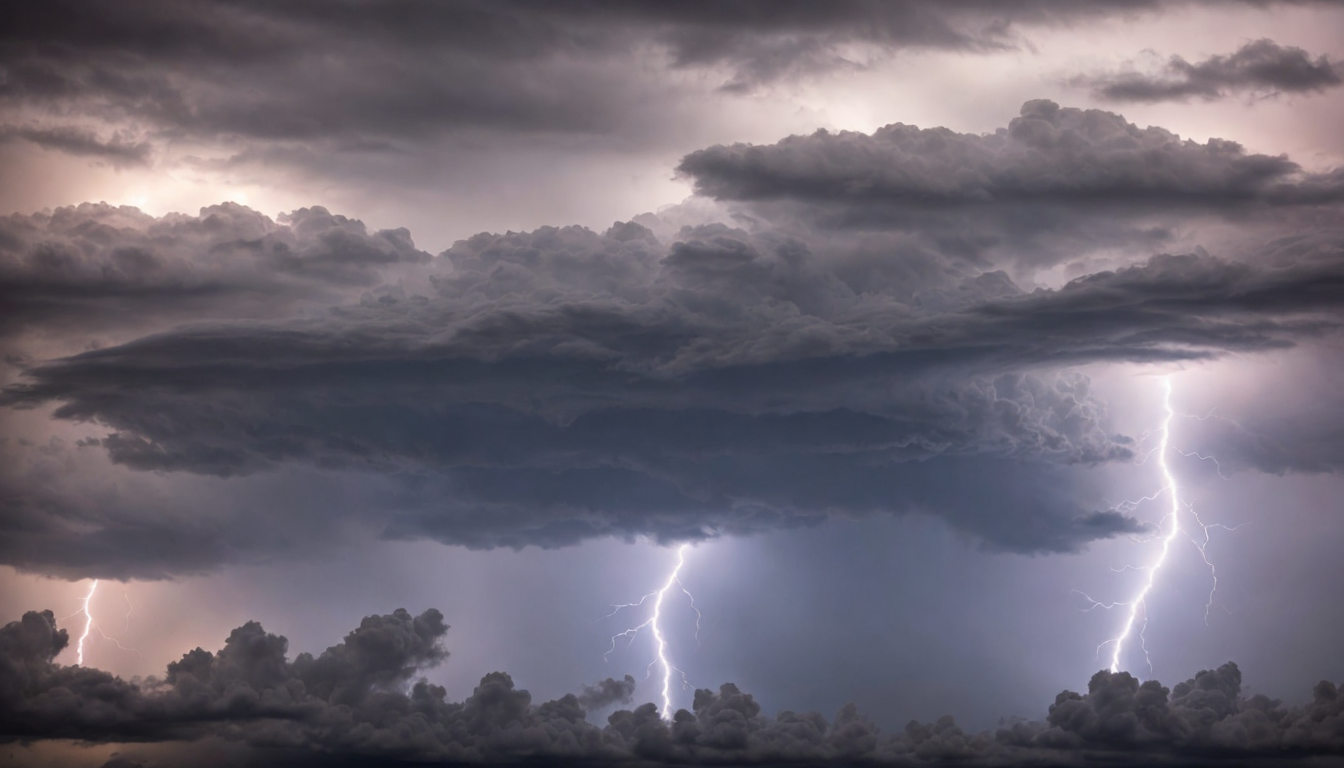
Thunderstorms are powerful weather events characterized by lightning and thunder, accompanied by heavy precipitation such as rain or snow. These storms form under specific atmospheric conditions that combine to create a volatile environment ripe for electrical discharges.
TL;DR
- Formation: Thunderstorms occur when warm air rises rapidly in unstable atmospheric conditions.
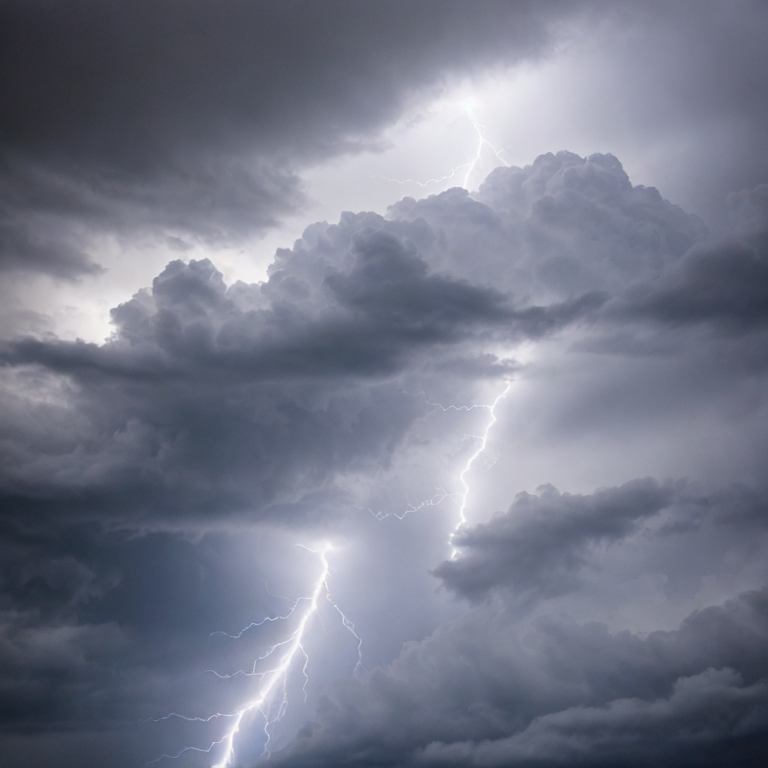
- Lightning: Lightning forms due to the separation of positive and negative charges within storm clouds.
- Precipitation: Heavy precipitation is a result of updrafts carrying moisture high into the atmosphere where it condenses.
- Global Distribution: Thunderstorms are most common in tropical regions but can occur anywhere on Earth with suitable atmospheric conditions.
- Frequency: In certain areas, thunderstorms can occur almost daily during specific seasons.
The Science Behind Thunderstorm Formation
Atmospheric Instability and Warm Air Rising
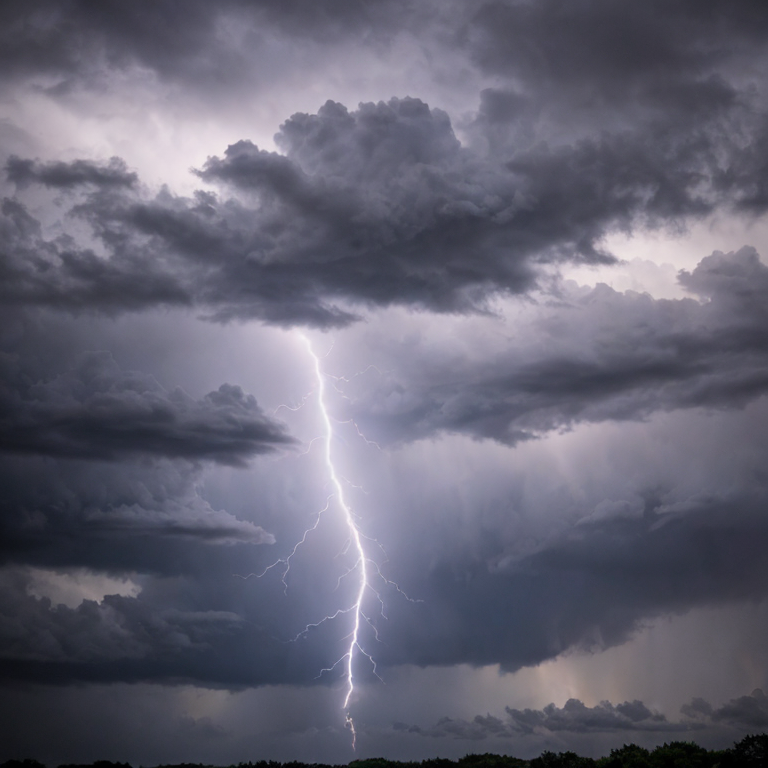
Thunderstorms form when warm air rises rapidly through a layer of cooler air. This process is known as an updraft. When the rising warm air reaches its dew point (the temperature at which it becomes saturated with moisture), condensation occurs, forming clouds. As these clouds grow larger due to continuous uplift, they can extend into the upper troposphere where temperatures are much colder.
Condensation and Precipitation
As water vapor condenses into liquid droplets within storm clouds, precipitation begins to form. These droplets coalesce and grow until gravity causes them to fall as rain or snow. The process of cloud formation and subsequent rainfall is driven by the continuous supply of warm air from below and the cooling effects of altitude.
Lightning Formation
Lightning occurs when electric charges separate inside thunderstorm clouds. Positive charges tend to accumulate at higher altitudes, while negative charges build up closer to the ground. When these charges become sufficiently strong, they can discharge as lightning bolts across the potential difference between them. The rapid heating and expansion of air caused by a lightning strike results in the sound waves we hear as thunder.
Historical Understanding
Early Observations
The formation and characteristics of thunderstorms have been observed and recorded for centuries. Ancient civilizations recognized the power and significance of these storms, often attributing them to divine forces or natural phenomena beyond human understanding. Early meteorologists began systematically recording weather patterns in the 17th century, laying the groundwork for modern atmospheric science.
Scientific Breakthroughs
The scientific study of thunderstorms gained momentum during the Enlightenment period with advancements in thermodynamics and fluid dynamics. Notable figures such as Benjamin Franklin conducted experiments that shed light on the nature of lightning and electricity. By the late 19th and early 20th centuries, more sophisticated instruments allowed for detailed analysis of atmospheric conditions leading to thunderstorm development.
Etymology and Cultural Significance
Terminology
The term "thunderstorm" itself is a straightforward combination of descriptive words: "thunder," which describes the sound produced by lightning, and "storm," indicating a violent disturbance of wind. The word "lightning" originates from an Old English verb meaning to lighten or brighten, reflecting its sudden illumination.
Cultural Perceptions
Thunderstorms have been both feared and revered throughout history across different cultures. In many mythologies, thunder is associated with powerful deities such as Zeus in Greek mythology or Thor in Norse lore. These stories often reflect the awe-inspiring nature of thunderstorms and their ability to bring about change or destruction.
Misconceptions About Thunderstorms
Common Myths
One common misconception is that lightning strikes only hit tall objects like trees or buildings, leading some people to believe they are safe if they stay away from such structures during a storm. In reality, lightning can strike anywhere within the vicinity of a thunderstorm, including open fields and bodies of water.
Another myth is that closing windows prevents lightning from entering a house. While it's important to take precautions inside buildings during storms, lightning typically enters via wiring or plumbing rather than through windows or doors.
Scientific Clarifications
Lightning strikes do not occur randomly; they follow specific paths determined by the electrical potential between storm clouds and ground objects. Understanding this helps in developing better safety measures for individuals and infrastructure alike.
Effects of Climate Change on Thunderstorms
Recent studies indicate that climate change is altering weather patterns globally, potentially increasing the frequency and intensity of thunderstorms in certain regions. Warmer air holds more moisture, leading to heavier precipitation events when storms do form. Additionally, changes in atmospheric dynamics may create conditions conducive to stronger updrafts, contributing to more severe thunderstorm activity.
Forecasting Severe Weather
Accurate forecasting of thunderstorms relies on a combination of observational data and sophisticated computer models that simulate atmospheric behavior. Meteorologists monitor various parameters such as temperature, humidity, wind speed, and direction to predict the likelihood of storm development. Advanced radar systems provide real-time information about precipitation patterns and cloud movements, aiding in timely warnings for communities at risk.
Conclusion
Thunderstorms are complex weather phenomena shaped by intricate interactions between air masses, moisture content, and electrical charges within storm clouds. Understanding their formation requires knowledge across multiple scientific disciplines including meteorology, thermodynamics, and fluid dynamics. While thunderstorms have fascinated humans since ancient times, ongoing research continues to uncover new insights into these powerful natural events. As climate patterns evolve, staying informed about the latest developments in severe weather forecasting remains crucial for ensuring safety and preparedness.