Understanding the Water Cycle: Earth's Vital Process
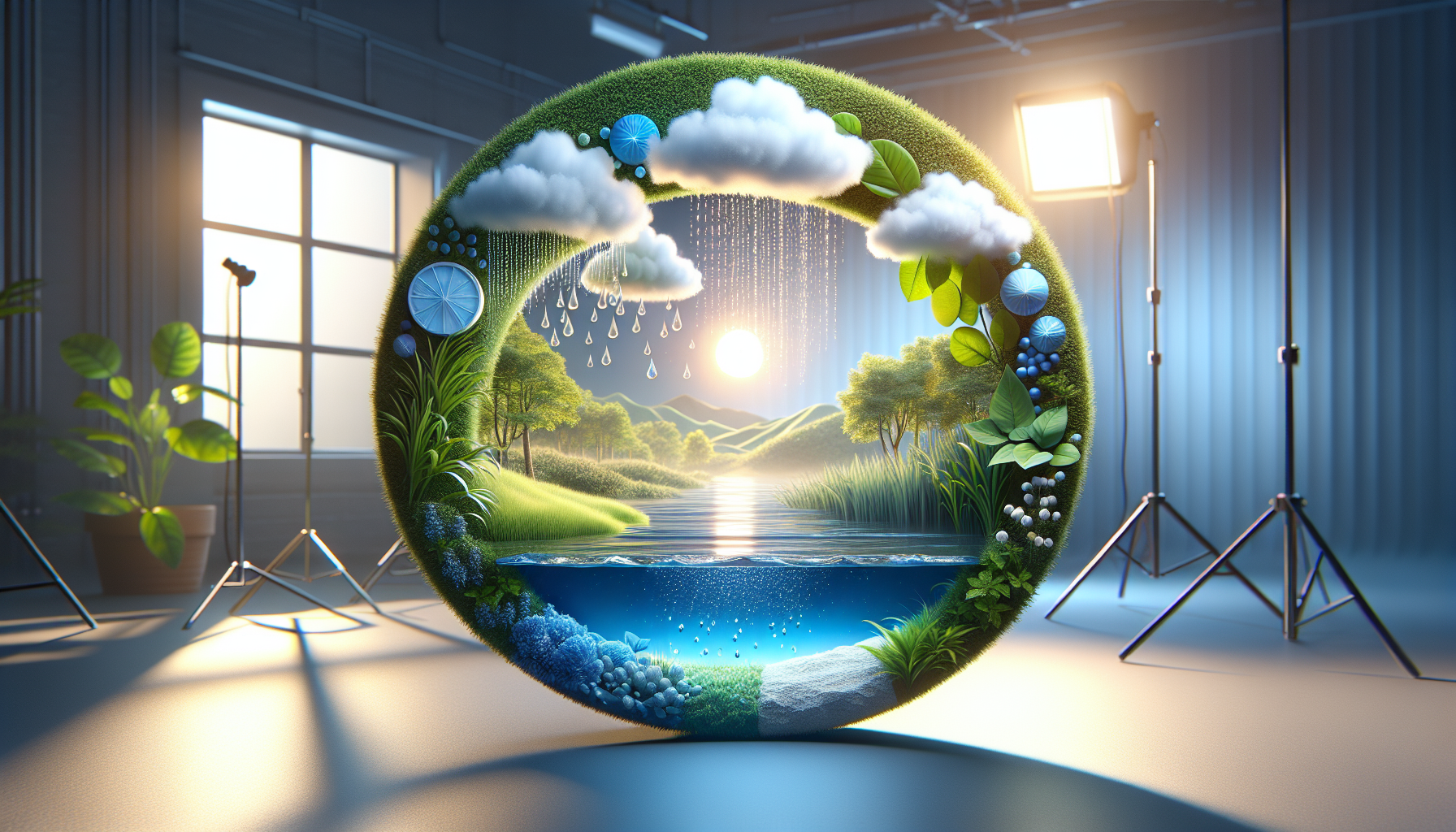
The water cycle, also known as the hydrological cycle, is a continuous process by which water circulates between the Earth's oceans, atmosphere, and land, playing a critical role in supporting life by regulating climate and enabling habitats to flourish.
TL;DR
- Evaporation: Water transforms from liquid to vapor, primarily driven by solar energy.
- Condensation: Water vapor cools and changes back into liquid, forming clouds.
- Precipitation: Water falls from clouds as rain, snow, sleet, or hail depending on atmospheric conditions.
- Collection: Water gathers in bodies like rivers, lakes, and oceans, and some infiltrates the ground to become groundwater.
- Infiltration and Percolation: Water seeps into the soil and moves through the lithosphere, replenishing aquifers.
- Transpiration: Water is absorbed by plants and later released into the atmosphere, completing the cycle.
The Scientific Explanation of the Water Cycle
Evaporation and Transpiration
Evaporation is the process where liquid water is converted to water vapor and rises into the atmosphere due to heat from the sun. This can occur from any water body, including lakes, rivers, and oceans. Transpiration occurs when plants absorb water through roots and then release water vapor through pores in their leaves. Together, these processes are often referred to as "evapotranspiration."
Condensation
As water vapor rises, it cools and condenses into tiny droplets, forming clouds. This process typically occurs when warm air rises, cools, and loses its capacity to hold water vapor. As more vapor condenses into liquid, the droplets merge to become larger, a prerequisite for precipitation.
Precipitation
Precipitation occurs when cloud particles become too heavy to remain airborne and fall to the earth in various forms such as rain, snow, sleet, or hail. The type of precipitation depends on the temperature profile of the atmosphere they pass through.
Collection
Once precipitation falls to the ground, it follows various paths. Some of it flows overland as surface runoff, eventually entering rivers or lakes. Some water infiltrates the soil, replenishing aquifers—underground layers of water-bearing permeable rock or materials.
Infiltration and Percolation
Infiltration is the process by which water on the ground surface enters the soil. Percolation refers to the movement of infiltrated water through soil and rock materials. These processes are essential for recharging aquifers and maintaining the groundwater levels necessary for various terrestrial and aquatic ecosystems.
Transpiration
Transpiration is the process by which water is absorbed by plant roots, moves up through the stem, and is released as vapor through tiny pores in the leaves. This not only helps in the water cycle but also in cooling plants and maintaining nutrient uptake through the roots.
Historical Insights into Understanding the Water Cycle

The understanding of the water cycle has evolved significantly over centuries. Ancient Greek philosophers like Aristotle and Theophrastus hinted at a cyclical process of water on Earth, but their explanations lacked the integration of key processes like evaporation and precipitation. In the 17th century, scientists such as Pierre Perrault, Edme Mariotte, and others began to quantify aspects of the cycle, improving the understanding of precipitation and runoff.
Contributions to Modern Hydrology
The 20th century saw further advancements with the introduction of isotopic techniques and modern meteorological tools that have allowed for a detailed understanding of each component of the water cycle and its interactions with the climate system.
The Importance of the Water Cycle in Nature
The water cycle is crucial for maintaining life on Earth. It is responsible for the distribution and quality of freshwater resources, influencing climate patterns and weather conditions. Through the regulation of the Earth's temperature and the support of diverse ecosystems, the water cycle plays a fundamental role in sustaining life.
Role in Climate Regulation
Water vapor is a significant greenhouse gas, and its regulation via the water cycle influences global temperatures. The cycle's ability to transport heat via ocean currents also plays a critical role in moderating climate.
Supporting Biodiversity
The various stages of the water cycle support habitats ranging from lush rainforests to arid deserts, each hosting unique ecosystems. Aquatic environments particularly rely on the continuous movement of water to sustain life and maintain ecological balance.
Human Impact on the Water Cycle
Human activities such as deforestation, urbanization, and pollution have significant impacts on the water cycle. These changes can alter evaporation rates, reduce groundwater replenishment, and lead to more extreme weather conditions due to disrupted atmospheric water content.
Challenges in Water Management
Effective management of water resources requires understanding and integrating various aspects of the water cycle in policies. This is crucial for sustainable development, especially in regions facing water scarcity.
Conclusion
The water cycle is a complex but orderly system that sustains life on our planet by regulating climate, maintaining habitats, and replenishing fresh water resources. Understanding its components and the impact of human activities on this cycle is crucial for the sustainable management of Earth's water resources. As we continue to face global challenges like climate change, the importance of maintaining the balance of the water cycle cannot be overstated. Efforts toward water conservation, coupled with strategies for reducing human impact, are essential for the health of our planet and future generations.