Exploring the Phases of the Water Cycle
The water cycle, also known as the hydrological cycle, is a fundamental ecological process where water circulates between the Earth's oceans, atmosphere, and land, involving various stages such as evaporation, condensation, precipitation, and collection. This continuous movement plays a critical role in supporting life, influencing climate patterns, and shaping the geological landscape.
TL;DR
- Evaporation: Water transforms from liquid to vapor, primarily driven by solar energy.
- Condensation: Water vapor cools and changes back into liquid, forming clouds.
- Precipitation: Water releases from clouds as rain, snow, sleet, or hail.
- Collection: Water gathers in rivers, lakes, oceans, and infiltrates the ground.
- Transpiration: Water vapor is released from plants and soil into the atmosphere.
- Infiltration and Percolation: Water moves into the soil, replenishing groundwater supplies.
The Science Behind the Water Cycle
Evaporation
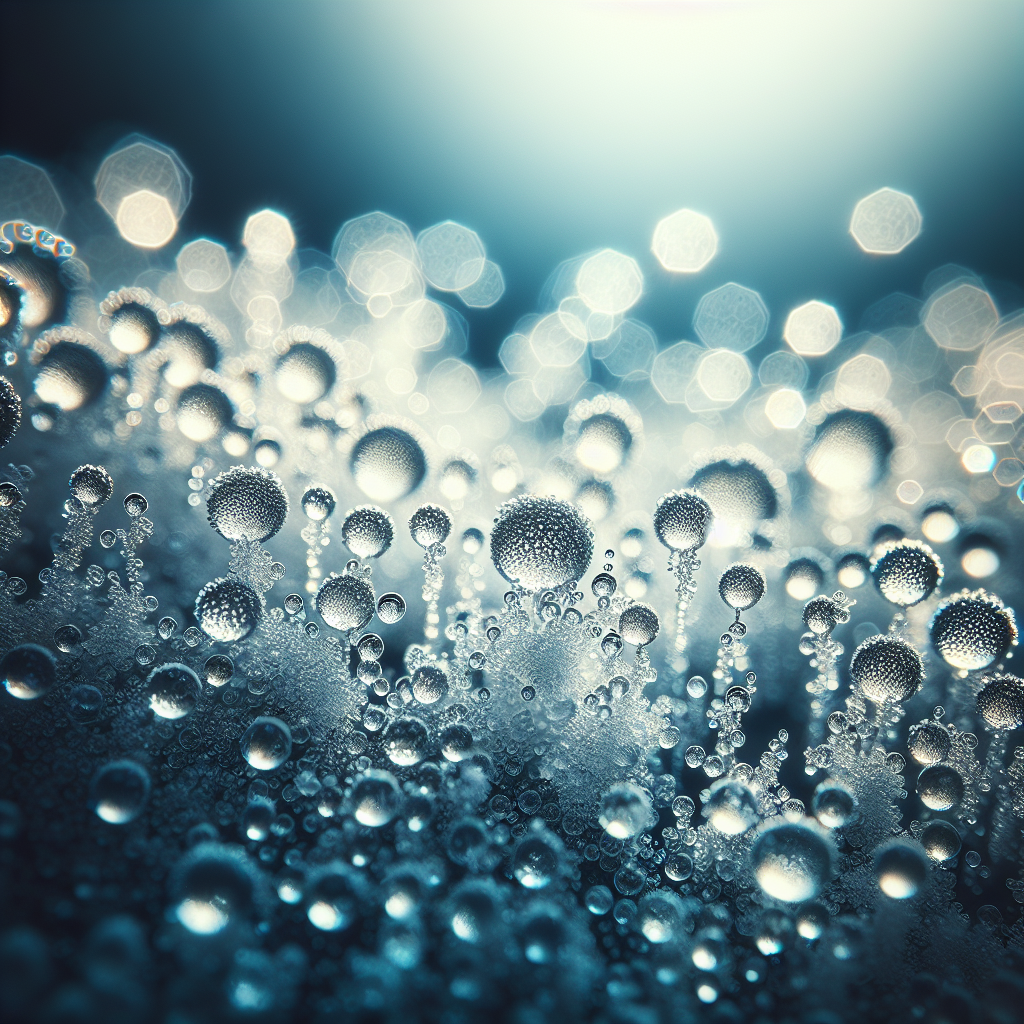
Evaporation is the process by which water changes from a liquid to a vapor. It is primarily driven by the sun’s heat and is more intense in areas with higher temperatures and significant exposure to sunlight. Bodies of water, wet soils, and other moist surfaces are the primary sources of natural evaporation. Additionally, plants contribute through a process known as transpiration, where water absorbed by roots is released into the air from leaves.
Condensation
Condensation occurs when water vapor in the air cools and changes back into liquid form. This is commonly observed as dew on the ground or droplets on the outside of a cold glass. In the atmosphere, this process is critical for cloud formation. The tiny droplets of condensed water in clouds coalesce and grow, eventually leading to precipitation.
Precipitation
Precipitation is the process by which water falls from the atmosphere back to the Earth’s surface. It can take various forms, including rain, snow, sleet, or hail, depending on the atmospheric conditions. Precipitation is a primary mechanism through which the atmosphere purges itself of excess water vapor, and it is crucial for replenishing freshwater resources on the planet.
Collection
Following precipitation, water collects in various reservoirs such as rivers, lakes, and oceans. Some of it infiltrates the soil, contributing to groundwater supplies. The collection phase is vital for water availability for various needs, including agricultural, urban, and ecological systems.
Infiltration and Percolation
Infiltration is the process by which water on the ground surface enters the soil. It can then move vertically and horizontally through the soil and rock layers in a process called percolation. This movement filters the water and replenishes aquifers, which are crucial sources of fresh water.
Historical Understanding of the Water Cycle
The concept of the water cycle has been understood in various forms since ancient times. Early Greek philosophers like Thales and Aristotle speculated about the nature of water and its movement around the Earth. However, it wasn't until the 17th century that scientists such as Pierre Perrault and Edme Mariotte began to understand and quantify aspects like precipitation and runoff, laying the groundwork for the modern scientific understanding of the water cycle.
The Importance of the Water Cycle
The water cycle is crucial for maintaining life on Earth. It is responsible for the distribution and quality of freshwater resources, which affect all ecological and human systems. Moreover, the water cycle plays a significant role in weather and climate systems, influencing patterns of precipitation and temperature globally.
Misconceptions About the Water Cycle
There are several common misconceptions about the water cycle:
- Instantaneous Movement: Some believe that water immediately goes from precipitation back to evaporation, underestimating the time water spends in lakes, rivers, and underground.
- Uniform Distribution: It is often assumed that the water cycle distributes water evenly across the globe, which is not the case, as evidenced by desert regions and rainforests.
- Human Independence: Many underestimate the impact of human activity on the water cycle, such as changes in land use, pollution, and climate change, which can alter evaporation rates, groundwater storage, and precipitation patterns.
Conclusion
The water cycle is a complex but orderly process that maintains Earth’s water supply and supports all forms of life. Understanding its phases helps appreciate how natural systems function and the impact of human activities on these systems. Through careful study and management, we can ensure that this vital cycle continues to sustain life on our planet for generations to come.