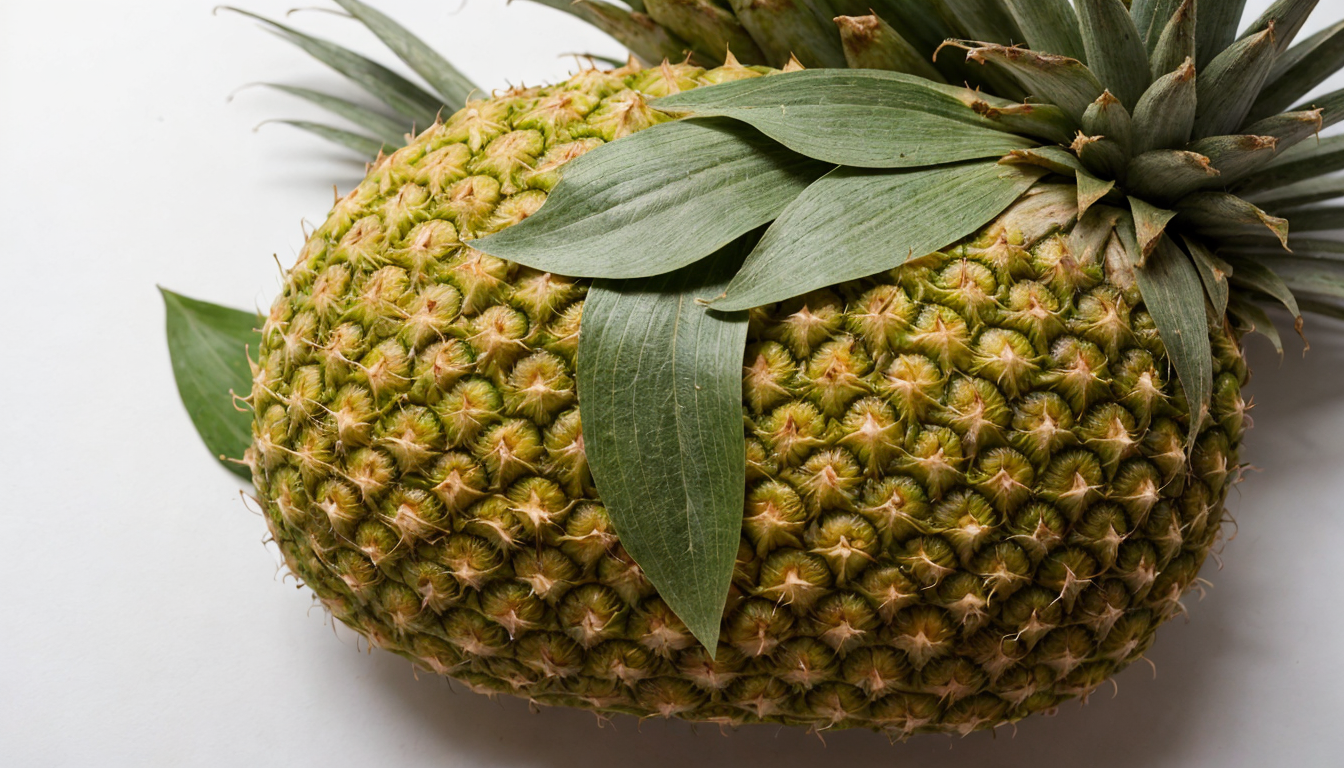
Why Pineapples Are Covered in Spiky Leaves
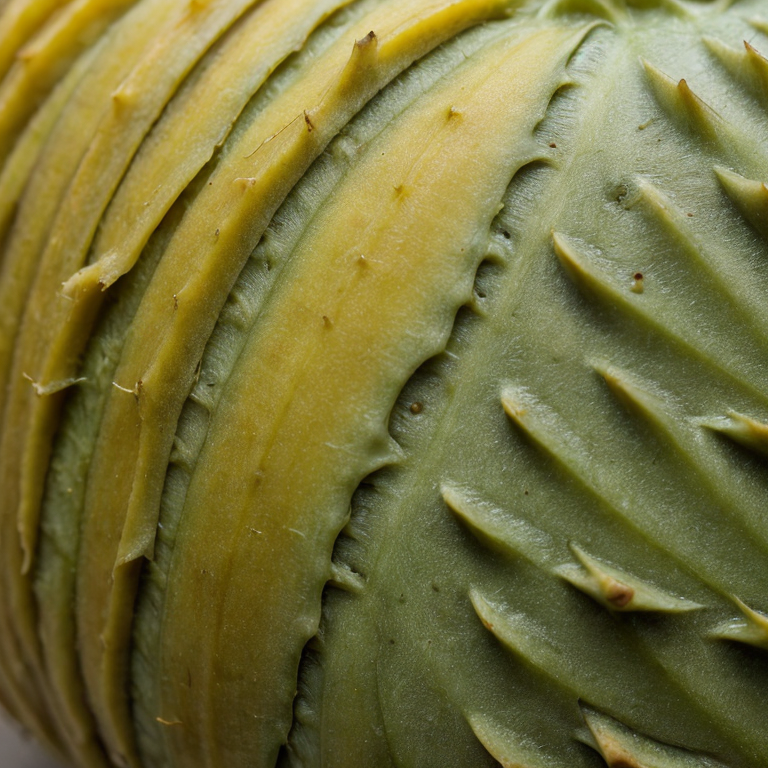
Pineapples are known for their distinctive spiky appearance. The sharp leaves that cover the fruit serve a crucial protective function, acting as a natural defense mechanism against predators and environmental threats.
TL;DR
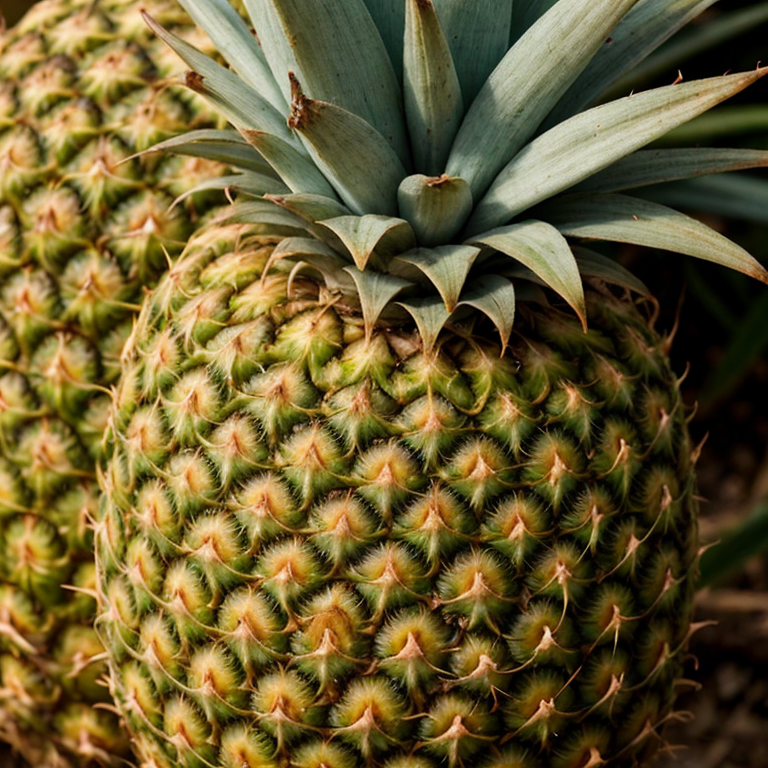
- Protective Role: Pineapple spikes protect the developing fruit from herbivores.
- Evolutionary Advantage: Spikes evolved to ensure the survival of the plant in its native environment.
- Anatomy: The spiky leaves are part of a complex botanical structure that includes the stem and bracts.
- Handling Precaution: People should take care when handling pineapples due to their sharp exterior.
- Cultural Impact: Pineapple spikes have influenced design elements in various cultures.
Understanding the Protective Role of Pineapple Spikes
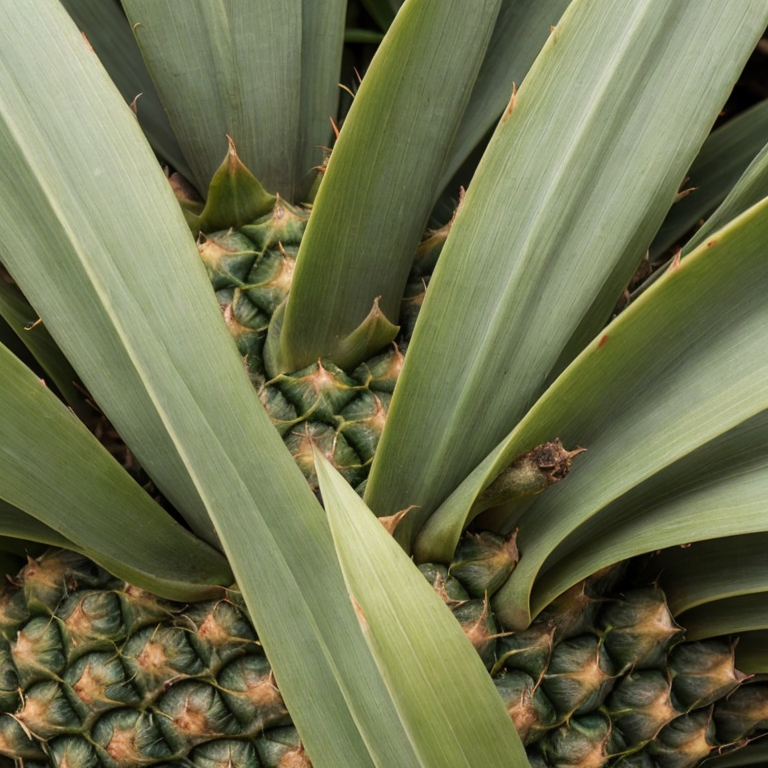
Pineapple plants are covered with spiky leaves that serve as a protective shield for the developing fruit. These leaves, also known as bracts, grow around the stem and provide multiple layers of defense against herbivores such as insects and animals. The spikes deter predators by causing physical discomfort or injury if they attempt to consume the plant.
Evolutionary Adaptation
The presence of spiky leaves in pineapple plants is an evolutionary adaptation that has helped them survive in their native tropical environments for millions of years. Over time, natural selection favored individuals with more robust defensive mechanisms like spines, which allowed these plants to thrive and reproduce successfully despite environmental pressures such as herbivory.
Botanical Structure
The anatomy of a pineapple includes several components that contribute to its overall defense system:
- Bracts: The modified leaves surrounding the fruit stem.
- Spike Zone: A dense layer of spiky bracts at the base of the plant.
- Stem: The central axis from which the fruit grows.
Together, these parts form a protective barrier that shields the developing fruit and ensures its survival until maturity.
Historical Context and Etymology
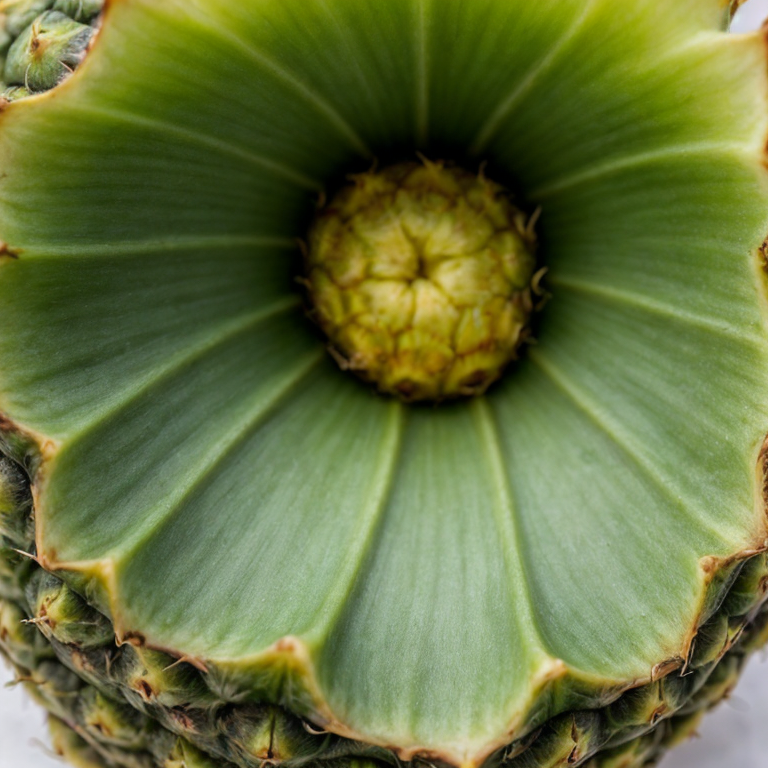
Early Observations by Botanists
Early botanists noted the unique features of pineapple plants during their explorations in South America. They observed how the spiky leaves provided protection from various threats, including insects and larger animals. This observation contributed to early theories about plant defense mechanisms.
Naming Conventions
The term "pineapple" itself is a misnomer derived from its resemblance to pine cones rather than any relationship with pine trees. The name was coined by English explorers who encountered the fruit in tropical regions and noted its conical shape similar to that of pine cones.
Cultural Significance and Misconceptions
Design Influences
Pineapple spikes have inspired various design elements across different cultures, from textiles to architecture. For example, pineapple motifs are commonly used in Hawaiian clothing designs due to the fruit's significance as a symbol of hospitality and welcome.
Safety Precautions When Handling Pineapples
While pineapples offer numerous culinary benefits, their spiky exterior requires caution when handling them. People should wear gloves or use tools like pineapple cutters designed specifically for this purpose to avoid cuts and injuries from the sharp leaves.
Conclusion
In summary, the presence of spikes on pineapple plants serves as a vital protective mechanism against environmental threats. These adaptations have played a significant role in ensuring the survival and propagation of pineapple species over millions of years. Understanding these features provides insight into plant defense strategies and highlights the importance of natural defenses in preserving biodiversity.